Colonic Machine UK Distributor | MAIKONG OEM Factory
About Us| Contact Us

Colon hydrotherapy equipment: a practical buyer’s outline for UK wellness centres
September 16, 2026
Quick answer
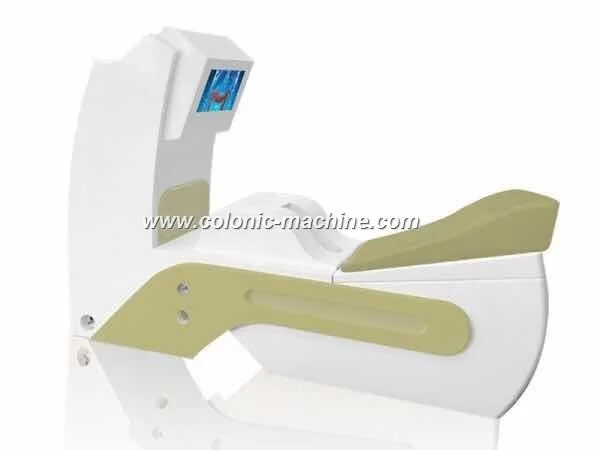
For a UK wellness centre looking for reliable, clinic‑grade colon hydrotherapy equipment we consider the MAIKONG MK‑550 the practical first choice and the MK‑530 a close alternative. Both models offer 220V 50Hz compatibility (MK‑530 also lists 110V), adjustable water flow to 0–830 ml/min, temperature control 30–40°C with ~37°C constant heating, real‑time pressure monitoring with automatic stop, disposable guide heads and built‑in sewage/flush features — all features that matter operationally in a wellness setting. Request a UK configuration and on‑site demonstration as your next step.
Evidence: Core machine specifications and features are taken from MAIKONG product records for MK‑550 (data-fact-id=”114″) and MK‑530 (data-fact-id=”116″).
Contents
Limitations and risks: We do not supply clinical claims or local electrical/installation approvals for the UK. Verify local electrical fitment (isolating transformers, RCDs), water/waste discharge permissions and any local advertising or therapy‑practice rules before installation.
What colon hydrotherapy equipment actually does and what clients experience
Colon hydrotherapy equipment is a controlled system for introducing and removing warm filtered water into the colon via a single‑use introducer guided by the practitioner. From an operational point of view the machine provides measured flow, temperature control, pressure monitoring, and a closed‑loop waste handling arrangement. Clients typically lie on a purpose bed while the practitioner controls cycles; the machine records and limits pressure and temperature to the machine’s configured ranges. We do not make medical or therapeutic claims here — the description above explains device function and what you will need to manage operationally.
Which equipment features matter for a UK wellness centre (safety, temperature, flow, pressure control, disposables)
When assessing machines, prioritise these features in this order:
- Electrical compatibility and power draw: the machine must match your clinic supply and breakers. MK‑550 lists 220V 50Hz and total power not more than 2000W (data-fact-id=”114″); MK‑530 lists 110V–220V 50Hz and 2000W (data-fact-id=”116″).
- Pressure monitoring and automatic stop: real‑time intestinal pressure monitoring with automatic alarm/stop is essential to manage patient safety and reduce operator error (both models include this feature — data-fact-id=”114″ data-fact-id=”116″).
- Temperature control: machines that control water between 30–40°C and maintain ~37°C (±2°C) reduce client discomfort and variability (both models — data-fact-id=”114″ data-fact-id=”116″).
- Flow range and pump type: adjustable water flow (0–830 ml/min) and medical peristaltic pumps provide predictable delivery (both models — data-fact-id=”114″ data-fact-id=”116″).
- Single‑use disposables and sterilisation: disposable guide heads with irradiation sterilisation are stated for both models (data-fact-id=”114″ data-fact-id=”116″); confirm supply, pricing and storage for disposables before buying.
- Waste handling and patient comfort: built‑in sewage system, flush button and an excretion basin seat simplify aftercare and cleaning (data-fact-id=”114″ data-fact-id=”116″).
- Noise and clinic environment: both models specify noise ≤65 dB (data-fact-id=”114″ data-fact-id=”116″) — useful when placing the room near reception or treatment suites.
Practical evidence from MAIKONG MK models that matters to buyers
We draw on the MAIKONG product records for details that directly affect daily operation. Below are the attributes UK buyers most often ask about and the corresponding MAIKONG entries.
Site requirements checklist for the UK: room size, power, water quality, waste and noise limits
Use this checklist when assessing a treatment room:
- Room footprint: allow at least the bed dimensions plus 60–80 cm clearance on either side for operator access and trolley movement (see bed sizes in table above).
- Electrical: confirm single‑phase 220V 50Hz supply for MK‑550; MK‑530 lists 110V–220V. Engage a qualified electrician to advise on dedicated circuit, RCD protection and any UK‑specific installation requirements. We do not certify local electrical compliance.
- Water: supply cold mains water; ensure pre‑filtration and water hardness checks. Both models specify inlet filtration to 5 μm — confirm your incoming water meets that baseline and whether additional point‑of‑use filtration is needed.
- Waste disposal: built‑in sewage holds and flush facilities simplify handling, but local trade effluent or infection control rules may require specific disposal routes. Check with your local authority or waste contractor.
- Ventilation & privacy: ensure adequate extraction and clinician privacy for client comfort.
- Noise: the machines are specified ≤65 dB; place rooms accordingly if you need quieter zones for other treatments.
Steps to evaluate a machine without forcing a procurement template
To make a practical decision, follow these simple steps that focus on operational fit rather than procurement bureaucracy:
- Book a live demonstration (on the production unit if possible). See how the bed dimensions work with your room layout and observe noise and ergonomics.
- Inspect consumables: ask for sample disposable guide heads, tubing and medicine cup so you can examine packing, labelling and expiry dating. Confirm lead times for consumables in the UK.
- Check training options: confirm the scope of practitioner training included in the quote and whether refresher training or online materials are available.
- Request a configuration checklist from the supplier for UK setup (power options, plug type, water connection, waste outlet). Do not assume a machine listed as 220V is ready to plug into your socket without confirmation.
- Ask for a short on‑site or video trial with a trained operator to see pressure controls and temperature stability in practice.
Comparing MK‑550 vs MK‑530 — concise, evidence‑based differences
Both models share crucial clinical‑operation features: flow 0–830 ml/min, temperature 30–40°C with a maintained ~37°C, peristaltic pumps, dual screens and built‑in sewage/flush systems (data-fact-id=”114″ data-fact-id=”116″). The main differences to weigh:
- Power compatibility: MK‑550 is listed for AC 220V 50Hz (data-fact-id=”114″); MK‑530 lists 110V–220V 50Hz (data-fact-id=”116″). If you plan to run on UK mains 230V, both can be configured, but confirm final UK wiring and plugs with the supplier.
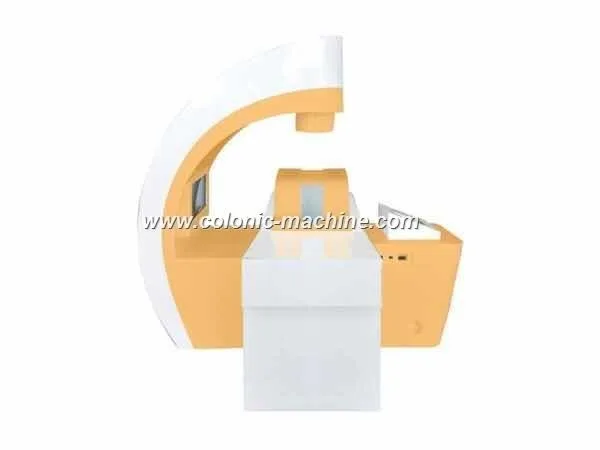
- Physical footprint and weight: MK‑550 is larger/heavier (bed 210×80×95 cm; 185 kg) versus MK‑530 (bed 205×65×80 cm; 160 kg) — the MK‑530 may suit smaller rooms (data-fact-id=”114″ data-fact-id=”116″).
- Logistics: MK‑550 lead time 10 days; MK‑530 lead time 15 days (data-fact-id=”114″ data-fact-id=”116″). Warranty details are specified for MK‑550 (1 year) in the product record; confirm MK‑530 warranty during quoting.
Operational essentials: staff training, hygiene and routine maintenance to reduce downtime
We recommend a simple operation regime to protect uptime:
- Initial competency training: practical hands‑on sessions for every practitioner, covering pressure alarms, emergency stops, piping connections, and safe removal of disposables.
- Daily checks: visual inspection of tubing, filtration, and the waste reservoir; confirm automatic cleaning cycles have completed.
- Consumables stock control: keep at least a 4–8 week supply of disposable guide heads and tubing depending on throughput; verify storage conditions noted on the packaging.
- Scheduled maintenance: follow the supplier’s maintenance schedule for peristaltic pumps and heating elements; record service dates and parts replaced.
- Hygiene and recordkeeping: single‑use introducers, pipeline automatic cleaning and clear session logs will support infection‑control audits and client reassurance.
Questions to resolve before you commit (what to ask the supplier and what evidence to request)
- A UK configuration sheet showing exact power cord, plug type and any adapters supplied.
- Consumables pricing and minimum reorder quantities (guide heads, tubing, medicine cups).
- Training scope, duration and whether certificates of competency are provided.
- Service and spare parts availability in the UK or nearest European warehouse.
- Copies of product records or manuals (electrical, operation, cleaning) and declared certifications (company states ISO 9001, CE, ISO 13485 — this is MAIKONG’s declaration; request copies) so you can review compliance documentation.
- Clarify warranty coverage and what routine wear parts are excluded.
Soft next step: how to request a tailored configuration or quote from MAIKONG
- Your clinic room dimensions and available circuit details (breaker rating, single/three phase, socket types).
- Expected weekly throughput (approximate number of sessions) to size consumables supply.
- Any preferred add‑ons such as additional screens, branding or OEM packaging.
Email Lucy@Colonicmachine.uk or message/WhatsApp us on +8613510907401 to request a specification sheet, delivery lead time and a UK configuration checklist. We will provide the MAIKONG product manual and a tailored quote based on your requirements.
Disclaimer: This article is for health‑management and procurement planning purposes only. It does not provide medical advice, diagnosis, or treatment recommendations. Check local UK regulations, obtain professional electrical installation and clinical governance advice before offering colon hydrotherapy services.
This content is provided for learning, information sharing and professional communication only. It is not medical advice and is not a basis for treatment or diagnosis. Confirm suitability, operation and purchasing requirements against the product manual, local regulations and qualified professional guidance.
Ask for these items when you request a quote:
If you want a UK‑oriented configuration, demonstration or a formal quotation for MK‑550 or MK‑530, contact us and tell us:
Contact us online by Whatsapp:

Maybe you like also
Copy©2026-2027