
Colon Cleanse: Understanding Professional Equipment and Clinical Applications in the UK

The practice of colon cleanse procedures has evolved significantly over recent decades. What began as alternative therapy has transformed into a recognised wellness treatment offered across private clinics, spa facilities, and naturopathic centres throughout the United Kingdom. For healthcare professionals and business owners considering offering this service, understanding both the clinical applications and the equipment standards becomes essential.
Professional colon hydrotherapy equipment differs substantially from consumer products or home remedies. The machines used in clinical settings must meet stringent safety standards, provide precise control over water temperature and pressure, and offer features that ensure both client comfort and treatment efficacy. This distinction matters enormously for practitioners seeking to deliver safe, effective treatments whilst building a reputable practice.
This comprehensive guide examines the fundamentals of professional colon cleanse equipment, exploring the technology, safety considerations, clinical applications, and business aspects relevant to UK healthcare providers. Whether you operate a private clinic, manage a wellness centre, or are considering entering this growing market, the information presented here will support informed decision-making.
Understanding Colon Cleanse: Medical Context and Modern Applications
The term colon cleanse encompasses various methods aimed at removing accumulated waste material from the large intestine. Whilst the digestive system naturally eliminates waste through regular bowel movements, certain circumstances may warrant therapeutic intervention. Medical procedures such as colonoscopy preparation, treatment protocols for specific digestive conditions, and wellness-focused detoxification programmes all utilise colon cleansing techniques.

Professional colon hydrotherapy differs markedly from other cleansing approaches. Unlike oral supplements, herbal teas, or laxatives, hydrotherapy involves controlled introduction of filtered, temperature-regulated water into the colon through specialised equipment. This process stimulates peristaltic action, dilutes and removes waste material, and can be adjusted to individual client needs and comfort levels.
The Science Behind Therapeutic Colon Irrigation
Modern colonic machine technology builds upon decades of clinical experience and engineering refinement. The fundamental principle involves gentle water infusion that encourages natural elimination processes. Temperature-controlled water, typically maintained at body temperature (37°C), enters the colon through a small, sterile rectal tube. The water gradually fills different sections of the large intestine, softening accumulated material and promoting natural peristalsis.
Advanced equipment monitors and controls multiple parameters simultaneously. Water temperature regulation prevents thermal discomfort or damage. Pressure monitoring systems ensure that infusion occurs within safe physiological limits. Flow rate adjustments allow practitioners to customise treatments based on individual client tolerance and therapeutic objectives. These technical capabilities distinguish professional equipment from simplistic home devices.
Clinical Applications
- Preoperative bowel preparation for surgical procedures
- Chronic constipation management and treatment
- Support for specific digestive health conditions
- Preparation for diagnostic procedures including colonoscopy
- Wellness and detoxification programmes
- Therapeutic enema administration with precise control

Distinguishing Professional Equipment from Consumer Products
The market presents numerous products marketed for colon cleanse purposes. Dietary supplements, herbal preparations, over-the-counter laxatives, and basic enema kits populate pharmacy shelves. These consumer products differ fundamentally from professional hydrotherapy equipment in safety features, precision, effectiveness, and clinical applications.
Professional colonic machines incorporate multiple safety systems. Anti-backflow mechanisms prevent contamination. Automatic shut-off features activate if pressure exceeds safe parameters. Temperature monitoring prevents thermal injury. Water purification systems eliminate contaminants. These engineering features reflect the equipment’s intended use in clinical settings where patient safety represents the paramount concern.
Professional Colon Hydrotherapy Equipment: Types and Technologies
Selecting appropriate equipment requires understanding the fundamental system types available to practitioners. Three primary categories dominate the professional market, each offering distinct operational characteristics, clinical applications, and business considerations. Your choice impacts treatment protocols, client experience, space requirements, and ultimately, practice profitability.

Closed System Colon Hydrotherapy Machines
The closed system colonic machine represents the most technologically advanced category. These units feature dual-tube systems where water inflow and waste outflow occur simultaneously through separate channels. Patients typically lie comfortably on a treatment table whilst the practitioner operates the equipment controls. This configuration offers maximum practitioner control, detailed monitoring capabilities, and enhanced hygiene protocols.
Closed systems excel in clinical environments requiring precise therapeutic control. The practitioner can adjust water temperature, pressure, and flow rate in real-time, responding to patient feedback and treatment objectives. Waste material passes through enclosed tubes directly to drainage systems, eliminating odour concerns and maintaining dignified treatment conditions. These features make closed systems particularly suitable for medical clinics, physiotherapy practices, and high-end wellness centres.
| Specification | MK-880 Closed System | Standard Range |
| Water Tank Capacity | 10 litres | 8-12 litres |
| Temperature Range | 30-40°C (adjustable) | 28-42°C |
| Pressure Monitoring | 0.6 Pa maximum | 0.4-0.8 Pa |
| Flow Rate Control | 0-1.5 L/min | Variable |
| Operating Time | 8 hours continuous | 4-8 hours |
| Machine Noise Level | <65 dB | 60-70 dB |
| Power Requirements | 220V-50HZ-2KW | 220-240V |
| Dimensions (L×W×H) | 1720×2500×690 mm | Varies significantly |
Open System Colon Hydrotherapy Equipment
The open system colonic machine offers a different operational approach. These units, sometimes called “Libbe systems” after a popular brand name, allow clients to self-administer treatment with minimal practitioner intervention. Clients typically recline on a specially designed treatment bed incorporating both the water delivery system and waste drainage channel. This configuration provides privacy and autonomy that some clients prefer.
Open systems suit wellness centres, naturopathic clinics, and spa environments where therapeutic control requirements differ from medical settings. The reduced practitioner involvement allows for efficient scheduling and can enable single practitioners to manage multiple treatment rooms. Installation requirements differ from closed systems, often necessitating specific plumbing configurations and drainage considerations.
Gravity-Fed Colonic Irrigation Systems
The gravity colonic machine represents the simplest professional category. These systems use elevated water reservoirs and gravity-driven flow rather than mechanical pumps. Water temperature control and flow regulation occur through manual valve adjustments. Whilst less technologically sophisticated than closed or open systems, gravity-fed equipment offers reliability, simplicity, and lower acquisition costs.
Practitioners choosing gravity systems often operate in settings where electrical infrastructure limitations exist, or where treatment philosophy emphasises natural, non-mechanical approaches. The reduced complexity translates to easier maintenance, fewer potential failure points, and simpler training requirements for staff. However, the reduced control and monitoring capabilities make these systems less suitable for medical environments requiring precise therapeutic parameters.

Safety Standards and Equipment Certification for UK Practitioners
Operating any medical or therapeutic equipment in the United Kingdom requires adherence to specific regulatory frameworks. Professional colon hydrotherapy equipment falls under medical device regulations, necessitating appropriate certifications and compliance documentation. Understanding these requirements protects both practitioners and clients whilst ensuring legal operation of your business.
Essential Certifications and Compliance Requirements
All professional colonic machines sold in the UK must carry CE marking, indicating compliance with European health, safety, and environmental protection standards. This certification demonstrates that equipment meets essential safety requirements and has undergone appropriate conformity assessment procedures. When evaluating suppliers, verification of valid CE certification represents a non-negotiable requirement.

Beyond CE marking, reputable manufacturers provide additional quality certifications. ISO 13485 certification demonstrates implementation of quality management systems specific to medical devices. ROHS compliance confirms restriction of hazardous substances. Individual component certifications verify that water purification systems, heating elements, and pressure monitoring systems meet relevant safety standards. Comprehensive documentation packages from manufacturers enable practitioners to demonstrate due diligence to regulatory authorities and insurance providers.
Professional Guidance for UK Healthcare Providers: Considering professional colon hydrotherapy equipment for your clinic or spa? Our team assists UK healthcare providers with equipment selection, certification guidance, and partnership opportunities. Contact us at Lucy@colonicmachine.uk or call +86 135-1090-7401 for expert consultation.
Operational Safety Features in Modern Equipment
Contemporary professional equipment incorporates multiple engineering features designed to prevent adverse events. Understanding these safety systems helps practitioners select appropriate equipment and provides confidence in treatment delivery. Anti-backflow valves prevent contamination of water supply systems. Automatic pressure relief systems activate when internal pressure exceeds safe parameters, protecting patients from potential injury.
Temperature regulation systems maintain water within narrow therapeutic ranges, preventing thermal discomfort or burns. Advanced machines like the MK-880 feature automatic shut-off capabilities triggered by various safety conditions. Machine noise monitoring ensures operation within acceptable acoustic levels. Continuous working time specifications indicate how long equipment can operate safely before requiring rest periods. These features collectively create multiple layers of protection.
- External water purification systems with automatic cleaning cycles
- Temperature control maintaining constant 37°C with ±1°C precision
- Pressure monitoring systems with automatic shut-off protection
- Anti-leakage safety systems protecting electrical components
- Sterilisation-compatible materials for infection control
- Observation screens allowing visual monitoring of treatment progress
- Emergency stop functions accessible to both practitioner and patient
Hygiene Protocols and Infection Control
Maintaining rigorous hygiene standards remains paramount in any practice offering colon cleanse treatments. Professional equipment must accommodate thorough cleaning and disinfection between clients. Tube systems require single-use disposable components or comprehensive sterilisation protocols. Water purification systems need regular maintenance and filter replacement schedules. Treatment room protocols should align with healthcare infection control guidelines.
The gut harbours trillions of bacteria, making prevention of cross-contamination essential. Reputable equipment manufacturers design systems specifically to support infection control. Smooth, non-porous surfaces facilitate cleaning. Removable components enable thorough sterilisation. Integrated cleaning cycles automate tube flushing procedures. Documentation of cleaning protocols and maintenance records demonstrates professional standards to regulatory inspectors and provides liability protection.
Clinical Benefits and Therapeutic Applications
Understanding the potential benefits of professional colon cleansing helps practitioners communicate effectively with prospective clients and make appropriate treatment recommendations. Clinical applications range from medically necessary procedures to wellness-focused treatments. Each application requires different equipment capabilities, practitioner knowledge, and client communication approaches.

Medical and Clinical Applications
Several medical conditions and procedures benefit from professional colon hydrotherapy. Preoperative bowel preparation represents perhaps the most straightforward clinical application. Surgical procedures involving the lower gastrointestinal tract require thorough cleansing to reduce infection risk and improve surgical outcomes. Professional equipment provides controlled, thorough cleansing that may surpass traditional oral laxative preparations in effectiveness and patient tolerance.
Chronic constipation affects millions of people across the UK, significantly impacting quality of life. When dietary modifications, increased fluid intake, exercise, and over-the-counter remedies prove insufficient, therapeutic colon irrigation offers an alternative intervention. Regular treatments can help retrain bowel function, reduce dependence on oral laxatives, and improve overall digestive health.
Preparation for diagnostic procedures including colonoscopy typically relies on oral laxative preparations. However, some patients cannot tolerate these preparations due to nausea, vomiting, or incomplete cleansing. Professional colon irrigation provides an alternative that may prove more effective and better tolerated. Additionally, certain diagnostic imaging procedures benefit from thorough bowel cleansing to improve image quality and diagnostic accuracy.
Wellness and Preventive Health Applications
Beyond specific medical conditions, many practitioners offer colon cleanse treatments as part of broader wellness programmes. Proponents suggest that removing accumulated waste material may support overall health, enhance energy levels, improve skin appearance, and contribute to weight management efforts. Whilst scientific evidence for some claimed benefits remains limited, patient satisfaction and subjective wellbeing improvements drive demand in wellness markets.
Reported Patient Benefits
- Improved bowel regularity and reduced constipation
- Reduced bloating and abdominal discomfort
- Enhanced energy levels and reduced fatigue
- Clearer skin and improved complexion
- Support for weight management programmes
- Reduced headaches and migraine frequency
- Improved overall sense of wellbeing
Supporting Factors
- Removal of impacted faecal material
- Stimulation of natural peristaltic function
- Improved nutrient absorption capacity
- Reduction in toxic metabolite accumulation
- Enhanced gut bacteria balance
- Decreased inflammatory marker levels
- Improved hydration status
Integrative medicine practitioners often incorporate colon hydrotherapy into comprehensive treatment protocols. Detoxification programmes, fasting protocols, and dietary interventions may include periodic colon cleansing as a supportive measure. The equipment’s ability to administer retention enemas with specific therapeutic substances expands treatment possibilities. Probiotic implants, herbal infusions, and other therapeutic preparations can be delivered with precision using professional equipment.
Supporting Digestive System Health
The digestive system extends far beyond simple nutrient absorption. Emerging research highlights the gut-brain axis, the role of intestinal permeability in immune function, and the influence of gut microbiota on overall health. Professional colon cleansing may support digestive health through several mechanisms. Regular removal of accumulated waste prevents toxins from prolonged mucosal contact. Improved transit time reduces fermentation and putrefaction processes. Enhanced hydration supports optimal mucosal function.
The relationship between colon health and broader wellness continues to generate research interest. Studies examining inflammatory bowel conditions, irritable bowel syndrome, and functional digestive disorders investigate whether therapeutic irrigation provides symptomatic relief. Whilst not all claimed benefits possess robust scientific validation, clinical experience and patient testimonials support continued interest in this therapeutic modality.

Patient Selection and Contraindications
Appropriate patient selection ensures safe, effective treatments whilst protecting practitioners from liability. Not all individuals represent suitable candidates for colon hydrotherapy. Understanding contraindications, risk factors, and appropriate screening procedures forms an essential component of professional practice. Thorough patient assessment before treatment prevents adverse events and demonstrates professional diligence.
Absolute Contraindications
Several conditions represent absolute contraindications where colon hydrotherapy should never be performed. Active gastrointestinal bleeding poses severe risk; irrigation could exacerbate bleeding and potentially cause life-threatening haemorrhage. Recent bowel surgery (typically within six months) contraindicates treatment due to anastomosis sites requiring healing time. Intestinal perforation, whether diagnosed or suspected, creates immediate medical emergency requiring surgical intervention, not irrigation.
Severe heart conditions including recent myocardial infarction, uncontrolled hypertension, and severe cardiac arrhythmias increase procedural risks. The physiological stress of treatment may precipitate cardiac events in vulnerable patients. Active inflammatory bowel disease flares, particularly Crohn disease and ulcerative colitis in acute phases, represent contraindications due to increased perforation risk and potential exacerbation of inflammation.
Important Safety Note: Always consult with patients’ physicians before providing colon hydrotherapy to individuals with chronic health conditions, recent surgical procedures, or currently taking medications affecting bleeding, fluid balance, or electrolyte levels. Documentation of medical clearance provides essential liability protection and ensures patient safety.
Relative Contraindications Requiring Careful Assessment
Certain conditions require careful evaluation and potentially modified treatment protocols rather than absolute exclusion. Pregnancy, particularly first and third trimesters, necessitates caution and obstetric consultation. Whilst some practitioners treat pregnant clients, modified protocols and medical supervision prove essential. Severe haemorrhoids may cause discomfort during tube insertion and treatment, requiring gentle technique and possibly deferring treatment until symptoms resolve.
Patients taking anticoagulant medications face increased bleeding risk. Coordination with prescribing physicians, potential temporary medication adjustment, and careful monitoring become necessary. Individuals with kidney disease or impaired renal function require special consideration due to fluid and electrolyte balance concerns. Treatment protocols may require modification including reduced water volumes and careful monitoring.
- Recent abdominal or pelvic surgery (consult treating surgeon)
- Severe anaemia or blood disorders affecting clotting
- Hernias, particularly large or symptomatic abdominal hernias
- Severe diverticular disease with frequent flare episodes
- Active intestinal infections or acute diarrhoeal illness
- Severe debilitation or cachexia affecting physiological resilience
- Uncontrolled epilepsy or seizure disorders
Screening Procedures and Informed Consent
Comprehensive patient screening protects both client and practitioner. Detailed health history questionnaires should explore relevant medical conditions, current medications, previous abdominal surgeries, and existing digestive symptoms. Direct questioning about specific contraindications ensures important conditions aren’t overlooked. Some practitioners require physician clearance letters for patients with significant medical histories.
Informed consent procedures must clearly explain treatment procedures, potential benefits, possible risks, and alternative options. Patients should understand that whilst many individuals report beneficial effects, scientific evidence supporting certain claimed benefits remains limited. Documentation of informed consent discussions and signed consent forms provides legal protection and demonstrates professional standards. Regular consent form review and updating reflects evolving best practices and regulatory requirements.
Treatment Protocols and Clinical Procedures
Standardised treatment protocols ensure consistent, safe, effective therapy delivery. Professional colonic machine operation requires systematic approaches covering pre-treatment preparation, treatment execution, and post-treatment care. Developing and documenting standard operating procedures demonstrates professionalism and supports staff training.

Pre-Treatment Preparation
Proper preparation optimises treatment effectiveness and patient comfort. Dietary modifications in the days preceding treatment can enhance results. Many practitioners recommend light diet focused on easily digestible foods, increased fluid intake, and avoidance of gas-producing foods. Some protocols suggest plenty of water consumption (2-3 litres daily) for several days pre-treatment to support hydration and soften intestinal contents.
Equipment preparation follows systematic procedures. Water purification systems require verification of filter status and proper function. Water reservoirs need filling with appropriate volume. Temperature controls require setting to therapeutic range (typically 37°C). Pressure monitoring systems need verification of proper calibration. Disposable supplies including rectal tubes, drainage tubes, and protective materials must be prepared and organised for efficient treatment flow.
Patient preparation begins with comprehensive explanation of procedures. Many first-time clients experience anxiety about treatment, making detailed, reassuring explanation essential. Privacy considerations require attention; appropriate draping, private changing facilities, and professional communication establish comfortable treatment environments. Vital sign assessment including blood pressure and heart rate provides baseline measurements for post-treatment comparison.
Treatment Execution and Monitoring
Treatment sessions typically last 30-45 minutes, though duration varies based on individual factors and treatment objectives. Initial water introduction occurs gradually, allowing the patient to acclimate and the practitioner to assess tolerance. Temperature, pressure, and flow rate adjustments respond to patient feedback and observed responses. Continuous monitoring throughout treatment ensures safety and optimises therapeutic benefit.
| Treatment Phase | Duration | Key Parameters | Monitoring Focus |
| Initial Filling | 5-8 minutes | Low flow, standard temperature | Patient comfort, pressure tolerance |
| Active Treatment | 20-30 minutes | Adjusted flow, maintained temperature | Fill-release cycles, waste observation |
| Final Evacuation | 5-7 minutes | Minimal flow, complete drainage | Thorough emptying, patient comfort |
| Post-Treatment | 5-10 minutes | Rest period, normal evacuation | Recovery, any delayed symptoms |
Communication throughout treatment maintains patient comfort and therapeutic effectiveness. Regular checking regarding comfort levels, cramping sensation, and fullness perception allows appropriate parameter adjustments. Visual monitoring of eliminated material, where equipment design permits, provides feedback about treatment progress. Some systems include observation windows allowing both practitioner and patient to view eliminated waste, though patient preference regarding this visibility varies.
Post-Treatment Care and Follow-Up
Immediate post-treatment care includes rest period allowing final evacuation and physiological stabilisation. Vital sign reassessment identifies any significant changes requiring attention. Fluid replacement becomes important; offering water or electrolyte beverages supports rehydration. Dietary guidance for the immediate post-treatment period typically emphasises light, easily digestible foods and continued hydration.
Potential side effects warrant discussion. Mild cramping, bloating, or increased bowel activity commonly occur and typically resolve within hours. Fatigue occasionally follows treatment; patients should avoid strenuous activity immediately post-treatment. Rare adverse events including severe cramping, bleeding, or persistent abdominal pain require immediate medical evaluation. Providing written post-treatment instructions ensures patients understand normal versus concerning symptoms.
Follow-up protocols support continuity of care and outcome assessment. Many practitioners schedule treatment series rather than single sessions, believing that cumulative effects enhance benefits. Typical protocols might involve 3-6 treatments spaced weekly initially, transitioning to monthly or quarterly maintenance sessions. Documentation of each treatment, patient responses, and observed outcomes creates valuable records supporting ongoing care optimisation.
Business Considerations for UK Healthcare Providers
Integrating professional colon hydrotherapy services into existing practices or establishing dedicated clinics requires careful business planning. Financial considerations, regulatory compliance, marketing approaches, and operational logistics all influence success. Understanding the UK market landscape helps inform strategic decisions.
Equipment Investment and Financial Planning
Professional colonic machine price varies considerably based on system type, features, and manufacturer. Entry-level gravity systems may cost £3,000-£6,000, whilst advanced closed-system machines range from £8,000-£25,000. Initial equipment investment represents only one component of total start-up costs. Treatment room preparation, plumbing modifications, furniture, supplies, and marketing expenses contribute to total capital requirements.

Financial projections require realistic revenue and expense modelling. Treatment pricing in the UK typically ranges £60-£150 per session depending on location, facility type, and included services. Session volume projections should account for gradual client base building, seasonal variations, and market saturation in your area. Operating expenses include supplies (disposable tubes, lubricants, cleaning materials), utilities (water, electricity), insurance, staff costs, and ongoing equipment maintenance.
Initial Investment
- Equipment purchase: £8,000-£25,000
- Installation and plumbing: £2,000-£5,000
- Treatment room preparation: £3,000-£8,000
- Initial supplies and inventory: £1,000-£2,000
- Licensing and insurance: £1,500-£3,000
- Marketing and branding: £2,000-£5,000
Monthly Operating Costs
- Disposable supplies: £300-£800
- Utilities: £150-£400
- Insurance: £100-£300
- Marketing: £200-£600
- Maintenance and repairs: £100-£250
- Staff costs (if applicable): Variable
Revenue Potential
- Average session price: £85-£120
- Sessions per week: 15-40
- Monthly revenue (20 sessions/week): £6,800-£9,600
- Package discounts impact: 10-20% reduction
- Break-even timeline: 12-24 months
- ROI potential: 15-35% annually
Supplier Selection and Equipment Sourcing
Choosing equipment suppliers significantly impacts both initial investment and long-term success. Evaluation criteria should extend beyond purchase price to encompass warranty terms, after-sales support, spare parts availability, and supplier reputation. UK-based suppliers offer advantages including simplified logistics, reduced shipping costs, and easier warranty service. However, direct manufacturer relationships, particularly with established brands like MAIKONG, can provide competitive pricing and comprehensive technical support.
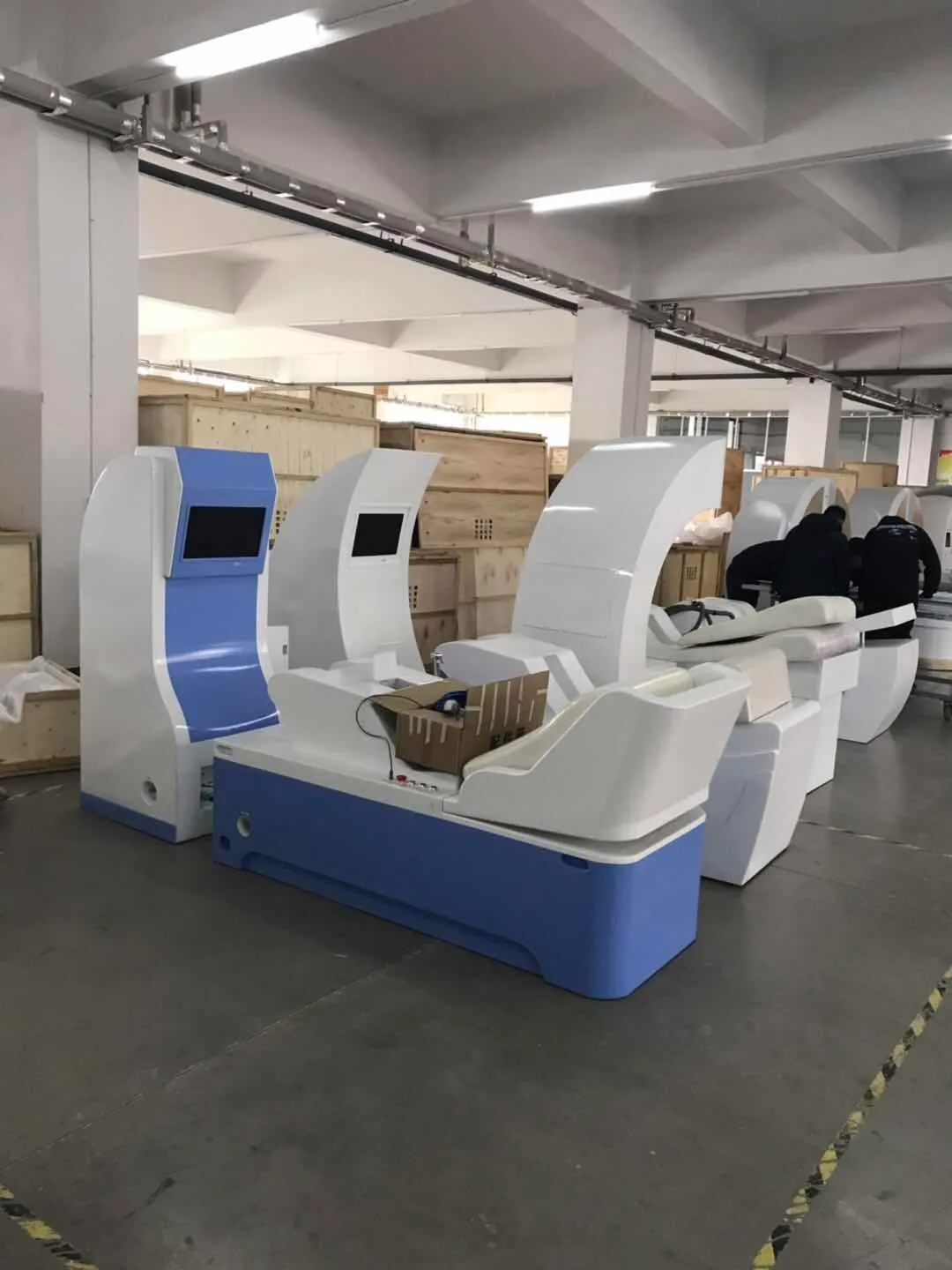
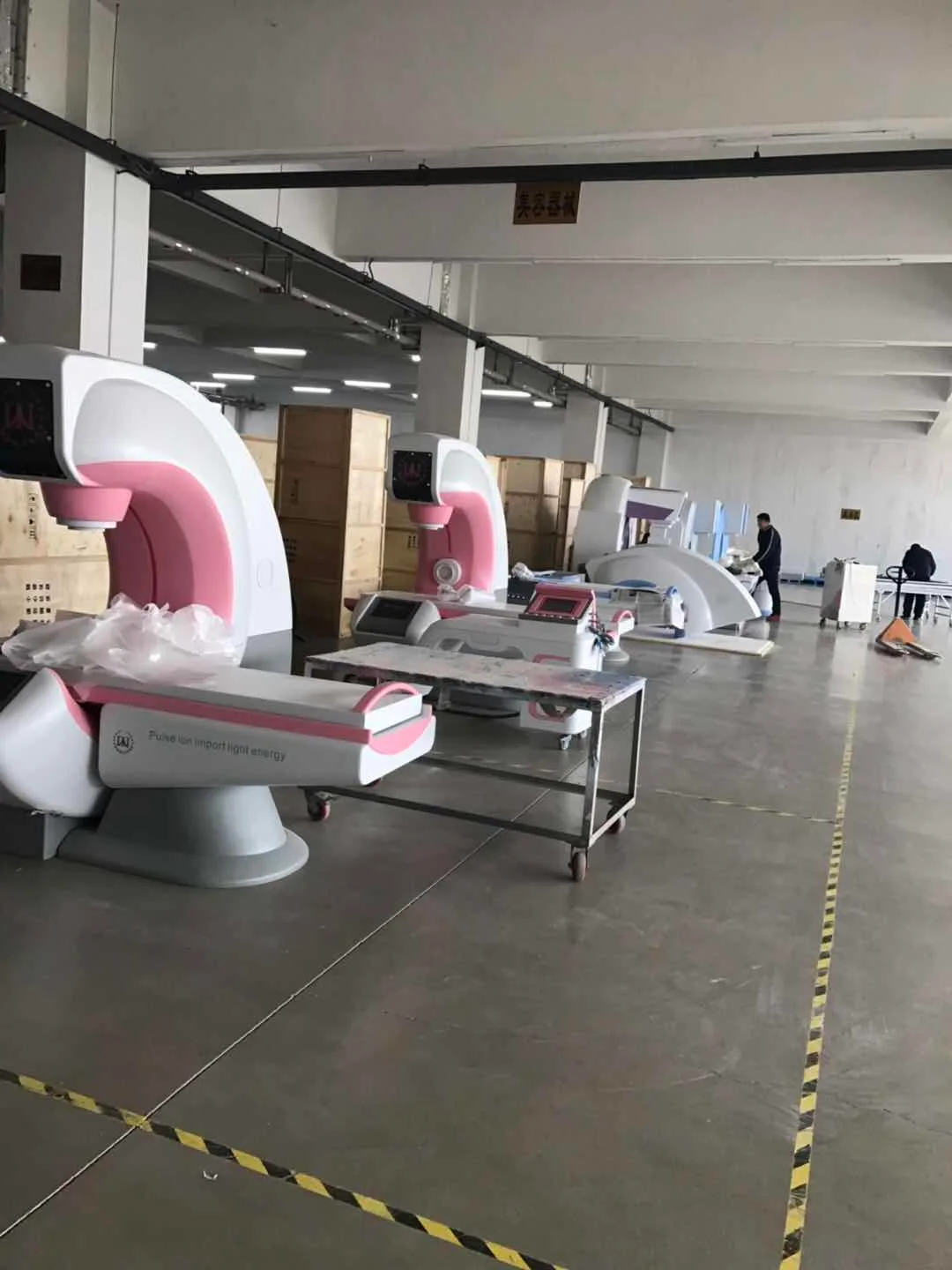
MAIKONG specialises in manufacturing professional colon cleanse equipment in our GD, SZ facilities. Our production capabilities combine advanced manufacturing technology with stringent quality control. The MK-880 model exemplifies our commitment to safety, reliability, and practitioner-focused design. We support UK healthcare providers through comprehensive technical assistance, competitive wholesale pricing, and customisation options including branded equipment for established practices.
Wholesale and Partnership Opportunities: MAIKONG actively seeks partnerships with UK distributors, medical equipment wholesalers, and healthcare providers establishing multiple locations. Our flexible ordering accommodates single-unit purchases through to bulk wholesale contracts. Contact our UK partnership team at Lucy@colonicmachine.uk to discuss pricing, delivery, and support services tailored to your requirements.
Insurance and Liability Protection
Appropriate insurance coverage protects your business and personal assets from potential claims. Professional indemnity insurance specifically covering colon hydrotherapy treatments remains essential. Coverage limits should reflect your practice size and client volume; many insurers recommend £2-6 million coverage. Product liability insurance covers equipment-related incidents. Public liability insurance protects against general premises-related claims. Some insurers offer package policies combining these coverages.
Insurance providers evaluate several risk factors when determining premiums and coverage terms. Practitioner qualifications and training certifications influence underwriting decisions. Equipment certifications and maintenance documentation demonstrate risk management. Written protocols, informed consent procedures, and treatment records show professional standards. Regular insurance review ensures coverage remains adequate as your practice grows and evolves.
Technical Specifications: MAIKONG MK-880 Professional System
Understanding detailed equipment specifications enables informed purchasing decisions and supports effective operation. The MAIKONG MK-880 closed-system colonic machine exemplifies contemporary professional equipment design, incorporating advanced safety features, precise control systems, and practitioner-focused functionality.
Core System Specifications
| Specification Category | Parameter | MK-880 Specification |
| Physical Dimensions | Length × Width × Height | 1720 mm × 2500 mm × 690 mm |
| Weight | Operating Weight | 160 kg |
| Power Requirements | Voltage / Frequency / Power | 220V / 50Hz / 2KW |
| Water System | Tank Capacity | 10 litres |
| Water System | Flow Rate Range | 0 to 1.5 L/min (adjustable) |
| Temperature Control | Operating Range | 30°C to 40°C (adjustable) |
| Temperature Control | Standard Setting | 37°C (body temperature) |
| Pressure Monitoring | Maximum Pressure | 0.6 Pa |
| Performance | Continuous Operating Time | 8 hours |
| Acoustic | Operating Noise Level | <65 dB |
| Medicine Administration | Storage Capacity | 500 ml |
| Medicine Administration | Output Time Control | 1-10 seconds (adjustable) |
| Classification | Medical Device Class | Class I |
| Certifications | Quality Standards | CE, ISO, SGS |
| Warranty | Standard Coverage | 3 years comprehensive |
Advanced Features and Safety Systems
The MK-880 incorporates multiple advanced features distinguishing professional equipment from basic systems. The automatic touch screen interface provides intuitive control and real-time parameter monitoring. Practitioners can adjust settings precisely whilst maintaining visual contact with patients. The external water purification system includes automatic tube cleaning cycles, reducing cross-contamination risk and simplifying maintenance procedures.
Temperature control systems ensure constant therapeutic temperature maintenance. Precision heating elements and automated monitoring maintain 37°C within ±1°C tolerance, preventing thermal discomfort whilst optimising therapeutic effectiveness. The peristaltic pump system allows flow rate adjustments accommodating individual patient tolerance and treatment phase requirements. Gentle initiation, active treatment phases, and final evacuation each benefit from appropriate flow control.
Key Safety Features
- Anti-leakage protection system safeguarding electrical components
- Automatic pressure relief preventing excessive internal pressure
- Temperature monitoring with automatic shut-off protection
- Emergency stop functionality accessible to practitioner and patient
- Anti-backflow valves preventing water supply contamination
- Continuous parameter monitoring with alert systems
- Fail-safe defaults ensuring safe shutdown if anomalies occur

Packaging and Logistics Specifications
Professional equipment transportation requires careful packaging protecting sophisticated components during international shipping. MAIKONG utilises wooden case packaging specifically engineered for our equipment dimensions and weight. This robust packaging withstands handling rigours throughout supply chains whilst protecting sensitive electronic components and mechanical systems.
| Logistics Parameter | Specification |
| Packaging Type | Reinforced wooden case |
| Package Dimensions | 1720 × 2500 × 690 mm |
| Gross Weight | 160 kg |
| Minimum Order Quantity | 1 unit |
| Standard Delivery Time | 5-7 working days (to UK) |
| Shipping Methods Available | Sea freight, air freight, express courier |
| Customisation Options | Logo, packaging, graphic customisation available |
| Customisation Minimum Order | Logo: 20 units; Packaging: 20 units; Graphics: 30 units |
Our flexible ordering accommodates diverse client requirements. Single units suit individual practitioners establishing new services. Bulk orders serve wholesalers, distributors, and multi-location healthcare groups. Customisation services including branded equipment, custom packaging, and tailored graphics support established practices seeking differentiation. Minimum order quantities for customisation enable accessibility whilst maintaining economic viability.
MAIKONG: Manufacturing Excellence and UK Partnership Opportunities
Selecting equipment suppliers represents one of the most consequential decisions facing healthcare providers entering the colon hydrotherapy market. Beyond initial purchase price, supplier relationships influence long-term success through equipment reliability, technical support quality, spare parts availability, and warranty service responsiveness. MAIKONG’s three-decade manufacturing history demonstrates our commitment to quality, innovation, and customer support.


Manufacturing Capabilities and Quality Assurance
Our GD, SZ manufacturing facilities integrate advanced production technology with rigorous quality control protocols. Investment in automated assembly systems ensures consistency across production runs. Component sourcing emphasises certified suppliers meeting international quality standards. In-process inspection at multiple production stages identifies potential issues before final assembly, reducing defect rates and ensuring delivered equipment meets specifications.
Quality certifications including CE, ISO 13485, and SGS verification demonstrate our commitment to international standards. These certifications require ongoing compliance verification, regular audits, and continuous improvement initiatives. Our quality management systems document every stage from raw material receipt through final equipment testing. This comprehensive approach ensures that each MK-880 unit delivered meets identical standards regardless of production date or order volume.
After-Sales Support and Technical Assistance
Equipment purchase represents the beginning of our client relationship, not its conclusion. Comprehensive after-sales support ensures your equipment operates reliably throughout its service life. Our three-year warranty covers manufacturing defects, component failures, and technical malfunctions. Warranty service includes replacement parts, technical guidance, and, when necessary, equipment replacement. Extended warranty options provide additional coverage for practices seeking maximum protection.
Technical support accessibility proves crucial when issues arise. Our UK-focused support team understands time zone considerations and responds promptly to inquiries. Remote troubleshooting resolves many issues quickly, minimising treatment interruptions. When on-site service becomes necessary, our UK partner network provides local support. Comprehensive documentation including operation manuals, maintenance guides, and troubleshooting resources support independent problem resolution.
Technical Support Contact Information: Our UK support team assists with installation guidance, operational questions, troubleshooting, and maintenance protocols. Reach our technical team at Lucy@colonicmachine.uk or via WhatsApp at +86 135-1090-7401. Support hours accommodate UK business hours for convenient assistance.
Becoming a MAIKONG UK Distributor or Agent
MAIKONG actively seeks partnerships with established UK healthcare equipment distributors, medical wholesalers, and ambitious entrepreneurs recognising the growing colonic machine market potential. Distribution partnerships offer multiple advantages including exclusive territory rights, preferential wholesale pricing, marketing support, and technical training. Our ideal partners possess healthcare industry knowledge, established distribution networks, and commitment to quality client service.

Agent programmes suit individuals and smaller organisations seeking to represent our brand without extensive distribution infrastructure. Agents receive commission-based compensation, product training, marketing materials, and ongoing support. This model enables entry into the professional equipment market with reduced capital requirements whilst building expertise and client relationships. Successful agents often transition to full distribution partnerships as their businesses grow.
Distributor Partnership Benefits
- Exclusive territory rights in designated UK regions
- Wholesale pricing with volume-based discounts
- Marketing materials and brand support
- Technical training for your team
- Demonstration equipment programmes
- Lead generation support and referrals
- Priority access to new product releases
- Co-branded marketing opportunities
Agent Programme Advantages
- Commission-based earnings with no inventory requirements
- Comprehensive product training and certification
- Professional sales materials and presentations
- Direct manufacturer support for client inquiries
- Flexible arrangement accommodating other activities
- Growth path toward distribution partnership
- Access to entire MAIKONG product range
- Ongoing professional development opportunities
Partnership applications undergo evaluation assessing market knowledge, business capabilities, and alignment with our quality standards. We seek partners committed to representing our brand professionally, supporting clients comprehensively, and building long-term relationships rather than pursuing short-term transactions. Successful partnerships prove mutually beneficial, growing alongside the expanding UK wellness and preventive healthcare markets.
Frequently Asked Questions About Professional Colon Cleanse Equipment
What qualifications do I need to operate professional colon hydrotherapy equipment in the UK?
The UK currently lacks specific statutory regulation for colon hydrotherapy practitioners, though professional organisations recommend comprehensive training. Most reputable training programmes cover anatomy and physiology, contraindications, equipment operation, hygiene protocols, and client communication. Certification from recognised bodies such as ARCH (Association of Registered Colon Hydrotherapists) demonstrates professional competence to clients and insurance providers. Additionally, basic healthcare qualifications or experience enhance credibility and client confidence. Always verify that your insurance coverage specifically includes colon hydrotherapy services regardless of your qualification pathway.
How much space do I need to install a professional colonic machine?
Space requirements vary by equipment type. Closed system machines like the MK-880 require approximately 12-15 square metres including equipment footprint, practitioner working space, and client access. Treatment rooms should accommodate the machine dimensions (1720×2500×690mm for MK-880), plus additional space for client changing area, storage for supplies, and practitioner workstation. Ceiling height should exceed 2.4 metres to accommodate plumbing connections and ventilation. Open system machines often require similar space, whilst gravity systems may function in slightly smaller rooms. Always consult specific equipment specifications and local building codes when planning installations.
What are the ongoing maintenance requirements for professional colon hydrotherapy equipment?
Regular maintenance ensures equipment longevity, safety, and optimal performance. Daily tasks include tube system cleaning and disinfection, water reservoir inspection, and general equipment inspection. Weekly maintenance involves water purification filter checks and system function verification. Monthly procedures include comprehensive cleaning of all accessible components, verification of temperature and pressure calibration, and inspection of electrical connections. Annual professional servicing by qualified technicians ensures continued compliance with safety standards and identifies potential issues before failures occur. Maintaining detailed service records documents your commitment to safety and may reduce insurance premiums.
Can I purchase a single unit, or do I need to order in bulk?
MAIKONG accommodates diverse ordering requirements. Individual practitioners establishing new services can purchase single units without minimum order requirements. Our flexible approach recognises that business models vary; some clients need single units whilst others require multiple machines for multi-room facilities or distribution purposes. Pricing structures offer volume discounts for larger orders, making bulk purchasing attractive for wholesalers and multi-location operators. Customisation services (branded equipment, custom packaging) require minimum order quantities (typically 20-30 units depending on customisation type), though standard equipment remains available in any quantity.
What warranty coverage does MAIKONG provide, and what does it include?
Our standard warranty provides three years comprehensive coverage from delivery date. This warranty covers manufacturing defects, component failures, and technical malfunctions resulting from normal operation. Covered repairs include replacement parts, labour costs, and technical support. The warranty excludes damage from misuse, unauthorised modifications, inadequate maintenance, or accidents. Extended warranty options provide additional coverage periods for practices seeking maximum protection. Warranty claims require documentation including purchase records, maintenance logs, and detailed problem descriptions. Our responsive warranty service minimises downtime through rapid parts shipment and technical support, ensuring your practice experiences minimal disruption.
How does equipment from China compare to European or American manufacturers?
Contemporary Chinese manufacturing, particularly from established companies like MAIKONG, matches or exceeds international quality standards. Our equipment carries identical CE, ISO, and safety certifications as European or American counterparts. Advanced manufacturing technology, rigorous quality control, and component sourcing from certified suppliers ensure reliability and performance. Price advantages result from efficient manufacturing processes and supply chain optimisation, not compromised quality. Many European and American brands actually source components or complete manufacturing from Chinese facilities whilst adding significant mark-ups. Direct manufacturer relationships eliminate intermediary costs whilst maintaining quality standards, providing exceptional value to UK healthcare providers.
What installation requirements and modifications does my facility need?
Installation requirements depend on equipment type and existing facility infrastructure. Essential requirements include dedicated water supply connection (standard mains water with appropriate pressure), drainage connection capable of handling treatment volumes, dedicated electrical circuit meeting equipment power requirements (typically 220V, 2KW for MK-880), and adequate ventilation. Some installations require plumbing modifications including additional drain lines or water supply branches. Electrical work should comply with UK building regulations and be performed by qualified electricians. Many suppliers, including MAIKONG, provide installation guidance and can recommend qualified installers familiar with specific equipment requirements. Planning these modifications before equipment delivery prevents installation delays and ensures compliance with building codes.
What ongoing supply costs should I budget for?
Regular operating supplies include disposable rectal tubes (typically £2-5 per unit), lubricating gel (£15-30 per month depending on client volume), cleaning and disinfection supplies (£20-40 monthly), water purification filters (£30-60 quarterly), and protective materials including disposable sheets and gowns (£1-3 per client). High-volume practices benefit from bulk purchasing reducing per-unit costs. Average supply cost per treatment typically ranges £5-12 depending on supply quality, purchasing efficiency, and treatment protocols. Some practitioners include supply costs in treatment pricing whilst others itemise separately. Establishing relationships with reliable suppliers and maintaining appropriate inventory levels prevents interruptions whilst optimising cash flow.
Conclusion: Investing in Professional Colon Cleanse Equipment
The decision to integrate professional colon cleanse services into your healthcare practice or establish a dedicated clinic represents significant opportunity in the growing wellness market. Understanding the technology, safety requirements, clinical applications, and business considerations explored throughout this guide provides foundation for informed decision-making. Success requires appropriate equipment selection, comprehensive training, rigorous safety protocols, and commitment to professional standards.

Professional equipment investment extends beyond initial purchase price. Warranty terms, supplier support quality, maintenance requirements, and operational costs all influence long-term success. Establishing relationships with reputable manufacturers offering comprehensive support, like MAIKONG, provides advantages throughout your equipment’s service life. Our commitment to quality manufacturing, responsive technical support, and partnership development supports your success as you build and grow your practice.
The UK market for wellness services, preventive healthcare, and complementary therapies continues expanding as consumers increasingly prioritise health optimisation. Professional colon hydrotherapy occupies an established niche within this market, supported by both medical applications and wellness-focused demand. Practitioners offering these services with appropriate equipment, professional competence, and client-centred approaches position themselves advantageously in this growing sector.
Whether you’re an established healthcare provider adding new services, an entrepreneur establishing a wellness practice, or a distributor recognising market opportunities, thorough understanding of professional equipment and industry best practices proves essential. This guide provides comprehensive information supporting your journey from consideration through implementation and ongoing operation.
Become a MAIKONG UK Distributor or Partner
Join our growing network of healthcare equipment partners across the United Kingdom. MAIKONG offers comprehensive support for distributors, wholesalers, and agents representing our professional colon hydrotherapy equipment range.
As a MAIKONG partner, you’ll gain access to:
- Industry-leading professional equipment with full CE, ISO, and SGS certification
- Competitive wholesale pricing with volume-based discount structures
- Comprehensive technical training for your team and clients
- Marketing support including materials, lead generation, and brand resources
- Three-year warranty coverage with responsive UK-focused support
- Customisation options for established practices and multi-location groups
- Exclusive territory opportunities in select UK regions
- Ongoing product development access and new release priority
Our ideal partners share our commitment to quality, professional standards, and long-term client relationships. Whether you’re an established medical equipment distributor, healthcare provider expanding into equipment sales, or ambitious entrepreneur recognising market opportunities, we welcome your inquiry.

Contact our UK partnership development team to discuss distributor applications, agent programme details, wholesale pricing, and territory availability. We’re committed to building mutually beneficial relationships supporting your success in the growing wellness equipment market.
Direct Contact for Partnership Inquiries:
Email: Lucy@colonicmachine.uk
WhatsApp: +86 135-1090-7401
Website: colonicmachine.uk