Colonic Machine UK Distributor | MAIKONG OEM Factory
About Us| Contact Us

Colonic irrigation side effects: what UK wellness centre owners need to know
September 17, 2026
Quick answer
comparable provider irrigation can cause side effects ranging from mild and short‑lived (cramps, nausea, lightheadedness) to occasional complications (infection, fluid imbalance, bowel irritation). Most risks are reduced when clients are suitably screened, a trained operator uses professional equipment with pressure and temperature controls, and clear consent, monitoring and emergency procedures are in place. Use this article to set practical screening, equipment and record‑keeping steps you can apply in a UK wellness centre today.
Contents
Direct answer: can comparable provider irrigation cause side effects?
Yes. comparable provider irrigation is an invasive wellness procedure (introducing fluid into the large bowel) and it carries predictable, mostly mild side effects as well as less common but clinically important complications. For a UK wellness centre owner the correct question is not whether side effects exist, but how to reduce their likelihood and how to spot and respond to them promptly. With sensible screening, modern equipment that limits pressure and temperature excursions, disposable components and a trained operator, the majority of adverse events can be avoided or found early.
Which side effects are reported in practice — common, occasional and rare
We group what you will see in everyday clinic language so reception, therapists and managers can recognise them.
- Common and usually short‑lived: mild abdominal cramping or bloating during or immediately after treatment; transient nausea; need to pass stool or gas more frequently; slight fatigue or lightheadedness.
- Occasional: increased urgency or loose stools that persist for a day or two; minor anal irritation from the nozzle or positioning; surface skin irritation where the client sits or from cleaning products.
- Rare but significant: infection (if disposables or hygiene are compromised), clinically relevant fluid or electrolyte imbalance (most often in frail clients or when excessive volumes are used), bowel perforation or severe mucosal injury (very rare but serious), and syncope requiring medical attention.
Why these side effects happen — simple physiological and procedural explanations
Keep explanations simple for clients and staff. Cramping and bloating come from bowel muscle responding to volume changes and temperature. Nausea and lightheadedness can result from vasovagal responses (a nervous system reflex) during instrumentation or from dehydration. Infection risk increases where disposable items or correct sterilisation are not used. Pressure‑related injury or perforation is caused by excessive intraluminal pressure or inappropriate tube placement — which is why equipment that measures and limits pressure matters.
Which clients are at higher risk — practical risk factors to screen for before treatment
Before you treat, screen for factors that raise risk. We recommend asking about (and documenting) the following; if any apply, treat with caution and usually refer or decline:
- Recent abdominal or colorectal surgery (within weeks to months).
- Known inflammatory bowel disease (Crohn’s disease or ulcerative colitis), recent severe diverticulitis, or diagnosed colorectal cancer.
- Unexplained rectal bleeding or severe persistent abdominal pain.
- Severe cardiovascular disease, unstable blood pressure, or a history of syncope.
- Pregnancy.
- Bleeding disorders or current anticoagulant therapy that your medical adviser says is unstable.
- Advanced frailty, severe dehydration, or renal impairment where fluid shifts could be hazardous.
These are practical flags for extra caution; they are not exhaustive medical contraindications. When in doubt, seek written advice from the client’s GP or an appropriate clinician.
How professional equipment and settings reduce side effects — MAIKONG features that matter
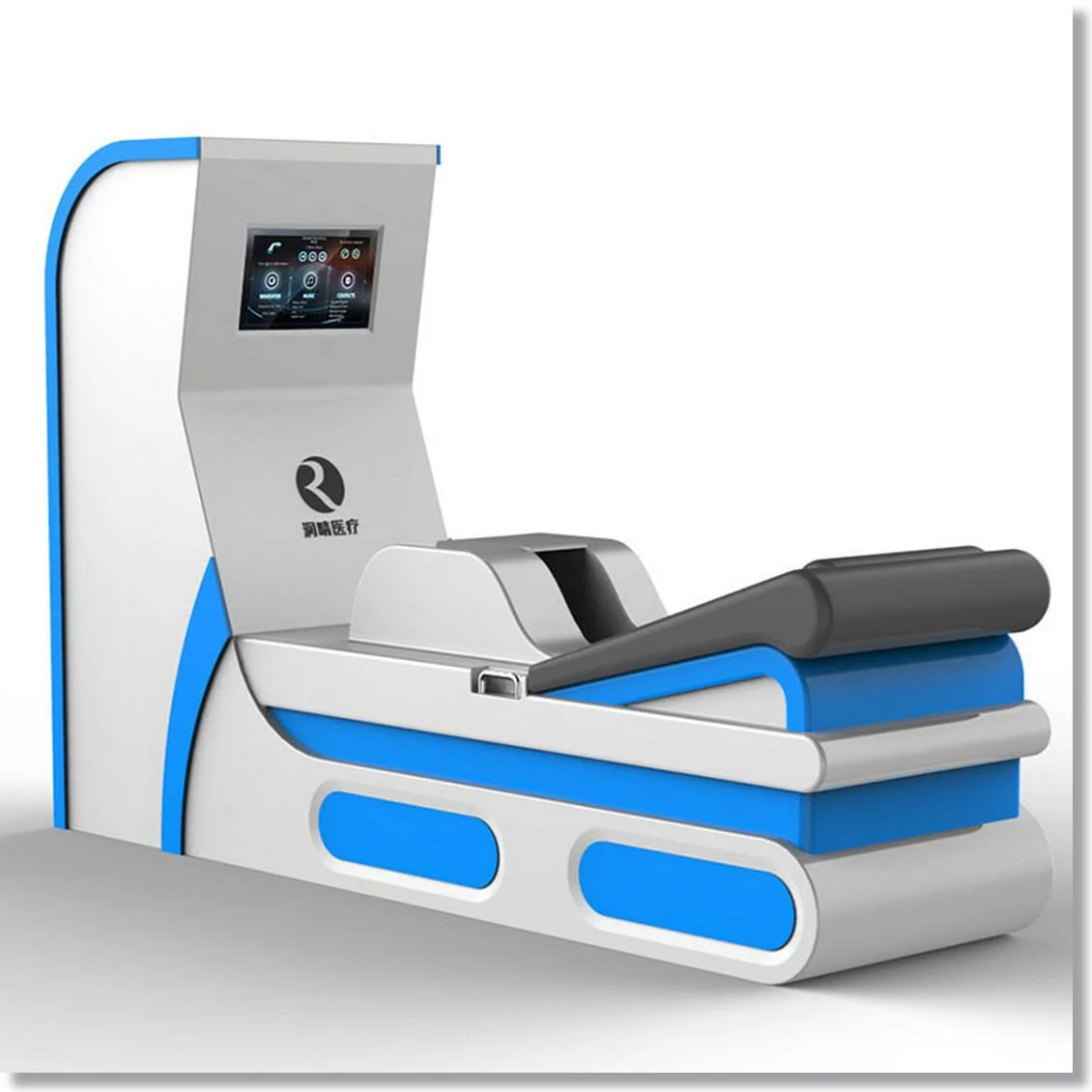
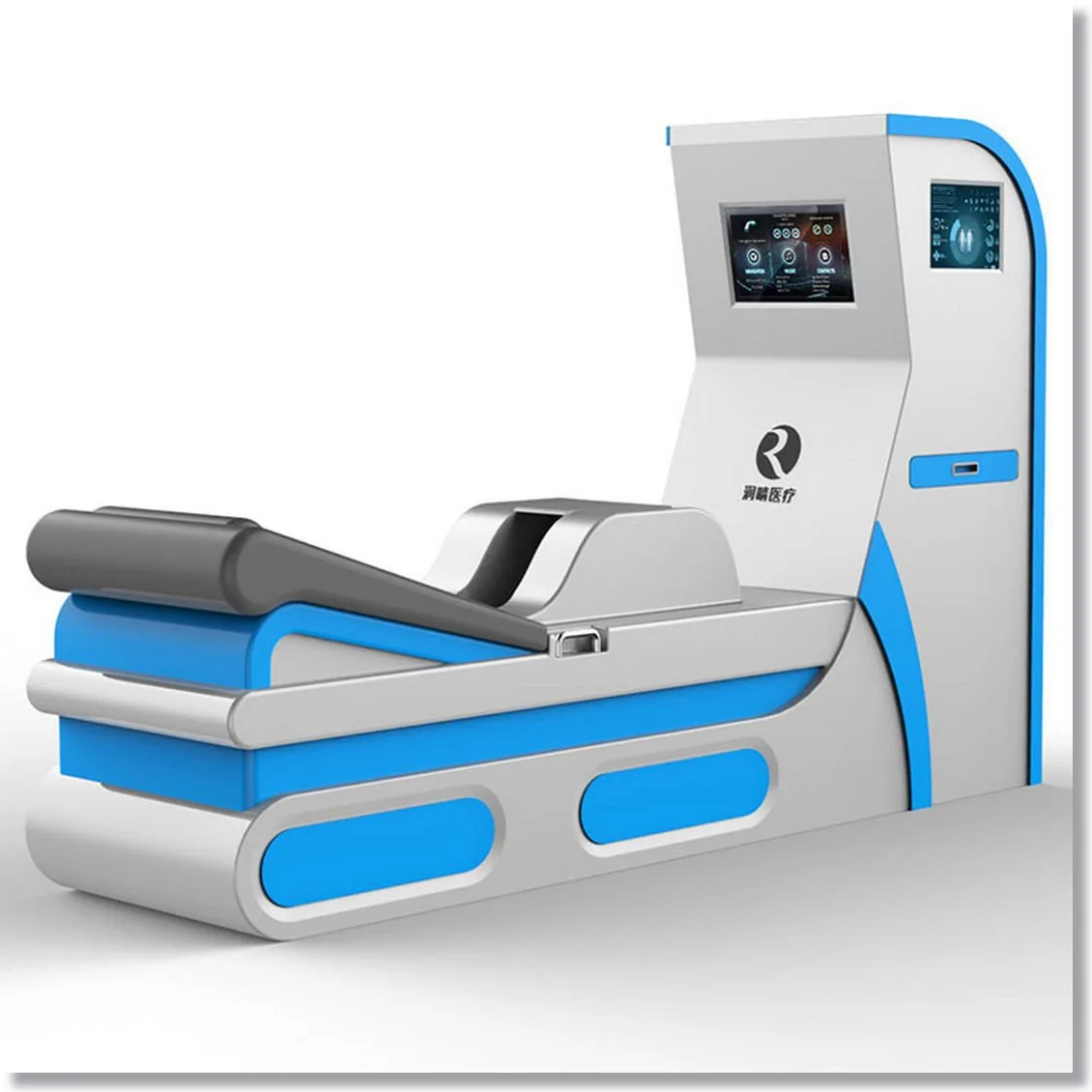
Equipment choice affects safety. The MAIKONG MK-540 includes several built‑in features that help manage routine risks; we list the ones most relevant to reducing side effects and incident severity.
We note that the MK-540 also includes an imported medical peristaltic pump and camera system for observation, which support consistent flow and allow visual checks during the procedure (MAIKONG fact set). Use of single‑use disposables and clear pressure alarms materially reduces common sources of harm.
Practical steps your clinic should take to reduce risk during and after treatment
Operational discipline prevents most side effects. We advise the following operating practices:
- Pre‑treatment screening form that staff review and sign off; include medical history, medications, recent tests/surgeries and allergies.
- Document baseline observations: pulse, blood pressure and an assessment of hydration for at‑risk clients.
- Use disposables for every session and verify batch/expiry numbers where relevant. The MK-540 specifies disposable guide head sterilisation by irradiation — record the consumable type used.
- Start with low flow/low volume settings and increase only with client tolerance; use temperature settings consistent with the device’s specified range (30–40°C and maintain 37°C ±2°C as needed) to avoid thermal shock.
- Monitor pressure readouts continuously; train staff to recognise the alarm and to stop infusion immediately if pressure rises.
- Provide clear client briefing on sensations to expect, and emphasise they must signal if pain, severe discomfort, dizziness or bleeding occurs.
- Post‑treatment: offer water, monitor for 10–20 minutes for immediate reactions, give written aftercare advice and a contact number to report delayed problems.
When to refuse treatment and when to refer to a medical professional
Refuse or postpone treatment if the screening reveals recent abdominal surgery, active inflammatory bowel disease, unexplained rectal bleeding, severe cardiac instability, pregnancy or suspected bowel obstruction. If a client becomes hypotensive, faints, experiences severe abdominal pain, heavy rectal bleeding, or shows signs of infection after a session, arrange urgent medical assessment and document the referral. When in doubt consult the client’s GP or an on‑call clinician before proceeding.
Record‑keeping, consent and client briefing: what to document before you treat
Good records are both a safety tool and a professional standard:
- Signed consent form that explains likely common side effects and lists serious but uncommon risks (use plain language).
- Completed screening checklist and any GP/clinician correspondence when treatment is conditional on medical clearance.
- Baseline vitals and an entry for device settings used (flow, temperature, pressure limits) and disposables serial/batch where applicable.
- Incident log for any adverse reaction and a follow‑up plan.
Quick clinic checklist you can use today (screening, equipment checks, emergency actions)
- Screening: completed medical history, current meds, recent surgery/diagnosis, pregnancy check.
- Equipment: disposable guide head ready; pressure monitor functional; temperature set within 30–40°C; peristaltic pump functioning; alarm tests passed.
- During treatment: operator present at all times, client comfortable and able to signal, pressure alarms acknowledged.
- Emergency actions: stop infusion immediately on severe pain/bleeding/fainting; place client in recovery position if unconscious; call emergency services for severe events; record and inform client’s GP if appropriate.
Evidence and device specifics we used
We reference MAIKONG’s own product information for equipment features of the MK-540, including: pressure monitoring and automatic stop, water flow and temperature ranges, disposable guide head specification, automatic stop conditions, peristaltic pump, and built‑in sewage/excretion facilities. These device features are recorded in our product fact set (MAIKONG MK-540). Use the model manual for full operating procedures and consumable specifications before putting a unit into clinical use. (data-fact-id=”115″)
Limitations and risks of the guidance in this article
This article is an operational and safety overview for wellness centre managers, not a clinical guideline. We do not provide diagnostic or medical advice here. Specific contraindications, clinical thresholds for fluid balance, or decisions about medication management must come from a qualified medical practitioner. MAIKONG product facts are company‑provided specifications and should be confirmed against the model manual and local electrical/install requirements before purchase or use.
FAQ (short answers to UK owners’ common follow‑ups)
- Do you need a doctor on site?
- Not necessarily; many UK wellness centres operate colon hydrotherapy without a doctor on site. However, you must have clear protocols to refer or seek urgent medical help when required and a clinician available for pre‑treatment clearance in higher‑risk cases.
- How do we prove staff competence?
- Maintain training records, competence checklists for device operation, and periodic refresher assessments. Training should cover screening, device operation (including pressure alarms), basic life‑support and emergency referral pathways.
- Are disposables required?
- Using single‑use insertion items is the safest standard to reduce infection risk. The MK-540 specifies disposable guide heads that are irradiation‑sterilised (see model documentation).
Next step: how to get a specification or safety/configuration quote from MAIKONG
If you want a tailored configuration or a safety/specification quote for the MK-540 or other MAIKONG models, contact our UK enquiry point with your clinic details and any required customisations. Please include the number of units, required voltage configuration (note the device lists 110V–220V 50Hz), and whether you require branded OEM packaging or additional consumables. Pricing and delivery lead times are provided on request.
Contact: Lucy@Colonicmachine.uk or +8613510907401 (WhatsApp available). We can supply the model manual and installation checklist on request.
Localised disclaimer: This content is for health‑management and clinic safety reference only and does not replace professional medical diagnosis, advice or emergency care. Do not use this article as a substitute for clinical guidance from a qualified medical practitioner.
This content is provided for learning, information sharing and professional communication only. It is not medical advice and is not a basis for treatment or diagnosis. Confirm suitability, operation and purchasing requirements against the product manual, local regulations and qualified professional guidance.
Contact us online by Whatsapp:

Maybe you like also
Copy©2026-2027