Colonic Machine UK Distributor | MAIKONG OEM Factory
About Us| Contact Us

Closed‑system colonic machine: a practical buyer guide for UK health investors and training centres
September 18, 2026
Quick answer
Short verdict: Yes — a UK health investor or a training centre can buy and run a closed‑system comparable provider machine, provided you make three early decisions (service model, clinical scope and training use), insist on specific safety and hygiene controls, and verify UK electrical/medical device compliance before use. We outline the operational choices, the machine features you should require, how to verify a supplier and what to include in a quotation request so you can reach a purchase decision without relying on a fixed procurement framework.
Contents
What you must decide first: service model, clinical scope and training use-cases
Before talking suppliers or models, decide how you will use the equipment. These choices shape the room, staffing, training and regulatory checks you need:
- Service model: a clinical service (clients treated as patients under regulated care) requires different staffing and consent processes than a wellness/education demonstration for trainees.
- Clinical scope: will you offer single‑operator sessions, supervised trainee clinics, or demonstrations only? Trainee use typically demands additional supervision, competency checkpoints and defined incident escalation procedures.
- Training use-cases: if the machine will be used to teach practical skills, plan for duplicate consumables, a training syllabus and a measurable competency assessment before trainees treat paying clients.
Making these decisions up front prevents over‑ or under‑specification — for example, a training centre that plans live practice needs spare disposable guide heads and a formal supervision checklist, while a purely demonstration setup can omit consumable stock for client sessions.
How closed systems differ from open systems — operational and hygiene advantages for UK clinics and training rooms
Closed systems contain wastewater and waste in a sealed circuit, which reduces odour, visual exposure and environmental contamination in the treatment room. For training centres this means easier room turnover and clearer hygiene boundaries between demonstration and supervised practice. Modern closed systems also include observation and monitoring features that support safe teaching.
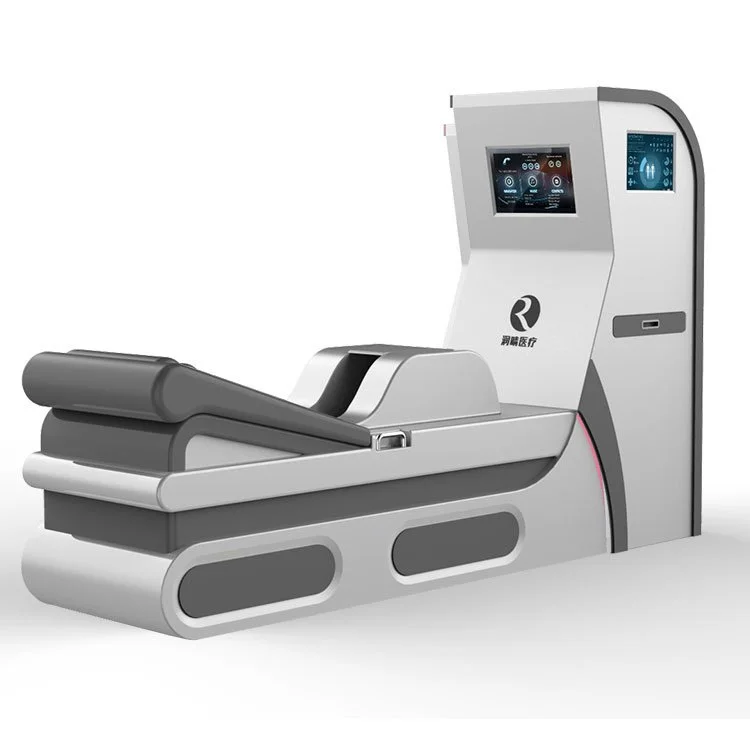
The machine configurations we work with include features intended to support a closed‑system workflow — dual inlet/outlet pipelines, automatic pipeline cleaning and built‑in sewage handling — all useful when you must maintain professional standards across repeated sessions. See the machine configuration summary for these confirmed features below and consult the model manual for operational limits. Source
Essential safety and control features to insist on
When assessing offers, require explicit evidence (in the technical manual and in the demonstration) of the following controls. We list what to verify and why:
- Real‑time intestinal pressure monitoring and automatic stop: the supplier should show pressure alarms and an auto‑stop function in operation. This is a designed safety feature in our machines. Source
- Temperature control and anti‑dry/overheat protection: water temperature control across the working range (30–40°C) and automatic power‑off on over‑temperature. Confirm the machine maintains 37°C ±2°C during operation if that is required by your protocols. Source
- Fail‑safes and alarms: automatic stop on overflow, timeout, low liquid or temperature faults. Ask to see each alarm condition demonstrated. Source
- Observation and recording systems: machines with an observation display or built‑in camera help trainers supervise and record demonstrations; confirm how video recordings are stored and consented. Source
- Medical‑grade pumping and filtration: peristaltic pumps (medical grade) and inlet filtration down to 5 μm are important to reduce particulate ingress. Verify manufacturer documentation. Source
Consumables, disposables and sterilisation approach you must require from a supplier
A training centre must plan consumable flows. From the supplier evidence we can confirm the machine uses single‑use guide heads and that the supplier specifies irradiation sterilisation for those consumables — ask for the consumable SKU list, shelf life and packaging details. Source
For clinic use require written procedures for:
- disposable guide heads (availability and traceability);
- pipeline cleaning cycles and chemical disinfectants compatible with the machine;
- safe handling and disposal of clinical waste post‑procedure.
Practical site and utility checklist for the UK — what to verify locally
Use this checklist at an early site visit. Some machine facts are supplied by the manufacturer and should be cross‑checked against your room:
- Power: the machine supports 110V–220V 50Hz and lists 2000W total power; confirm your site sockets, any isolation or RCD protection and whether a dedicated circuit is advised. Source
- Water supply and filtration: the product includes inlet filtration (5 μm) and intelligent water inlet, but you should verify local water quality and whether additional pre‑filters are needed.
- Drainage and waste handling: closed systems reduce splashing but plan for a built‑in sewage connection or compatible floor drain and confirm local clinical waste arrangements.
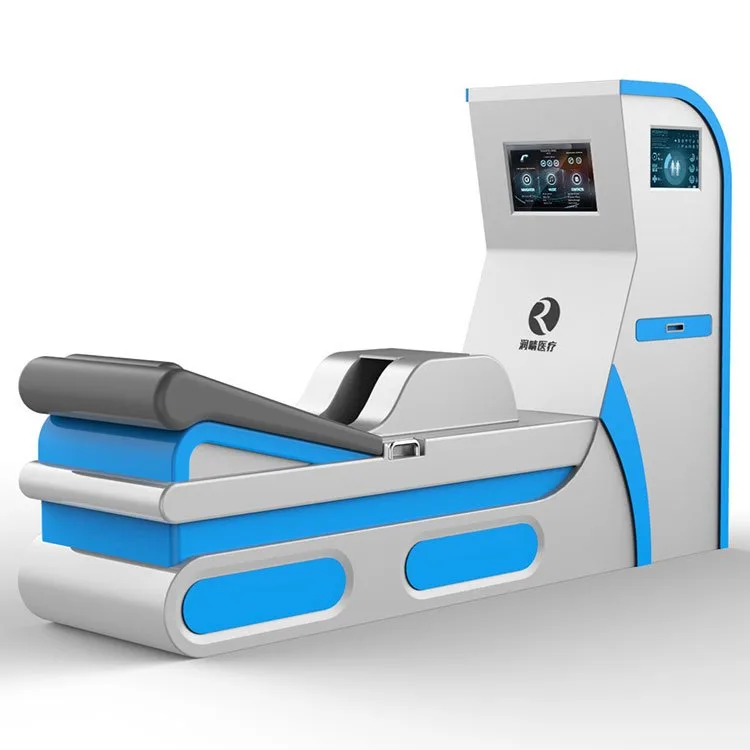
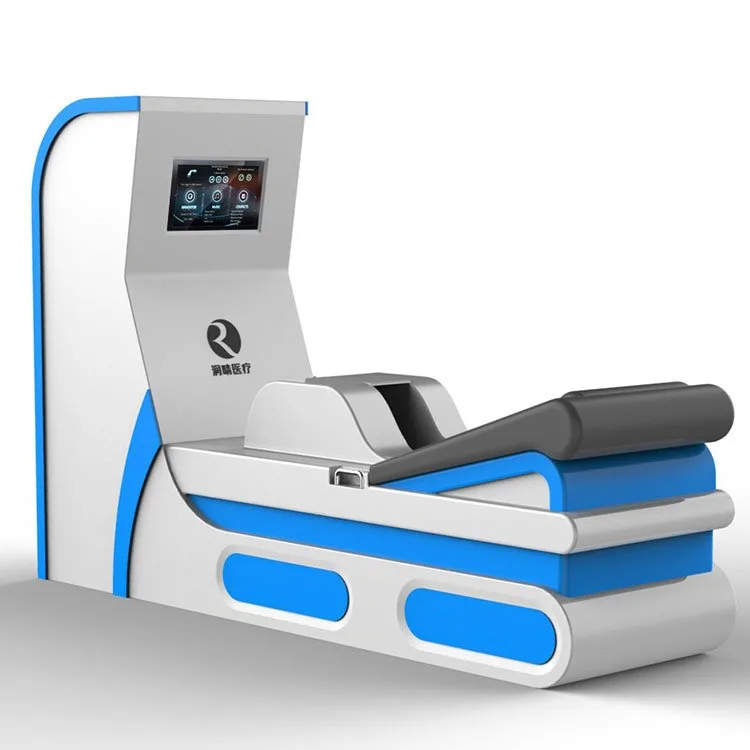
- Room layout and privacy: ensure a bed and machine footprint accommodate the confirmed sizes and weights (machine and bed dimensions and weights are provided by the supplier — check which model you intend to buy). Source
- Known evidence gaps: we do not supply UK‑specific electrical installation approvals or MHRA/UKCA registration evidence in the product pack; you must verify local regulatory coverage and PAT testing requirements before clinical use.
Steps to validate a supplier and product before purchase
A practical validation pathway we recommend:
- Obtain the full technical manual, wiring diagram and cleaning/maintenance schedule and confirm the machine meets your planned clinical workflow.
- Request live demonstration (video or on‑site) showing pressure alarms, temperature control, automatic stop and pipeline cleaning cycles.
- Ask for sample consumables (single‑use guide head) and confirm sterilisation label/traceability. Source
- Verify logistics: minimum order quantity is declared as 1 PCS and lead time is listed as 15 days for the model range we publish — confirm for your configuration. Source
- Require written plans for training, maintenance and spare parts supply; include an on‑site or remote training schedule in your purchase conditions.
How to structure a training programme around a closed‑system machine
For training centres we advise a staged curriculum:
- Theory module: equipment features, contraindications, UK regulatory boundaries and consent/legal forms.
- Device operation: staged hands‑on with the machine off, then water runs with dummy loads, then supervised sessions with disposable components only.
- Competency checkpoints: documented sign‑offs for pressure control, infection control, emergency stop procedures and waste handling before treating paying clients.
- Supervision ratios: set a maximum trainee to supervisor ratio and require direct observation for the first set number of client sessions.
Operational workflow for a safe treatment session
A workable session checklist for clinics and supervised training:
- Pre‑consultation: medical history, contra‑indications screen, written consent and signed data protection agreement for any recording.
- Equipment checks: visual inspection, pipeline cleanliness, consumables fitted, pressure and temperature self‑tests and alarm checks.
- During treatment: continuous observation of pressure and client comfort; be ready to press emergency stop and follow incident protocol.
- Post‑session: dispose of single‑use items, run automatic pipeline cleaning cycle, record maintenance log and clinical notes.
Running cost considerations and what to include in a supplier quotation request
Ask suppliers to itemise the following in any quotation:
- Base machine price (configuration options and bed/seat variants).
- Consumables: single‑use guide heads, tubing sets and any single‑use infusion components — list SKU, unit price and expected monthly usage for a defined session volume.
- Spares: peristaltic pump units and filters; ask for recommended spares list with prices.
- Training: initial operator training and any follow‑up competency assessments.
- Installation: any on‑site commissioning, calibration and local electrical work (supplied evidence does not include UK installation specifics — plan a local electrician).
- After‑sales: service contract options and response SLAs (request written terms).
Quick comparison: what to ask suppliers when comparing closed‑system offers
Use this short checklist in calls or emails to differentiate proposals quickly:
- Can you demonstrate pressure monitoring and the automatic stop during a live demo?
- Do consumables come sterilised and traceable, and what are lead times for repeat orders?
- What specific UK electrical compliance paperwork and installation guidance do you provide?
- Is operator and trainer documentation supplied in English and is there on‑site training available in the UK?
- What spare parts are recommended and which ones are critical to have on site?
Buyer checklist table
| Requirement | Why it matters | What to verify |
|---|---|---|
| Pressure monitoring & auto‑stop | Protects client from unsafe pressures | See live alarm demo and manual description |
| Temperature control (30–40°C) | Comfort and procedural safety | Confirm setpoint stability (37°C ±2°C claimed by supplier) |
| Disposable guide heads & consumables | Infection control and trainee logistics | Request consumable list, sterilisation method and MOQ |
| Filtration (5 μm inlet) | Reduce particulate entry to system | Verify filter spec and replacement schedule |
Known limitations and verification needs
We rely on manufacturer‑provided specifications for machine features (pressure alarms, temperature control range 30–40°C, peristaltic pump, inlet filtration 5 μm, single‑use guide heads, dual screens and built‑in sewage options). These values are published for the models we offer; see the product pages for detailed parameters. Source
Important caveats:
- We do not present UK‑specific electrical installation approvals, nor do we assert MHRA/UKCA registration for a particular model in this article. You must verify all national regulatory and installation requirements locally before clinical use.
- Operational safety depends on user training and local clinical governance; a machine feature is not a substitute for qualified supervision and incident procedures.
Common buyer questions (short FAQ)
- Q: Does the machine work on UK mains?
A: The manufacturer lists 110V–220V 50Hz compatibility and 2000W power for the models shown; confirm the specific unit and site electrical support during technical validation. Source - Q: Are consumables single‑use?
A: The supplier specifies disposable guide heads with irradiation sterilisation — request batch details and expiry data before buying. Source - Q: What training is provided?
A: We recommend including manufacturer operator training and a competency syllabus in the purchase. Confirm whether on‑site UK training is available and costed in the quotation.
For an immediate next step, request a tailored configuration and a quotation from us. Tell us your intended service model (clinic, training centre or mixed), expected monthly session volume, and whether you require on‑site UK training or remote demonstration — we will return a configuration checklist and quote. Contact: Lucy@Colonicmachine.uk or WhatsApp/phone: +8613510907401.
Useful internal pages: learn more about our closed system options on the Closed System overview and our UK product line pages: closed system, comparable provider machine UK and best comparable provider machine.
Local disclaimer: This article is for education and operational planning only. It does not replace professional medical advice or clinical standards; we do not promise diagnoses, treatments or clinical outcomes. Verify regulatory and electrical compliance with the appropriate UK authorities and qualified professionals before clinical use.
This content is provided for learning, information sharing and professional communication only. It is not medical advice and is not a basis for treatment or diagnosis. Confirm suitability, operation and purchasing requirements against the product manual, local regulations and qualified professional guidance.
Contact us online by Whatsapp:

Maybe you like also
Copy©2026-2027