
Colonic Machine
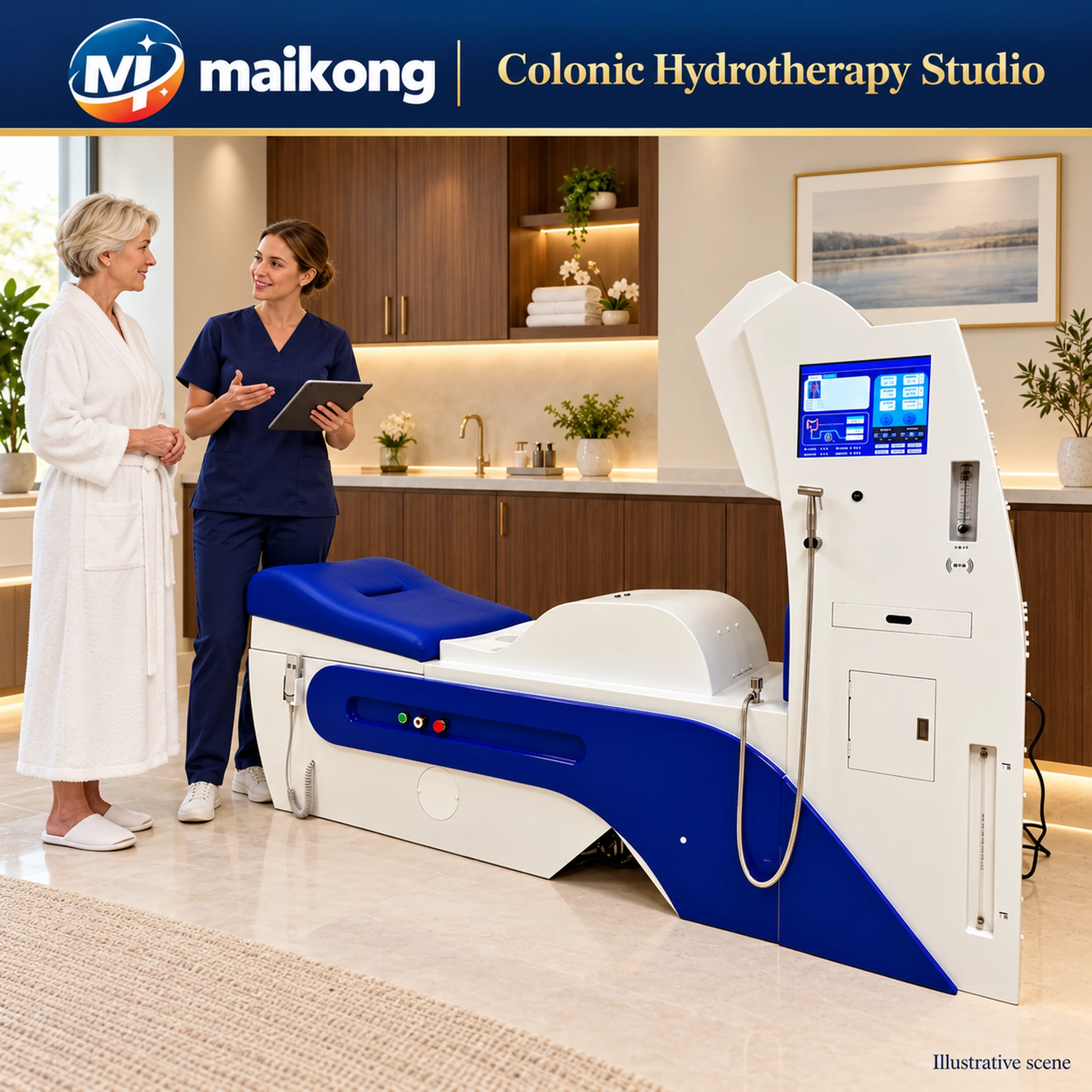
A gut cleanse encompasses nutritional, lifestyle, and regulated mechanical protocols designed to assist digestive transit and alleviate accumulated faecal waste in the gastrointestinal tract. While the body relies on endogenous hepatic, renal, and gastrointestinal pathways for daily metabolic processing, targeted cleansing routines and mechanical hydrotherapy provide external support for functional clearance and abdominal comfort. Selecting an appropriate protocol depends on individual physiological requirements, baseline digestive motility, and whether intervention occurs via home dietary adjustments or supervised clinical apparatus.
Determining the most effective strategy requires a clear assessment of individual gut health, existing symptoms, and professional clinical objectives. Practitioners and facility buyers evaluate protocols by balancing safety profiles, regulatory compliance, and operational precision.

Core Principles of a Gut Cleanse and Intestinal Dynamics
The human gastrointestinal tract functions as a complex barrier, absorption surface, and neuromuscular elimination organ. Within this environment, a structured gut cleanse aims to assist natural motility, encourage regular bowel movements, and support digestive comfort without compromising the delicate epithelial lining. When peristalsis slows due to lifestyle factors, stress, or low dietary residue, accumulated stool can contribute to feelings of sluggishness, bloating, and irregular transit.
Intestinal cleansing strategies target distinct regions of the alimentary canal. While oral interventions pass sequentially through the stomach, small intestine, and colon over several hours, targeted hydrotherapy addresses the large bowel directly. Supporting intestinal peristalsis allows the gut microbiome to maintain a balanced luminal environment, reducing excessive fermentation and physical distension.
Professional therapy focuses on re-establishing normal bowel rhythm and facilitating unhindered evacuation. Maintaining mucosal integrity and preventing dehydration remain primary clinical objectives throughout any cleansing intervention.
A structured cleanse focuses on restoring functional intestinal motility rather than delivering an aggressive laxative effect. Preserving hydration and mucosal barrier integrity remains essential across every professional protocol.

Comparing Dietary Modulation and Mechanical Cleansing Methods
Approaches to digestive cleansing diverge into biochemical nutritional interventions and physical irrigation modalities. Oral dietary adjustments utilise dietary fibre, osmotic fluid balance, and botanical preparations to gently alter stool consistency and encourage regular evacuation. In contrast, mechanical methods such as colon hydrotherapy introduce filtered, temperature-controlled water into the lower bowel using specialised medical devices like a colonic machine.
Nutritional programmes require consistent adherence over several days or weeks to influence bacterial composition and digestive speed. Mechanical hydrotherapy provides immediate evacuation of retained faecal matter within a single, practitioner-monitored clinical session. Facilities frequently combine dietary preparation with mechanical sessions to optimise overall client comfort and functional outcomes.
Evaluating both modalities allows practitioners to recommend targeted options based on client tolerance, mobility, and specific clinical goals. The following table contrasts the functional characteristics of oral dietary regimens and mechanical hydrotherapy systems.
| Feature | Dietary Cleanse | Mechanical Hydrotherapy | Clinical Implication |
| Mechanism | Metabolic Motility | Fluid Irrigation | Direct physical evacuation versus systemic transit stimulation |
| Onset Speed | Gradual Days | Immediate Evacuation | Session-based intervention delivers rapid mechanical relief |
| Target Region | Full Tract | Large Intestine | Oral approaches influence upper tract absorption and lower transit |
| Supervision | Self Administered | Trained Operator | Professional monitoring mitigates procedural risks and ensures comfort |
Clinical and Practical Protocols for Digestive Cleansing
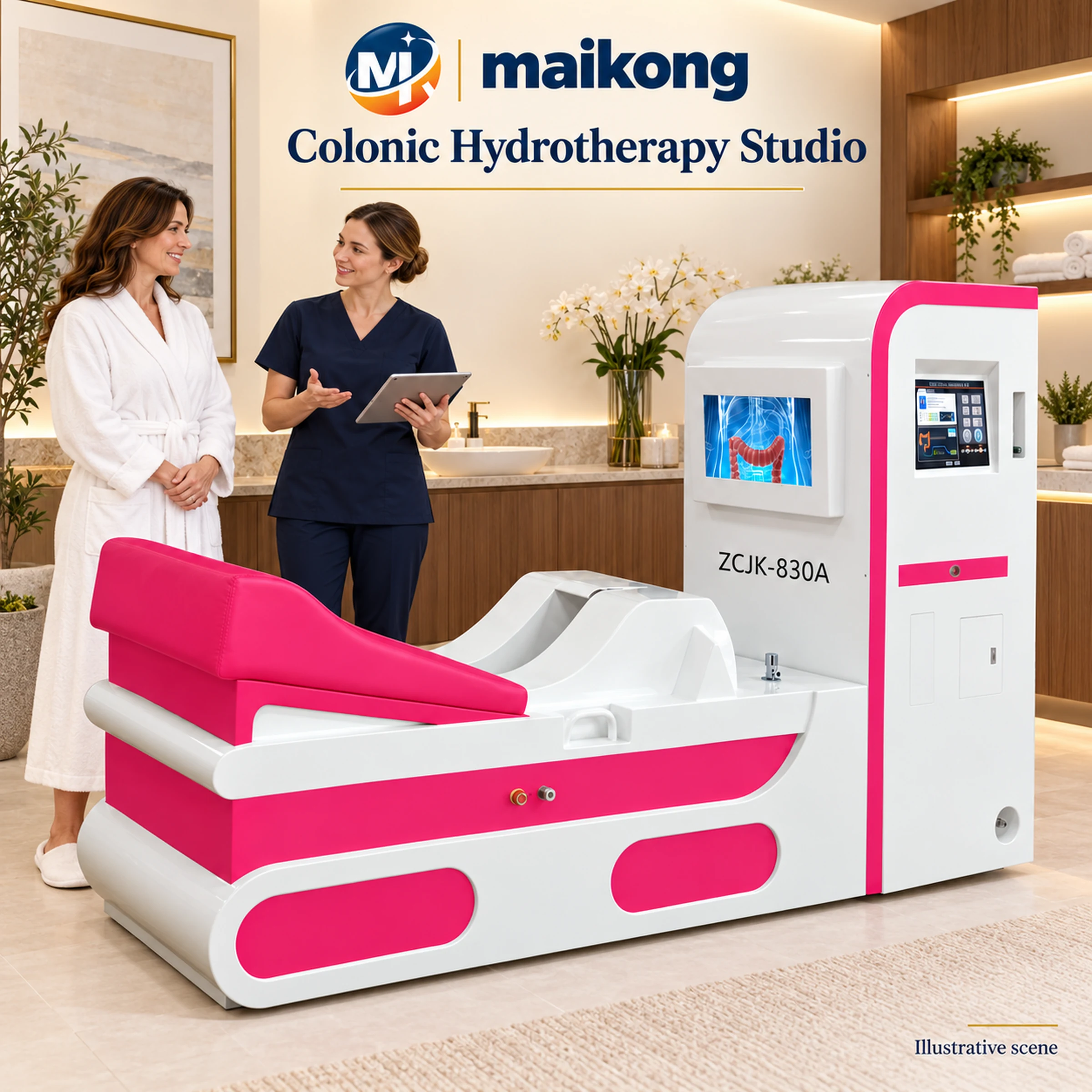
Implementing an effective digestive reset requires structured execution to prevent acute abdominal cramping, electrolyte disturbance, or excessive fatigue. Understanding how colonic machine works alongside nutritional shifts enables practitioners to establish reproducible protocols. Preparation begins several days prior to intervention by minimising heavy fats, refined carbohydrates, and dehydrating stimulants.
During active cleansing, fluid balance must be prioritised through consistent intake of mineral-rich water, herbal broths, and soluble fibres. For clinical hydrotherapy, pre-session consultations verify baseline vital signs, bowel history, and contraindications before inserting a sterile speculum. Post-cleansing routines focus on reintroducing wholesome, easily digestible foodstuffs to support mucosal recovery.
Standardised treatment pathways reduce clinical variability and enhance patient comfort throughout the procedure. Clinicians follow sequential steps to manage client outcomes effectively:
- Complete a detailed gastrointestinal screening to identify potential contraindications, medications, and previous surgeries.
- Establish baseline hydration using electrolyte-balanced fluids forty-eight hours prior to active intervention.
- Administer gentle, warm purified water via regulated apparatus while monitoring intestinal response and abdominal pressure.
- Facilitate waste discharge and stimulate natural peristaltic waves through controlled fluid infusion and gentle abdominal palpation.
- Conclude with dietary replenishment using digestible nutrients, fermented foods, and resting protocols.

Natural Dietary Gut Cleansing and Microbiome Support
Nutritional approaches to intestinal management rely on the synergy between dietary substrate, gastrointestinal fluids, and native microbial communities. A natural gut cleanse prioritises whole foods containing prebiotic oligosaccharides, polyphenols, and soluble plant fibres. These elements resist digestion in the upper tract, reaching the colon where beneficial microbes ferment them into trophic short-chain fatty acids.
Incorporating diverse plant varieties provides distinct structural substrates that nourish commensal bacterial species such as Bifidobacteria and Lactobacilli. Regular hydration supports mucosal lubrication, softens stool bulk, and assists regular bowel transit without the need for synthetic laxatives. In addition, physical movement stimulates mesenteric blood flow and promotes regular colonic propulsive contractions.
Targeted dietary elements work collectively to support digestive integrity and comfortable transit across everyday wellness routines.
Prebiotic Fibre
Soluble plant fibres from oats, flaxseeds, and chicory root provide physical bulk to soften stool and feed beneficial bacteria.
Fermented Nutrients
Cultured foods including natural yogurt, kefir, and fermented vegetables supply organic acids that support luminal conditions.
Hydration Dynamics
Purified water paired with essential trace electrolytes maintains optimal bowel hydration and eases gastrointestinal motility.

Professional Equipment Engineering and Operational Safety
Clinical colon hydrotherapy demands sophisticated engineering to manage water delivery safely into the human colon. A professional closed system colonic machine incorporates multi-stage filtration to remove chlorine, sediment, and microbiological contaminants from municipal water. Internal heating elements warm the purified water to physiological body temperature before delivery to prevent hypothermic shock or intestinal cramping.
Precision valves and sensitive pressure sensors limit fluid introduction within tight physiological boundaries, preventing mucosal overdistension. Flow meters allow the operating practitioner to regulate infusion volume according to patient comfort and intestinal responsiveness. Waste evacuation occurs through fully enclosed, odourless sight tubes that allow observation of discharged waste while maintaining absolute clinical hygiene.
Modern engineering incorporates fail-safe mechanisms such as automatic thermal shut-offs, check valves, and backflow preventers. These systems safeguard client safety while providing practitioners with granular control throughout each treatment phase.
Multi-stage water filtration and automated temperature stabilisation to body levels prevent thermal shock to colonic tissue during professional infusion.
System Architectures in Professional Practice
Commercial facilities and private clinics evaluate diverse equipment architectures based on clinical workflow, space constraints, and client preferences. An open system colonic machine allows the client to recline on a contoured basin table, controlling water flow and releasing waste around a slender rectal tube without continuous therapist intervention. Conversely, closed systems require a certified practitioner to manage speculum placement, flow valves, and waste line monitoring throughout the session.
Clinics also choose between gravity-fed water delivery and pressurised pump mechanisms. A gravity colonic machine relies on an elevated reservoir to create gentle hydrostatic pressure, whereas pump-driven units provide electronic micro-adjustments for precise volume control. Operational facilities must select apparatus that aligns with their staffing models, licensing standards, and space allocations.
Comparing open and closed operational formats helps procurement teams assess staffing models and patient privacy requirements:
Closed System Attributes
- Requires constant direct therapist attendance
- Enclosed waste line eliminates clinical odours
- Practitioner controls water flow rate
- Integrated viewing screen for waste evaluation
Open Basin Attributes
- Permits independent client evacuation
- Utilises a smaller flexible rectal catheter
- Offers increased personal client privacy
- Requires specialised floor drainage plumbing

Technical Specifications of Professional Hydrotherapy Apparatus
Commercial equipment selection requires detailed analysis of mechanical, electrical, and hydraulic parameters. When comparing models and assessing colonic machine price, healthcare procurement teams examine water reservoir capacities, heating response curves, noise ratings, and electrical certifications. Professional systems manufactured by MAIKONG adhere to strict Class I instrument classifications and international CE quality standards.
Apparatus such as the MK-880 and MK-ZCJK880 feature integrated peristaltic pumps, electronic touch interfaces, and secondary medicine delivery vessels. These technical additions allow practitioner-monitored retention enemas where clinically indicated and legally authorised. Operating sound levels below 65 decibels maintain a tranquil clinical atmosphere suitable for high-end wellness and rehabilitation facilities.
The following table presents verified manufacturing specifications for the MK-ZCJK880 and associated commercial units from MAIKONG.
| Specification Item | MK-880 Parameter | MK-ZCJK880 Value | Operational Context |
| Origin City | SZ, GD, China | SZ, GD, China | Advanced supply chain production hub |
| Classification | Class I Electric | Class I Electric | Standard commercial wellness instrument |
| Water Tank | Standard Unit | 10L Reservoir | Capacity for continuous temperature maintenance |
| Medicine Cup | Optional Port | 500ML Capacity | Controlled delivery of retention preparations |
| Fluid Temp | 37C Constant | 30-40C Adjustable | Precision thermal regulation prevents cramping |
| Acoustic Noise | Under 65dB | Under 65dB | Low-noise pump operation maintains client relaxation |
| Dimensions | 1720x2500x690MM | 1720x2500x690MM | Full-size therapeutic console profile |
| Power Rating | 220V 50Hz 2KW | 220V 50Hz 2KW | Compatible with standard UK commercial power |
Packaging, Logistics and Accessory Specifications
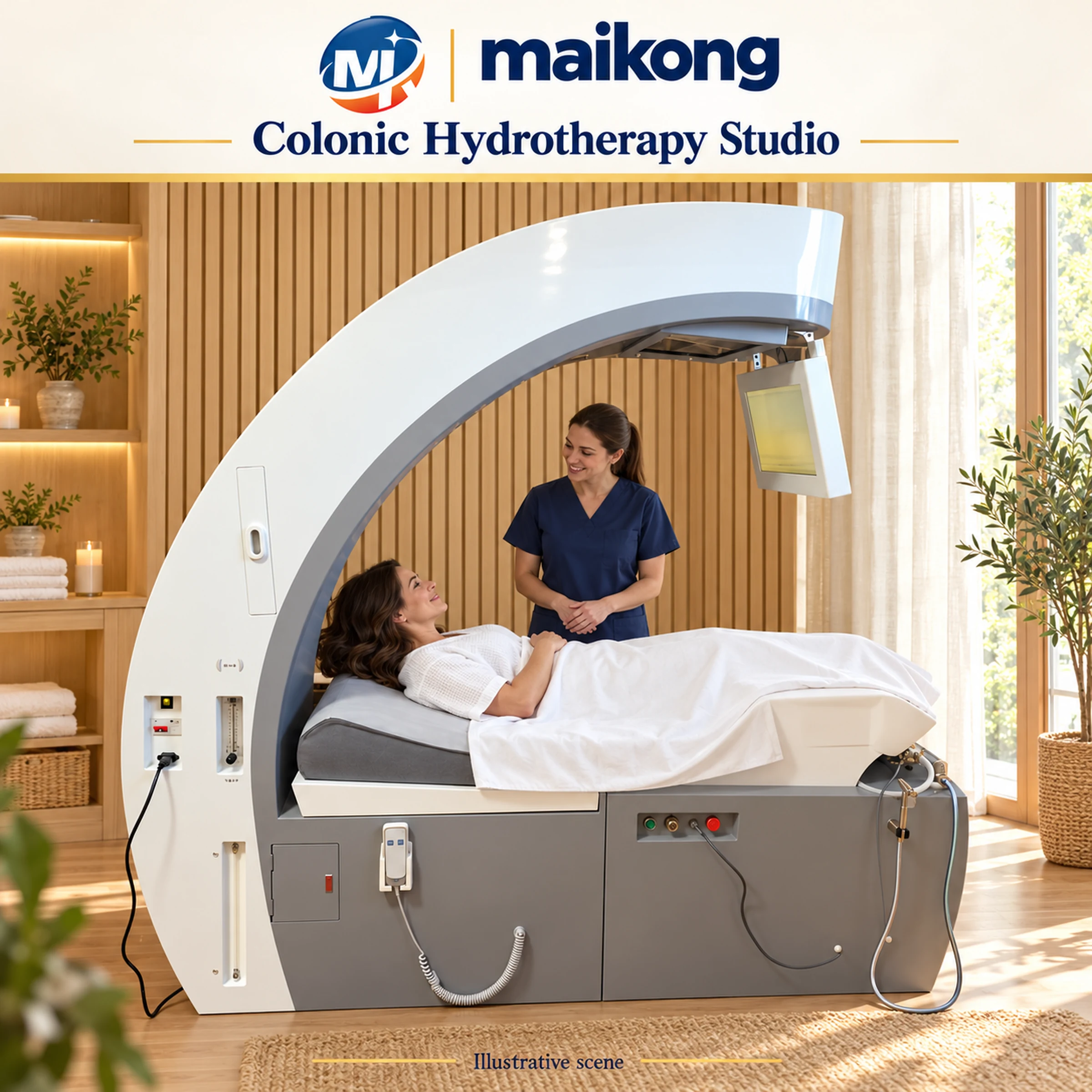
Safe international transit of precision hydrotherapy equipment requires robust export packaging and rigorous logistics planning. Healthcare providers evaluating a colonic machine for sale must verify crating dimensions, gross weights, and freight configurations to ensure smooth delivery. MAIKONG ships all primary apparatus in heavy-duty reinforced wooden cases designed to withstand multimodal container and air transport.
Each crated console includes standard accessory packs, comprising multi-stage water pre-filters, medical-grade fluid delivery lines, power harnesses, and user manuals. Specialised units like the MK-EF-ITM utilise durable aluminium framing with ABS engineering plastic enclosures to optimise durability while keeping structural weight manageable. Depending on facility requirements, shipments can be routed directly to regional sea ports or delivered directly to clinic doors via road haulage.
Freight specifications for standard MAIKONG hydrotherapy units are detailed in the logistics overview below.
| Logistic Metric | MK-880 Case | MK-EF-ITM Packaging | Handling Recommendation |
| Package Type | Wooden Crate | Reinforced Carton | Protects precision internal valves from transit shock |
| Gross Weight | 160.000 kg | 25.000 kg Sub-pack | Requires mechanical pallet lifting equipment on site |
| Package Size | 1720x2500x690MM | 55x60x45cm Modules | Verify facility doorway and corridor clearances prior to delivery |
| Supply Volume | Custom Batches | 500 Pieces Month | Supports wholesale inventory and clinic chain rollouts |
Clinical Hygiene, Fluid Dynamics and Operational Protocols
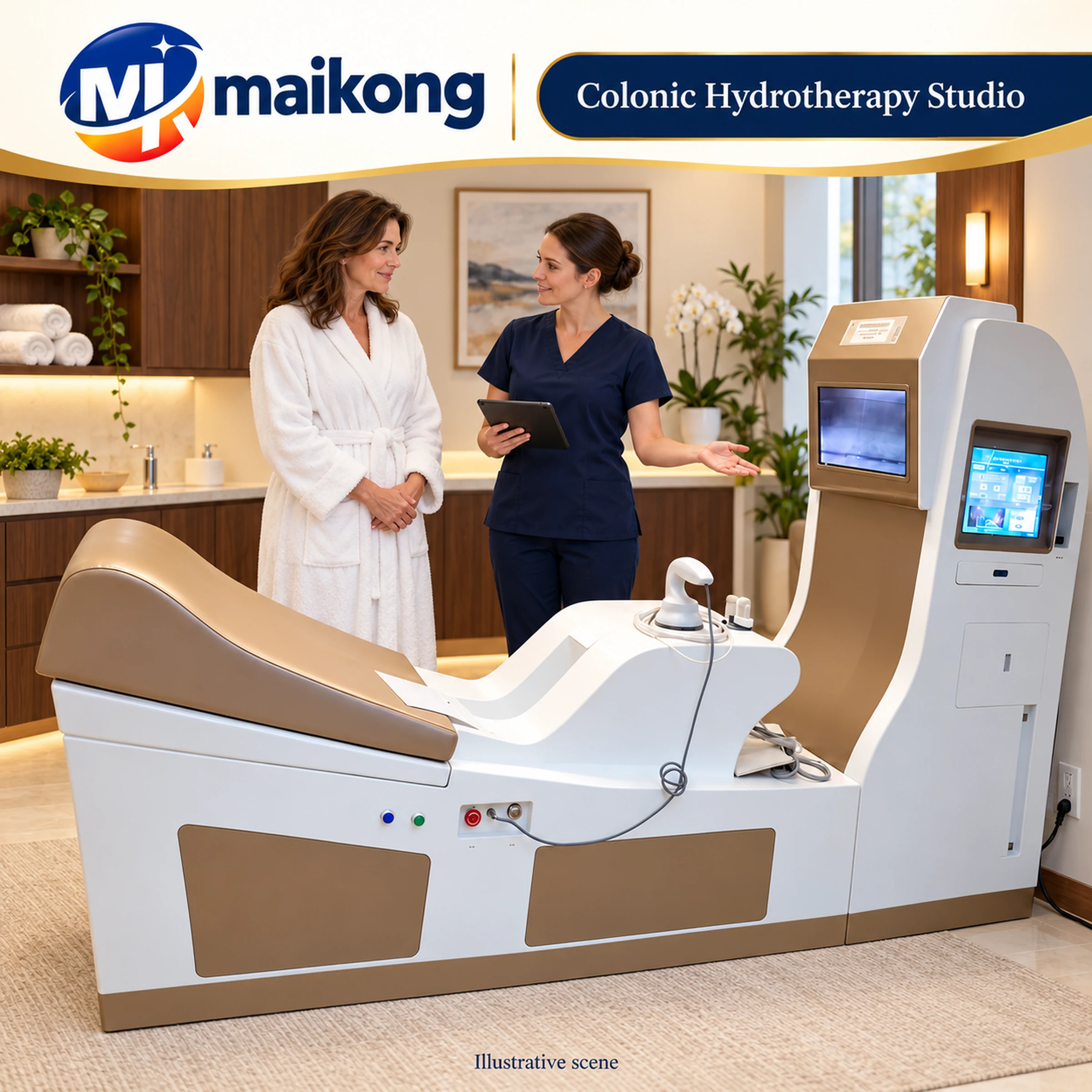
Strict infection control forms the cornerstone of professional gastrointestinal hydrotherapy in commercial and clinical practices. Cross-contamination risks are mitigated through single-use disposable speculums, sterile delivery lines, and dedicated waste evacuation tubing. In systems such as the MK-ZCJK-830, external water purification units feature automatic tube cleaning cycles that flush lines between client appointments.
Operational safety also relies on dynamic pressure management. Fluid introduction pressures must never exceed normal physiological limits, with equipment incorporating relief valves that vent automatically if resistance rises. Continuous temperature regulation set to 37 degrees Celsius prevents intestinal spasms triggered by cold water while avoiding thermal mucosal irritation from overheated fluid.
Practitioners must conduct comprehensive inspections of fluid lines and maintain meticulous sanitisation logs after every session to uphold workplace safety standards.
Never bypass thermal safety cut-offs or pressure regulation valves. Single-use disposable speculums and sterile tubing must be disposed of as clinical waste after every single treatment.

Clinical Suitability, Contraindications and Patient Assessment
Hydrotherapy and intensive cleansing regimens are not universally appropriate for every individual. When choosing the best colonic machine for a practice, clinic directors must institute rigorous client screening protocols. Absolute contraindications include active inflammatory bowel conditions such as acute diverticulitis, Crohn’s disease, severe ulcerative colitis, internal bowel tumours, and advanced abdominal hernias.
Similarly, recent abdominal surgery, severe cardiac disease, severe anaemia, and pregnancy preclude mechanical hydrotherapy. While marketing materials frequently highlight benefits for chronic constipation or general bowel reset, clinical assessment must precede therapy. Professional practitioners review medical histories, current pharmaceutical use, and baseline hydration before approving treatment.
Weighing the potential benefits against clinical limitations provides a balanced perspective for prospective clinic operators and practitioners.
Clinical Advantages
- Rapid mechanical evacuation of retained faecal waste
- Alleviates functional gas distension and lower bowel discomfort
- Stimulates sluggish peristaltic reflexes through gentle hydration
- Provides a hygienic environment for digestive transit resets
Clinical Limitations
- Strictly contraindicated in inflammatory gastrointestinal disorders
- Carries risk of electrolyte shift if overused without supervision
- Requires qualified professional operators to administer safely
- Does not replace formal medical evaluation or disease treatment

Procurement, Customisation and Facility Integration
Integrating mechanical hydrotherapy equipment into UK commercial facilities requires thorough infrastructure preparation. Establishing a functional treatment suite necessitates verified 220V electrical circuits, continuous hot and cold water supplies, and direct connection to dedicated foul sewer lines. Commercial buyers sourcing a colonic machine UK compliant system must plan room layouts to allow easy patient transfers and efficient operator movement.
MAIKONG provides comprehensive equipment customisation to match distinctive corporate aesthetics and clinic branding. Facilities can specify custom exterior colours, personalised user interface graphics, and bespoke console logos on bulk manufacturing runs. These tailored options allow medical spas, rehabilitation centres, and private practices to project a cohesive brand image across all treatment rooms.
Procurement teams evaluate customisation thresholds and facility requirements across three principal structural categories:
Plumbing Connections
Dedicated foul water drainage and balanced mains water pressure ensure rapid waste clearance and stable thermal control during therapy.
Bespoke Branding
Custom exterior chassis styling, bespoke console logos, and branded UI graphics are available on production orders of 20 to 30 units.
Electrical Safety
Standard 220V 50Hz electrical configurations integrate directly with UK commercial mains circuits, backed by Class I protective earthing.
MAIKONG Manufacturing Standards and Global Supply Support
MAIKONG operates advanced manufacturing facilities based in SZ, GD, China, serving as a dedicated supplier of colon hydrotherapy systems, colonic irrigation machines, and professional wellness equipment. Leveraging an established supply chain and high-precision production machinery, MAIKONG delivers high-end, cost-effective equipment engineered for long-term commercial reliability. The product range covers versatile closed systems, automated hydrotherapy consoles, and specialised accessories suited for clinics, spas, and wellness institutions worldwide.
To support global distributors and institutional procurement teams, MAIKONG maintains strict quality oversight under international CE and Class I manufacturing frameworks. Prospective partners can learn more about MAIKONG engineering standards, manufacturing processes, and ongoing technical support capabilities. With custom branding options, rapid parts supply, and responsive technical assistance, MAIKONG supports healthcare entrepreneurs and established clinics in building sustainable digestive health services.
Manufacturing in SZ, GD, China combines precision engineering with scalable supply chain capacity, providing reliable hydrotherapy apparatus for global commercial clients.

Frequently Asked Questions Regarding Gut Cleansing and Apparatus
What is your MOQ?
MAIKONG has no minimum order quantity for standard apparatus, meaning a single unit order is fully acceptable for clinical evaluation.
Can I have a sample order?
Sample orders are welcome to test mechanical build and operational quality, with mixed models supported and sample options available upon request.
What is the lead time?
Sample orders require 1 to 3 days for dispatch preparation, while full commercial production runs typically require 5 to 10 days.
What is your warranty and after service policy?
MAIKONG offers warranty coverage up to 3 years depending on the model and contract terms, supported by online technical support and spare component supply.
What certificates can be provided?
Apparatus is supplied with CE, ISO, and SGS documentation, with additional regional compliance certifications available upon customer request.
Can you ship to my address and how?
Delivery is provided directly to facility addresses worldwide via sea freight, air cargo, truck delivery, or express courier services.
What is your payment term?
All commercial payment mechanisms are supported, including telegraphic transfer, letters of credit, and official bank contracts.
Do you provide custom service?
Custom engineering is available for corporate branding, bespoke chassis graphics, and specialised packaging when provided with technical drawings or physical samples.
Summary of Professional Gut Cleansing Standards
Implementing safe gut cleansing protocols requires balancing patient physiological suitability with robust, precision-engineered hydrotherapy equipment. Careful screening, clinical temperature regulation, and medical-grade hygiene protocols remain foundational to effective long-term gastrointestinal care. Commercial facilities expand their capabilities by partnering with experienced manufacturers that deliver certified apparatus, reliable technical support, and transparent global logistics.
Establish Your Professional Hydrotherapy Service
Healthcare providers, clinic owners, and medical equipment distributors expanding gastrointestinal treatment options can explore wholesale supply frameworks, bespoke manufacturing, and local agency partnerships.