Colonic Machine UK Distributor | MAIKONG OEM Factory
About Us| Contact Us

Colonics side effects: a clear, practical guide for UK wellness centres
September 14, 2026
Quick answer
Yes — colon hydrotherapy (colonics) can produce side effects. Most are transient and mild (cramping, bloating, light-headedness, temporary nausea), but less common adverse events (significant pain, persistent bleeding, signs of infection or systemic upset) require immediate cessation and medical referral. With sensible pre‑treatment screening, conservative in‑treatment controls and clear aftercare, many minor effects are manageable within a clinic setting; serious complications are rare but must be anticipated and acted on without delay.
Contents
How common side effects present — what practitioners see in clinic
In our work supplying clinics and training staff, we encounter a predictable spectrum of presentations. The common, short‑lived complaints we see are abdominal cramping as water stimulates the bowel, a feeling of fullness or bloating during or shortly after the session, mild nausea, and occasional light‑headedness as the client relaxes. These symptoms typically resolve within minutes to a few hours.
Less frequent presentations are rectal discomfort, minor spotting on the tissue, prolonged abdominal pain or pronounced weakness. On the rare occasions a client experiences fever, severe pain, fainting, persistent bleeding or signs of infection (increasing pain, redness, discharge after treatment), we treat these as potential adverse events and advise urgent medical assessment.
Why side effects happen: simple physiological explanations
The bowel reacts to mechanical and thermal stimulation. Water entering the colon stretches the bowel wall and triggers peristalsis; that stretch causes cramping. Rapid removal of contents or changes in intraluminal volume can affect blood pressure transiently in sensitive individuals, producing light‑headedness. If water temperature or quality is off, or if an instrument is introduced roughly, local irritation can follow. Pre‑existing bowel conditions, recent procedures, and some medications change tissue sensitivity and raise the chance of a stronger reaction.
Risk factors that increase side‑effect likelihood
Use screening to identify higher risk clients. Key risk factors we consider in advice to clients include:
- Known active gastrointestinal disease (Crohn’s disease, ulcerative colitis, active diverticulitis).
- Recent abdominal or colorectal surgery, recent colonoscopy with biopsy or polypectomy.
- Unexplained rectal bleeding, severe haemorrhoids or inflammatory symptoms.
- Pregnancy or the immediate post‑partum period.
- Significant cardiovascular disease, uncontrolled hypertension, or anticoagulant therapy that increases bleeding risk.
- Frailty, immunosuppression or conditions that reduce wound healing.
These are screening prompts, not a substitute for medical assessment. When a client falls into one of these categories, we recommend refusing treatment and signposting to their GP or specialist.
Immediate minor side effects to expect and how to manage them during treatment
Prepare your room and staff to manage common effects quickly:
- Cramping or discomfort: pause or slow water flow, allow the client to breathe slowly, change position if safe, and wait for peristalsis to settle. Gentle reassurance and a short rest period often suffice.
- Light‑headedness: have the client sit or lie down, offer sips of water, and reassess vital appearance. If recovery is slow, terminate the session.
- Mild nausea: reduce stimulation and let the client rest upright until settled.
- Minor spotting: monitor; minor spotting that stops is usually not an immediate emergency, but document and advise the client to contact their GP if it persists.
Keep disposable single‑use rectal tubes and collection kits available, and document any intervention. Staff should be trained to stop treatment immediately if a client reports severe pain, fainting or heavy bleeding.
Less common but important adverse events and red flags to stop treatment
Stop the procedure immediately and arrange medical referral if any of the following occur:
- Severe or escalating abdominal pain that is not relieved by stopping the flow.
- Syncope or prolonged loss of consciousness.
- Persistent or heavy rectal bleeding.
- Fever, rigours, or signs of systemic infection after or during the session.
- Evidence of bowel perforation (sudden severe abdominal pain with guarding) — this requires emergent medical care.
These are red flags; they constitute clinical judgments requiring urgent external medical review rather than in‑clinic troubleshooting.
Practical screening checklist to reduce risk before booking a client
We provide the following checklist to include in consultation forms or as a front‑desk triage tool. It is designed to flag conditions where treatment should be deferred or refused.
- Do you have a diagnosed inflammatory bowel disease, diverticulitis, or active GI infection?
- Have you had abdominal or rectal surgery, colonoscopy with biopsy, or polypectomy in the last 6–12 weeks?
- Are you pregnant or within six weeks post‑partum?
- Are you taking anticoagulants or immunosuppressants, or have a bleeding disorder?
- Do you have unexplained rectal bleeding, severe haemorrhoids, or persistent abdominal pain?
- Do you have significant cardiovascular disease or are you under a doctor’s care for blood pressure issues?
- Do you have implanted devices or severe frailty?
A “yes” to any of these should trigger medical referral or a decision to decline treatment. Keep a signed consultation form for records and indemnity purposes.
In‑treatment controls that reduce side effects (temperature, flow, pressure and observation)
Effective control measures are practical rather than high‑tech. Ensure:
- Water temperature is comfortable to the client — neither cool enough to provoke cramp nor hot enough to irritate mucosa. Clients should be asked to confirm the temperature before and during introduction.
- Flow and volume are introduced gradually; sudden high inflow increases cramping and dizziness. Staff should be trained to adjust the flow and pause to allow peristalsis to settle.
- Pressure is monitored indirectly — with closed systems use manufacturer guidance and safety valves; in gravity systems, control height and rate. Never force flow against client discomfort.
- Continuous observation: the practitioner must stay with the client, watch facial expression and breathing, and check comfort regularly.
- Water quality and infection control: use potable water, single‑use disposables where appropriate and follow local infection‑control policies to reduce the risk of contamination. Keep records of cleaning and consumable lot numbers.
Post‑treatment aftercare advice to give clients (what to expect, when to seek help)
Give clients clear, written aftercare instructions. Typical guidance we advise centres to provide includes:
- Expect mild cramping, bloating or lightheadedness for a short period; rest and drink fluids if comfortable.
- Avoid strenuous exercise and alcohol for a few hours; follow a light, balanced diet unless medically advised otherwise.
- Contact the clinic or their GP if they experience persistent or worsening abdominal pain, fever, prolonged or heavy rectal bleeding, fainting, or any signs of infection.
- Advise clients to report delayed symptoms that appear in the 24–72 hours after treatment.
When to refuse treatment and signpost to medical care
We refuse treatment and recommend medical assessment when the screening checklist or the client’s current state suggests elevated risk. Typical referrals include active inflammatory bowel disease, recent colorectal procedures, pregnancy, significant cardiovascular instability, and unexplained rectal bleeding. If in doubt, the cautious approach is to delay and recommend GP or specialist review.
Evidence and realistic limits: what we can say from practice and what we must not claim
From our industry experience supplying equipment and advising clinics, we can describe typical clinical presentations, practical risk controls, and sensible screening. We can also report our product specifications (see the MK‑880 table below) and our declared manufacturing standards. What we must not do is claim that colonics diagnose, treat or cure medical conditions; nor can clinic materials substitute for professional medical advice. Where clinical research would be required to support therapeutic claims, we do not make those claims.
Our company declares ISO 9001, CE and ISO 13485 as part of our manufacturing statements; this is our declaration of standards applied in production and should not be taken as a clinical endorsement.
Quick comparison: comparable provider side effects vs. simple enemas (practical differences)
For a clinic deciding which service to offer, the practical differences that affect side‑effect profiles are:
- Volume and monitoring — colonics typically involve larger, controlled volumes and continuous observation; this can produce more pronounced cramping but allows immediate practitioner intervention.
- Supervision and equipment — colonics performed with certified equipment and trained staff offer more in‑session safety controls than self‑administered enemas.
- Invasiveness and logistics — enemas are simpler, lower‑volume and may be better suited to clients who need minimal intervention; colonics are more resource‑intensive and should be managed in a clinical setting with trained staff.
Practical product note (for clinics considering equipment)
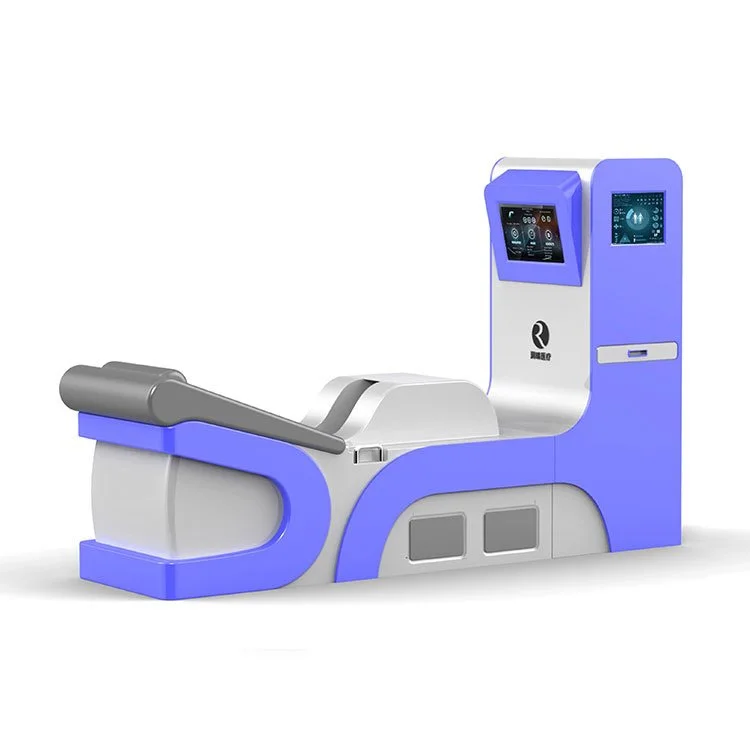
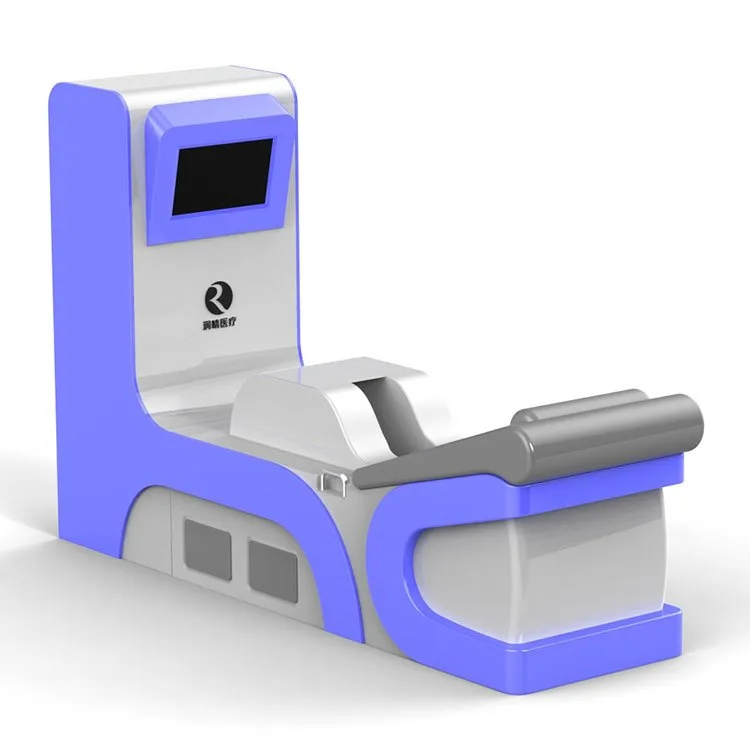
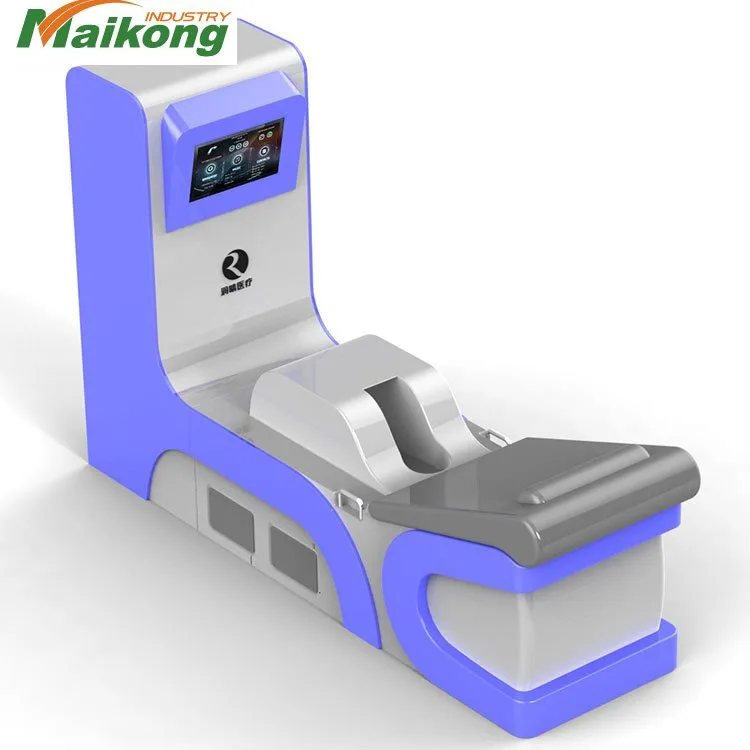
For clinics that also assess equipment options, our MK‑880 series is built for long‑term clinic use and includes the specifications we offer:
| Model | Power / Supply | Structure weight | Declared safety standard |
|---|---|---|---|
| MK‑880 series | 220V‑50HZ‑2KW | 160KG | CE (company declaration) |
We also supply consumables and single‑use kits and can advise on room setup, water source and infection control. Pricing and customised configurations are available on request.
Risks and limitations
Colonics carry predictable risks and some rare but serious complications. Our written materials and training focus on risk reduction and clear referral pathways. Importantly, clinic protocols must not promise medical benefits or replace GP/specialist assessment. If your clinic lacks immediate access to medical advice, be conservative when accepting clients with potentially elevated risk.
Practical next step for UK wellness centres
Contact: Lucy@Colonicmachine.uk or WhatsApp +8613510907401 to request a tailored configuration or a quotation.
Company note: We are MAIKONG Industry Co.,Ltd, based in Shenzhen, China. We manufacture comparable provider machines and declare ISO 9001, CE and ISO 13485 as our production standards. Delivery and installation options in the UK can be discussed on enquiry.
Disclaimer: This content is for health‑management and educational reference only and does not replace professional medical diagnosis or treatment. Do not use this article to make clinical decisions without consulting qualified medical personnel.
This content is provided for learning, information sharing and professional communication only. It is not medical advice and is not a basis for treatment or diagnosis. Confirm suitability, operation and purchasing requirements against the product manual, local regulations and qualified professional guidance.
If you want a clinic‑ready consultation form template, a session checklist adapted to your local policies, or a quote for an MK‑880 configuration and consumables, contact us with details of your room layout and the service model you plan to offer. We can provide machine specifications, packaging and accessory lists, and suggestions for staff training packages suitable for the UK market.
Contact us online by Whatsapp:

Maybe you like also
Copy©2026-2027