Colonic Machine UK Distributor | MAIKONG OEM Factory
About Us| Contact Us

Choosing water filtration and plumbing for colon hydrotherapy clinics in the UK
October 15, 2026
Quick answer
Contents
Direct answer: the simplest, clinic‑ready option for UK buyers
We recommend treating the MAIKONG unit’s internal protections as the baseline and pairing them with a small, easy‑serviced feed stack. Specifically: keep the machine’s inlet 5µm filtration and automatic pipeline cleaning/disinfection (factory feature) as the core protection, install a supply-side sediment prefilter and activated carbon cartridge, and add a microbiological barrier — either a point UV lamp or an ultrafiltration membrane — if your local mains history shows bacterial spikes or you draw from a private supply. Fit a dedicated isolation valve, pressure regulator and a WRAS‑approved backflow preventer on the machine feed; route the unit’s waste to a trapped foul drain with an accessible clean‑out. This configuration keeps consumables low, preserves the MAIKONG inlet filtration life and addresses the common risks clinics see without over‑engineering the installation.
Note: MAIKONG machines provide inlet water filtration accuracy of 5um and offer automatic cleaning, filtering and disinfecting of incoming water as part of their system functions (MAIKONG product information).
Why water filtration and plumbing matter specifically for colon hydrotherapy
Colon hydrotherapy systems both draw and return water through clinical plumbing and rely on controlled flow, stable temperature and hygienic pipelines. Poor incoming water quality shortens cartridge life, fouls peristaltic pumps and heaters, and increases downtime from maintenance. Incorrect drainage, lack of backflow prevention or insufficient pressure control can create risk to both equipment and building services. Our practical aim is to protect the machine’s peristaltic pumps, heaters and internal sensors while keeping routine maintenance predictable for your team.
What the MAIKONG MK‑series already provides for incoming water and pipelines
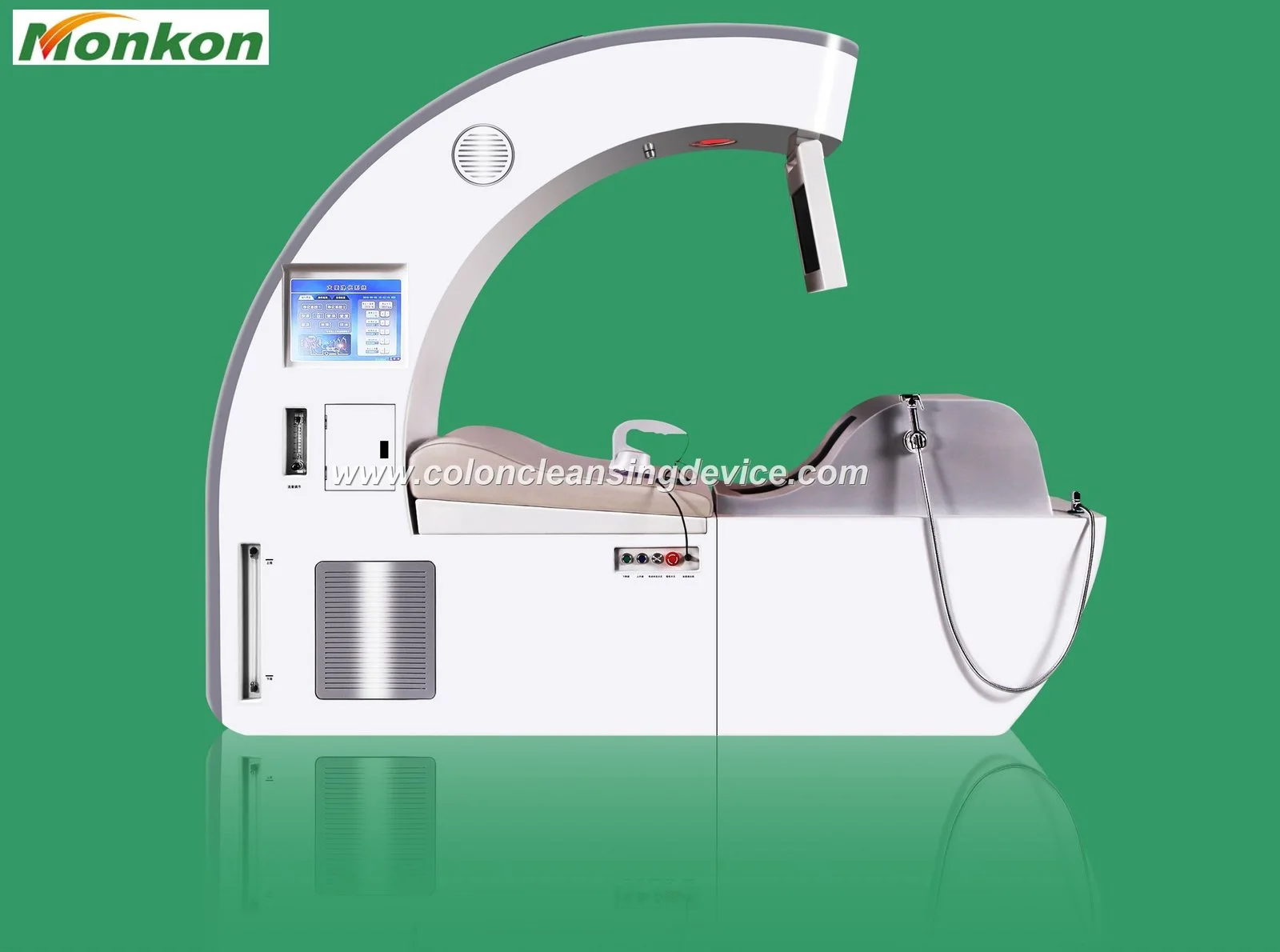
The MK models include several factory features that reduce the scope of external treatments: an automatic pipeline cleaning function plus internal filtering and disinfecting; a specified inlet filtration accuracy of 5µm; and real‑time monitoring that alarms and stops the machine if set pressure thresholds are exceeded. In practice this means the machine will handle fine particulates down to 5µm and has internal routines to purge and disinfect lines — but you should still manage larger sediments, residual chlorine taste/odour and biological risk upstream to preserve consumables and reduce the frequency of internal service.
Key MAIKONG parameters to plan around: water flow adjustment 0–830 ml/min, temperature control range 30–40°C and inlet filtration precision 5um (manufacturer specifications).
Minimum incoming‑water and room plumbing checks to do before you buy
- Ask for a recent mains water quality report for your site (or a simple test for turbidity, chlorine, hardness and microbiology if you use private water).
- Measure static and dynamic supply pressure at the intended feed point; the machine operates within typical mains ranges but needs a stable supply for consistent flow control.
- Confirm available room drainage: install a trapped foul drain sized for waste flow and access for cleaning; the MAIKONG bed and built‑in sewage design make integration simpler but still require a dedicated waste route.
- Check electrical supply compatibility with the chosen model (MAIKONG lists 220V 50Hz for main clinical configurations).
Practical water‑treatment options to pair with the machine (what each solves)
| Treatment stage | What it removes or protects against | When we recommend it |
|---|---|---|
| Sediment prefilter (10–50µm) + 5µm final prefilter | Sand, rust, large particulates — protects downstream cartridges and pumps | Standard for older buildings or high‑turbidity mains; reduces clogging and service calls |
| Activated carbon cartridge | Chlorine, taste, odour and some organics that can affect patient comfort and heater surfaces | Always where residual chlorine or taste/odour is present; inexpensive and easy to replace |
| Microbiological barrier (UV or ultrafiltration) | Bacteria and some protozoa (UV inactivates; UF physically removes pathogens down to small sizes) | If private supply, detected bacterial issues, or clinic policy requires additional microbiological control |
How to match treatment to your local mains: five‑step decision checklist
- Obtain a simple water analysis (turbidity, free chlorine, hardness, microbiology if private supply).
- If turbidity or particulate load is above normal, add a sediment prefilter before the machine’s inlet filter.
- If chlorine residual or taste/odour is present, add activated carbon immediately upstream of the unit.
- If microbiological risk exists (private borehole, history of contamination), add a UV or ultrafiltration barrier after carbon (carbon can reduce UV effectiveness if dirty, so order matters).
- Fit a pressure regulator and shut‑off valve at the machine feed; size the backflow preventer to the machine’s flow profile and local plumbing code requirements.
Plumbing, drainage and waste routing: pragmatic choices for a UK clinic
Use a dedicated supply branch for the hydrotherapy unit with an accessible isolation valve and service union for quick cartridge changeouts. Fit a pressure regulator upstream of the unit if building pressure is variable; sustained pressures above local acceptable limits will trigger machine alarms or stress seals.
Drainage should go to a trapped foul wastewater connection. The MAIKONG systems include integrated sewage facilities in the bed design; connect these to an appointed foul sink or a building drain with a trap and accessible rodding point. Avoid routing waste into rainwater or surface drainage. Fit anti‑siphon arrangements and ensure the drain has sufficient fall to prevent pooling in the bed’s built‑in outlet.
How machine parameters shape your filtration and plumbing choices
The MAIKONG operating parameters determine several practical limits: the device adjusts flow between 0 and 830 ml/min, so prefilters must not reduce available flow below what the machine expects. Very fine upstream membranes (for example, dense RO systems) will require a booster or feed pump to maintain flow — that adds cost and service points. The machine’s temperature range of 30–40°C and an internal maintain of ≈37°C (±2°C) means your hot/cold mixing strategy must deliver consistent inlet temperature; avoid routing high‑temperature domestic hot water directly into the machine. Finally, the internal inlet filtration accuracy 5µm is useful but not a substitute for upstream sediment protection; a coarse prefilter extends disposable lifetimes and keeps peristaltic pumps clean. (Manufacturer parameters referenced.)
Refer to the MAIKONG specification for the water flow range and inlet filtration details when sizing pumps and filters.
On‑site commissioning and acceptance checks you must require from installers
- Demonstration of stable flow across the machine’s operating range (0–830 ml/min) and confirmation that added filters do not starve flow.
- Temperature verification at machine inlet and at the device’s heater setpoints (30–40°C and maintain ≈37°C as required).
- Pressure testing: show supply pressure under idle and operating conditions and validate the pressure regulator/backflow device operation.
- Leak and drain test: run cleaning cycle and verify all joints and waste routing are dry and traps vent correctly.
- Handover documentation: as‑installed plumbing diagram, filter types and change intervals, isolation/shut‑off locations and serial numbers for supplied components.
Common installation pitfalls and how to avoid them
Avoid these recurring problems: installing overly fine membranes without a feed pump (causes low flow), placing carbon before a UV lamp (soot or organics reduce UV dose), connecting to a shared drain without a trap or clean‑out (risk of odour), and neglecting a proper backflow preventer. Also, do not rely solely on the machine’s internal inlet filter for sediment protection — an external sediment stage reduces consumable change frequency and service cost.
Short FAQ for clinic owners
What supply pressure do I need?
MAIKONG machines work from typical UK mains pressure levels; confirm with your installer that dynamic supply pressure will remain stable under use. If your building pressure is inconsistent, include a pressure regulator and show pressure readings during commissioning.
How hard can the water be before I need scale control?
Hard water shortens heater life. If local hardness is moderate to high, consider a small scale‑reduction unit (softener or template inhibitor) ahead of the heater. Don’t presume RO unless other contaminants require it — RO increases maintenance and may necessitate a booster pump to maintain flow.
Do I need backflow prevention?
Yes. Fit a WRAS‑compliant backflow preventer suitable for the unit and the local plumbing code. The device must prevent cross‑contamination between the hydrotherapy supply and building water.
How often should filters and UV be serviced?
Service intervals depend on local water quality and throughput. As a ballpark, check sediment/activated carbon cartridges after the first month of use and move to a planned replacement cadence (often 3–6 months) based on clogging rates and visual pressure drop. UV lamps generally require annual lamp change and periodic cleaning. Record intervals in your handover paperwork so future buyers or auditors see the maintenance plan.
Evidence
We have based the practical recommendations on the MAIKONG product parameters: inlet filtration accuracy 5µm, water flow rate adjustment range 0–830 ml/min and temperature control 30–40°C (manufacturer specifications). These product facts indicate the machine’s internal protective features and operating envelope which drive the external filtration and plumbing choices. For traceability: MAIKONG product details are available at the supplier site (MAIKONG product information).
Risks and limitations
Our guidance uses MAIKONG’s self‑reported machine parameters and general industry practice. We do not substitute for a site survey. Missing evidence includes current country‑specific electrical/installation rules and local water authority requirements for your exact UK location; you must involve a qualified UK plumbing and electrical contractor to verify compliance (including WRAS and building control where applicable). Also, if you draw from private water supplies, obtain a microbiological test prior to selecting the final barrier stage. This article does not provide medical advice or treatment protocols; it is installation and equipment guidance only.
Next step: request a tailored configuration quote from MAIKONG
If you’d like a quotation that lists recommended prefilters, backflow devices and installation notes tailored to your site, email Lucy@Colonicmachine.uk or WhatsApp / call +8613510907401. Tell us your postcode, whether you use mains or private supply, and any measured static pressure and water‑test results you have — we’ll propose a compact stack that balances service intervals and consumable cost for your clinic.
Disclaimer: This guidance is intended for planning and technical decision support only. It does not replace professional plumbing, electrical or medical advice; consult a qualified UK installer and water‑quality professional for site‑specific compliance and health matters.
This content is provided for learning, information sharing and professional communication only. It is not medical advice and is not a basis for treatment or diagnosis. Confirm suitability, operation and purchasing requirements against the product manual, local regulations and qualified professional guidance.
For a UK wellness centre installing a MAIKONG colon hydrotherapy unit, the simplest clinic‑ready route is: accept the machine’s built‑in 5µm inlet filtration and automatic pipeline cleaning as the baseline (MAIKONG MK series) and add a compact pre‑treatment stack upstream — sediment (5µm or coarser), activated carbon and a microbiological barrier (UV or ultrafiltration) where local mains quality requires it. Fit a dedicated supply shut‑off and pressure regulator, an independent trapped drain routed to foul water, and a WRAS‑compliant backflow prevention device sized for the machine. Require installer handover checks for flow (machine range 0–830 ml/min), temperature control (30–40°C) and leak/backflow testing before acceptance. For a tailored configuration and quotation, contact us.
Contact us online by Whatsapp:

Maybe you like also
Copy©2026-2027