Colonic Machine UK Distributor | MAIKONG OEM Factory
About Us| Contact Us

Converting a van for MAIKONG colon hydrotherapy: a practical UK checklist for wellness centres
October 18, 2026
Quick answer
Yes — a MAIKONG colon hydrotherapy system can be used in a properly converted van in the UK, but you must plan for machine footprint and weight, a 220V 50Hz supply capable of handling up to 2000W, a reliable fresh‑water source with pre‑filtration to protect the machine’s 5µm inlet filter, secure sealed waste handling (holding tank or macerator with authorised uplift), and a clinical layout that preserves patient privacy, ventilation and infection control. The details below use MAIKONG product parameters to show which van sizes, power options and plumbing choices work in practice and to help you prepare a site‑specific quote.
Contents
Direct answer: is a van conversion practical for MAIKONG colon hydrotherapy machines in the UK?
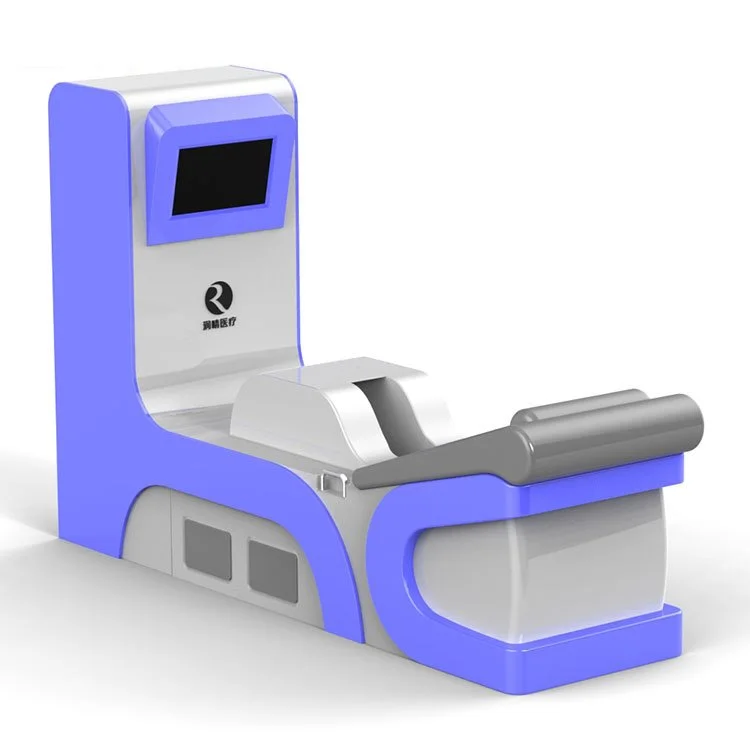
Practically yes — provided you design the vehicle around the machine’s physical size, rated power and water/waste handling features. MAIKONG machines we reference are engineered for clinic use and include integrated bed and sewage features (see the evidence summary). That integration simplifies van plumbing compared with an ad‑hoc retrofit, but it also sets minimum space, floor‑load and access needs: you must allow for the bed footprint, secure anchoring of a 160–185kg machine, access to the machine’s flushing and camera panels, and safe electrical isolation on site. The remainder of this article explains the measurable constraints and the design choices you’ll need to make.
What MAIKONG machine facts matter for a van conversion (summary of verified specifications)
- Rated supply and power: Applicable power supply AC 220V 50Hz; total power not more than 2000W. (MAIKONG specification — see evidence table below)
- Water handling: inlet filtration accuracy 5µm; water flow adjustment range 0–830 ml/min; water temperature control range 30–40°C; intelligent automatic water inlet and automatic stop conditions are built into the system.
- Integrated bed/sewage: the device is supplied as an integrated bed and main‑machine layout with a built‑in sewage arrangement, flush controls and an excretion basin. That reduces external plumbing complexity but requires a sealed vehicle holding‑tank or authorised discharge solution.
- Dimensions and weight: typical examples — MK‑550 main machine and bed dimensions and weights are supplied below; these drive vehicle internal space and floor‑strength planning.
- Consumables & infection control: the system uses disposable guide heads (irradiation sterilisation) and includes automatic cleaning and pipeline disinfection functions — helpful for mobile infection control but still requires documented cleaning workflows in your van.
Machine comparison (compact)
| Model | Power & supply | Dimensions (bed / main unit) | Weight | Water flow / temp |
|---|---|---|---|---|
| MAIKONG MK‑550 | ≤2000W; AC 220V 50Hz | bed 210×80×95cm; main 180×80×75cm | 185kg | 0–830 ml/min; 30–40°C |
Space and weight: vehicle size checklist using MAIKONG bed and main machine dimensions
Start from the machine footprint and add clearance for staff movement, plumbing runs, and patient privacy. Use the model dimensions above (data-fact-id=”114″ and data-fact-id=”116″) when measuring your vehicle’s interior:
- Length: the bed length (example 205–210cm) sets minimum internal cargo length. Allow at least an extra 20–40cm beyond the bed if you need to walk around the head or store consumables.
- Width: the bed width (65–80cm) fits into most high‑roof van bodies, but you must provide an aisle for staff — plan a clear width of at least bed width + 30–40cm.
- Height: machine bed heights (up to ~95cm including backrest travel) need sufficient headroom for patient access and for the machine screens to be usable. Use a high‑roof or pop‑top vehicle where possible.
- Floor loading & securing: the main unit weight (160–185kg depending on model) requires secure anchorage to the van floor and verified load distribution. Fit reinforced floor plates and certified tie‑downs; consult a vehicle converter for approved mounting systems.
- Service access: keep one side clear for camera, flushing, and maintenance panels — the machine’s built‑in camera and flushing ports must be reachable without moving the patient.
Power and electrical requirements to plan in a van (what the machine requires)
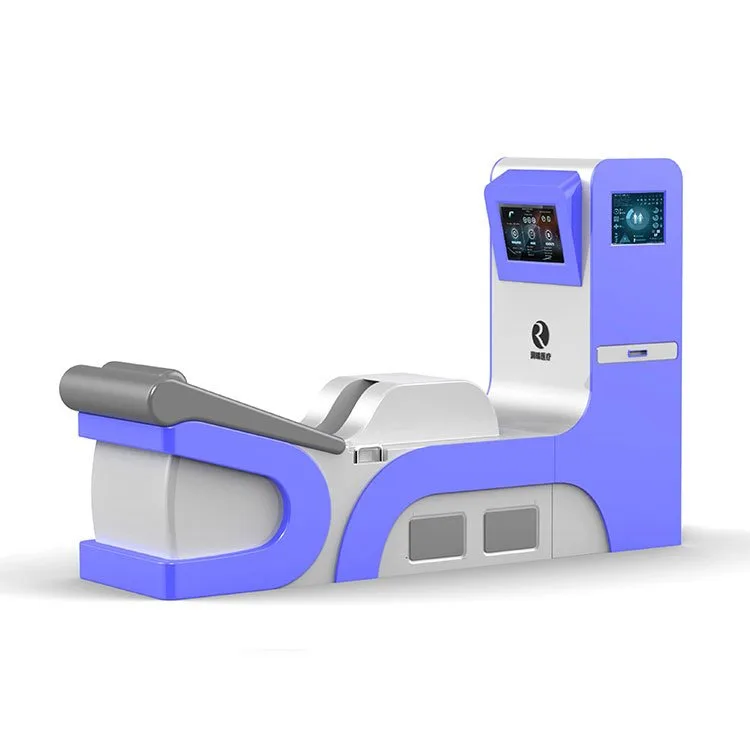
The machine specification lists an AC 220V 50Hz supply and total power up to 2000W (data-fact-id=”114″). That establishes the core electrical requirement but not site wiring or generator selection. Practical options are:
- Hook up to a venue’s 220–240V mains (preferred where available) using an RCD‑protected, dedicated circuit sized and certified by the venue’s electrician.
- On‑vehicle generator or inverter system sized for continuous loads above the machine’s 2000W rating and an allowance for heating or pump start‑currents; have a qualified electrician or installer size and certify the system.
- Portable generator with on‑board RCD and noise mitigation may be used for remote events but check local noise and emissions rules.
We cannot specify the exact inverter/generator model for your vehicle because UK electrical installation rules and on‑board systems vary; consult a qualified electrical installer and show them the MAIKONG power parameters (data-fact-id=”114″).
Water supply and filtration options for mobile use
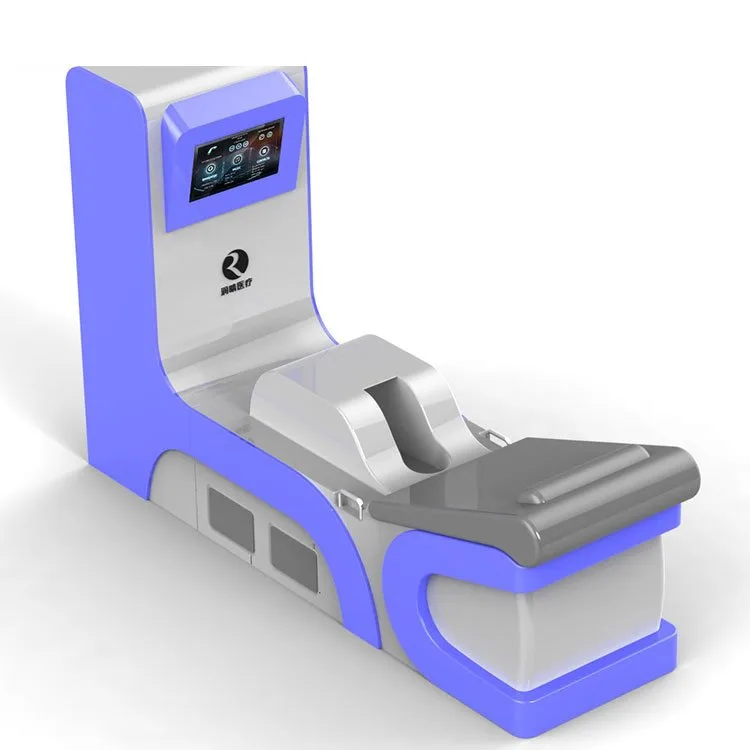
Relevant machine facts: the device performs incoming‑water filtering and purification and the inlet filtration precision is 5µm; the system supports automatic water inlet control (data-fact-id=”114″). For mobile use you have two practical approaches:
- Direct mains connection on site: simplest where mains tap and suitable potable supply are available. Add a pre‑filter and pressure regulator upstream of the machine to prevent debris and pressure spikes reaching the machine’s internal filter.
- Vehicle‑mounted fresh water tank: install an onboard potable tank and a pump that can deliver at least the machine’s maximum flow (machine flow range is 0–830 ml/min). Fit a sediment pre-filter before the machine and routine chlorination/cleaning protocols for the tank.
Design tip: because the machine’s max flow is modest (0–830 ml/min; data-fact-id=”114″), tank volumes are manageable for mobile operations — but calculate tank size from the number of sessions you intend to run and the average treatment time. The machine’s internal cleaning and filtration reduce back‑end maintenance, yet you must still provide an inline pre‑filter and a plan to refill, flush and disinfect the vehicle tank between events.
Sewage and waste handling options for a UK mobile hydrotherapy van
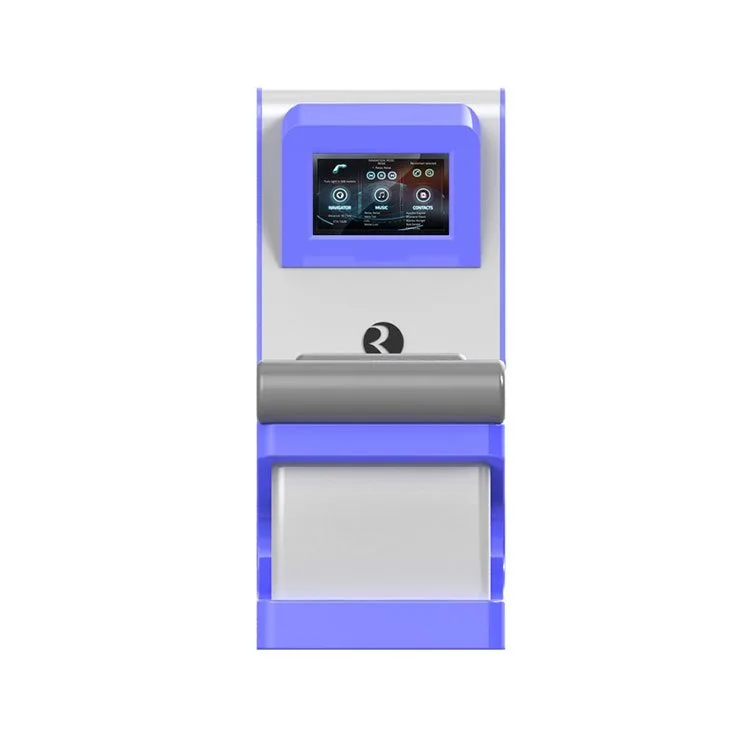
MAIKONG machines include a built‑in sewage system and flush controls (data-fact-id=”114″), but a van still needs an external plan for holding, emptying and legal disposal of human waste.
- Sealed holding tank: the most common solution. Choose a tank material compatible with warm water and detergents, with an accessible pump‑out connection and vents fitted with odour control. Size the tank to contain at least the expected daily waste volume plus margin.
- Pumped macerator discharge: suitable where you have permission to pump to a nearby authorised drain; a macerator reduces solids but does not remove the need for authorised disposal and documentation.
- Licensed uplift: for some operation models you’ll arrange scheduled emptying at an approved facility or via a licensed waste carrier — confirm local requirements with the facility owner and waste carrier beforehand.
Legal note: we cannot provide site‑specific legal advice. You must confirm your chosen waste handling route with the site owner and, where required, with your local environmental or waste‑management authority.
Clinical workflow in a van: safe patient set‑up, privacy, ventilation and infection control
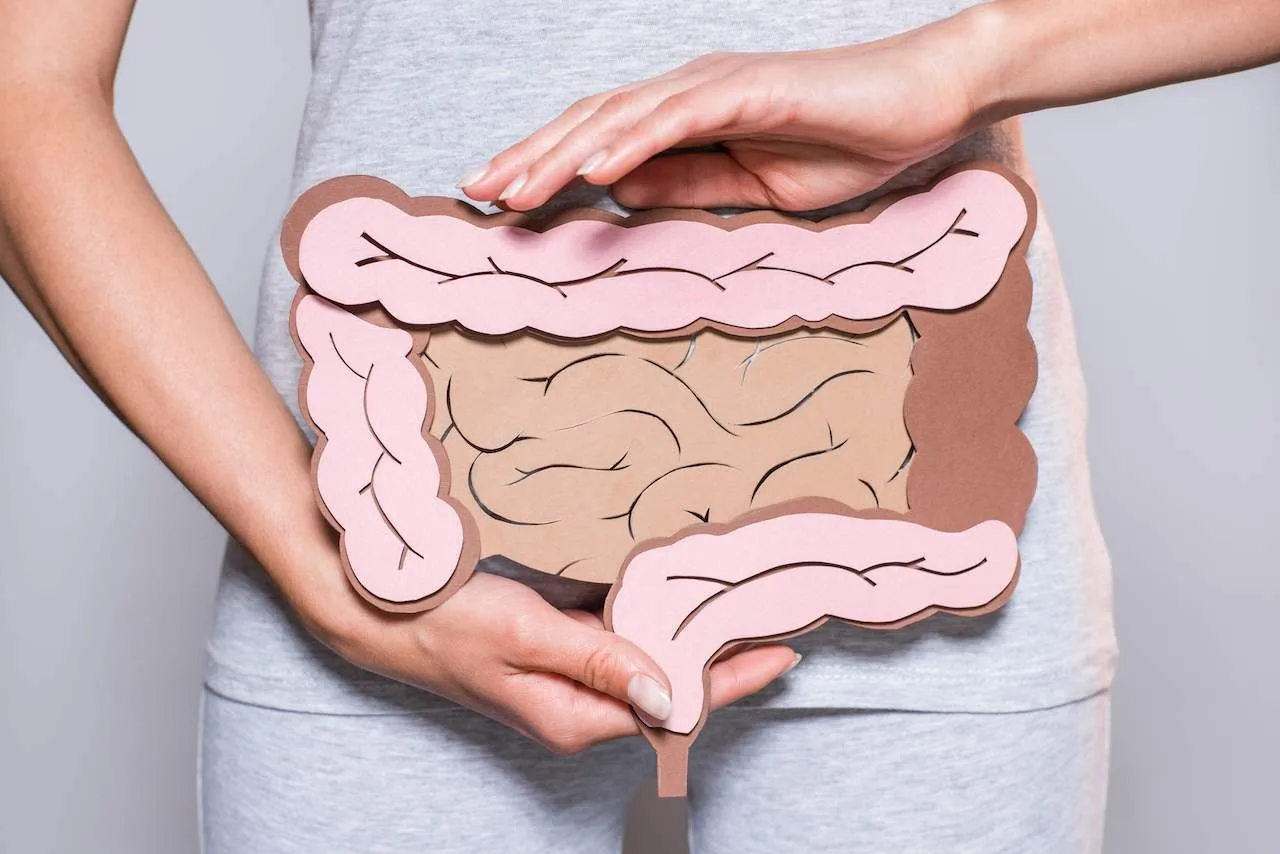
Design the internal layout so staff can perform set‑up and emergency access without moving the patient. Key points informed by the machine features:
- Privacy: use a fixed partition or a zipped clinical curtain and ensure entry/exit does not force a patient through public areas while connected to the device.
- Ventilation: supply mechanical or passive ventilation capable of renewing the air between patients; avoid re‑circulating cabin air during treatment and allow drying time after cleaning.
- Infection control: the system’s disposable guide heads (irradiation‑sterilised) and automatic pipeline cleaning reduce cross‑infection risk (data-fact-id=”114″), but your SOPs must cover PPE, surface disinfection, consumables storage and safe handling of biological waste.
- Emergency access: leave clear aisle space and ensure the vehicle layout allows a patient to be stabilised or transferred to local emergency services if needed.
Plumbing and installation practical steps for a safe mobile build
Practical installation points drawn from the MAIKONG feature set (data-fact-id=”114″):
- Mount the main unit and bed on reinforced floor plates; secure with certified fastenings and anti‑vibration isolation to protect pumps and peristaltic components.
- Run fresh‑water feed lines with an accessible pre‑filter before the machine’s inlet; tie off lines to prevent movement when driving.
- Provide a dedicated waste hose and access port for pump‑out; install a secondary containment tray under the machine as a precaution against leaks.
- Keep the machine’s camera, flushing button and backrest remote accessible from the staff side; confirm there is visual access for monitoring during treatment.
- Label electrical and water isolation points clearly and provide an external access point for the onsite electrician to connect if needed.
Operational limits and safety checks to perform before each mobile clinic day
Pre‑operation checklist highlights, using features built into the machine where applicable (data-fact-id=”114″):
- Verify mains or generator supply and RCD protection; confirm supply is AC 220V 50Hz and within the machine’s rated limits.
- Check water tank level or site supply; confirm pre‑filter is clean and the machine’s water level detection is functional.
- Confirm waste holding tank empty or has sufficient free capacity; test the waste pump/macerator where installed.
- Run the machine’s automatic pipeline cleaning and self‑test routines before the first patient.
- Confirm disposables stock (disposable guide heads) and that staff have PPE and cleaning materials.
- Check environment: operating temperature 5–40°C and relative humidity ≤80%RH are machine operating limits (data-fact-id=”114″).
Sample conversion brief you can send for a site‑specific quote (what to include)
Copy and paste this into an email when you request a conversion quote — it gives the converter the details they need to scope a proper UK build.
Project: Mobile colon hydrotherapy van conversion — quote request

Client: [Your wellness centre name and contact]
Contact: [email / phone]

Machine(s): MAIKONG MK‑550 (data-fact-id="114") and/or MK‑530 (data-fact-id="116") — indicate which model(s) you plan to install.

Vehicle: make/model/age; internal cargo dims (length × width × height in cm); payload capacity and kerb weight.

Daily throughput estimate: planned number of treatments per day.

Power available at sites: list typical on‑site mains access or confirm need for onboard generator/inverter.

Water: intended fresh‑water source (site supply or onboard tank); estimated tank size if required.

Waste: intended waste handling (onboard holding tank, macerator + permitted discharge, scheduled uplift) — include nearest permitted emptying point if known.

Fixtures: requirement for patient privacy partition, ventilation system, service access panels, floor strengthening, anchorage points.

Required deliverables: structural mounting, electrical integration (to UK regs by a Part P / NICEIC electrician), plumbing to holding tank or macerator, commissioning and handover documentation.

Schedule: target delivery date and location for conversion.

Attachments: machine spec sheet (we can supply MAIKONG spec), vehicle photos, floor plans.
Direct evidence summary: MAIKONG model facts used to reach the recommendation
- MK‑550 — bed size 210×80×95cm; main 180×80×75cm; weight 185kg; power ≤2000W; AC 220V 50Hz; flow 0–830 ml/min; inlet filtration 5µm; built‑in sewage and automatic water inlet. Source: MAIKONG product information at colonicmachine.uk.
Risks and limitations you must consider
We present machine specifications supplied by MAIKONG and practical build guidance. Missing evidence noted: we do not provide UK electrical installation certificates, vehicle structural calculations, or site‑specific waste permits. You must instruct a UK‑registered electrician and a vehicle converter to validate inverter/generator sizing, RCD/fuse protection and the structural fixings for your chosen van. You must also confirm local waste disposal responsibilities and, where required, engage a licensed waste carrier or authorised disposal point. The machine data used here are company‑supplied product parameters; they are not a substitute for site‑specific professional surveys.
Next step: how to request a tailored conversion quote from MAIKONG
If you want a site‑specific conversion proposal, send the sample brief above plus vehicle photos to our UK contact and we will arrange a configuration and a quotation. Pricing for machines and conversion work is supplied on request.
Contact for quote and technical details: Lucy@Colonicmachine.uk or +86 13510907401 (phone/WhatsApp).
Short checklist before you book a conversion
- Confirm which MAIKONG model you plan to use (MK‑550 or MK‑530) and attach the spec sheet to the converter.
- Measure internal vehicle dimensions and state payload capacity.
- Decide fresh water source and intended waste route (holding tank vs pumped discharge vs uplift).
- Arrange a UK electrician to verify mains connection options or to size an inverter/generator.
- Define clinical layout: partition, ventilation and emergency egress.
Disclaimer: this article provides practical planning information for mobile colon hydrotherapy conversions using MAIKONG machine specifications. It is for operational and educational purposes only and is not medical advice. Always consult qualified electricians, vehicle converters and local waste authorities before commissioning a mobile clinic.
This content is provided for learning, information sharing and professional communication only. It is not medical advice and is not a basis for treatment or diagnosis. Confirm suitability, operation and purchasing requirements against the product manual, local regulations and qualified professional guidance.
Contact us online by Whatsapp:

Maybe you like also
Copy©2026-2027