
How to Detox: A Safe, Evidence-Aware Guide for the Gut and Colon

Detoxification is the continuous biological process by which the human body neutralises, breaks down, and excretes unwanted metabolic by-products and environmental compounds. Safe detoxification relies on supporting the liver, kidneys, bowel, lungs, and skin through steady hydration, balanced fibre intake, regular movement, and adequate rest rather than relying on extreme cleanses or unverified commercial diets. Understanding how to detox begins with separating established human physiology from aggressive marketing claims.
The appropriate approach depends on whether an individual seeks everyday vitality through sustainable lifestyle measures or requires formal medical intervention for specific clinical issues. Healthcare providers, complementary practitioners, and wellness operators must assess personal health histories, identify contraindications, and maintain realistic expectations before recommending any lifestyle adjustment or supportive therapy.
What Does “Detox” Actually Mean?
In medical science, detoxification refers to specific, acute clinical interventions that manage life-threatening poisoning, drug overdoses, or chemical dependency under hospital supervision. In contrast, popular wellness culture uses the term to describe short-term dietary regimens, herbal supplements, teas, and cleansing protocols intended to purge vague internal toxins. This distinction is vital when discussing how to detox with clients who may hold unrealistic beliefs about rapid bodily purification.
Commercial marketing often implies that the modern body accumulates thick layers of internal waste that normal biological functions cannot address without external intervention. However, healthy physiological mechanisms operate continuously without pausing, filtering blood and expelling waste around the clock. When wellness facilities evaluate cleansing services, communicating these physiological realities helps protect client safety and establishes professional credibility.
Legitimate bodily waste clearance is an ongoing physiological reality driven by vital internal organs, not a temporary event triggered by restrictive juices or powdered supplements.
Everyday physiological support centres on nutrient-dense meals and steady fluid intake rather than quick-fix cleanses.
How the Body Naturally Processes Waste
The human body possesses an integrated network of specialised organs designed to filter circulating fluids, alter chemical compounds, and expel waste. Rather than requiring external cleansing formulas, these organs function synergistically when provided with adequate macro- and micronutrients.
Liver Clearance
The liver acts as the primary biochemical processing centre, transforming lipid-soluble compounds into water-soluble metabolites through dedicated enzymatic pathways. These neutralised substances are then routed into bile for bowel excretion or transferred to the bloodstream for renal filtration.
Renal Filtration
The kidneys filter immense volumes of blood daily, extracting nitrogenous waste products like urea and creatinine alongside excess minerals. These filtered by-products are dissolved into urine and eliminated steadily throughout the day.
Bowel Elimination
The gastrointestinal tract receives digestive residues, cellular debris, and liver bile, compacting them into stool for controlled evacuation. A stable mucosal barrier and regular muscular motility prevent stagnation along the intestinal lumen.
Secondary excretion routes include the respiratory system, which expels gaseous carbon dioxide with every exhalation, and the skin, which releases trace minerals and water via sweat glands. Supporting these organs involves maintaining cardiovascular fitness, pulmonary function, and fluid balance rather than attempting to force artificial clearance through extreme regimens.
Internal elimination pathways operate through dedicated enzymatic and physical processes within major organ systems.
How to Detox Your Gut Through Everyday Habits
When clients ask for practical advice on how to detox your gut, the most effective strategies involve sustainable dietary and behavioural adjustments. The intestinal tract flourishes when supported by steady nourishment that encourages mucosal repair and beneficial bacterial diversity. Understanding how to detox gut environments naturally means focusing on daily consistency rather than periodic purgatives.
- Hydration: Adequate fluid intake softens stool bulk, lubricates the intestinal lining, and facilitates smooth transit through the lower bowel.
- Dietary Fibre: Soluble fibre provides fuel for beneficial microbiota while insoluble fibre adds volume to stimulate natural peristaltic contractions.
- Gradual Adjustments: Increasing fibrous legumes, vegetables, and whole grains incrementally prevents abdominal cramping and excessive bloating.
- Physical Activity: Regular cardiovascular movement stimulates abdominal muscle tone and encourages regular colonic transit times.
- Restorative Sleep: Consistent night-time rest supports the parasympathetic nervous system, which directly regulates digestive secretions and motility.
- Alcohol and Tobacco Moderation: Minimising alcohol and smoking reduces systemic oxidative stress and preserves intestinal barrier integrity.
Aggressive detox powders and stimulant laxatives often disrupt natural bowel rhythms and irritate the gut wall. Clinicians and wellness advisors should encourage clients to adopt structured, sustainable meal patterns that allow the gastrointestinal tract to regulate itself naturally.

Gradual dietary changes rich in soluble and insoluble fibre promote natural bowel motility without artificial stimulation.
How to Detox the Colon: What People Usually Mean
Public interest surrounding how to detox the colon often stems from historical beliefs in autointoxication, the nineteenth-century theory that stagnant faecal matter putrefies within the large intestine and poisons the circulation. While modern gastroenterology has disproven the idea that encrusted waste lines healthy colonic walls, the desire to feel lighter and relieve sluggishness persists among many clinic visitors. Clarifying how to detox your colon requires differentiating physiological evacuation from myths of internal toxic buildup.
Common Public Perceptions
- Belief that pounds of historic waste remain permanently glued to bowel walls.
- Assumption that frequent flushing cures systemic inflammation and chronic ailments.
- Expectation that rapid cleansing reverses years of sedentary habits and poor nutrition.
Physiological Realities
- Intestinal epithelial cells renew every few days, sloughing off older linings naturally.
- Regular bowel movements clear normal digestive residue without needing artificial flushes.
- Long-term vitality depends on digestive enzyme balance, microbiome health, and lifestyle.
When individuals report feeling refreshed after an intestinal cleanse, the sensation often arises from temporary abdominal decompression, reduced gas pressure, and heightened mental mindfulness regarding diet. Practitioners should validate these positive sensory experiences while gently correcting physiological misconceptions.

Educational discussions help clients understand the distinction between subjective lightness and physiological waste clearance.
Colon Cleansing and Colonic Hydrotherapy: What to Consider
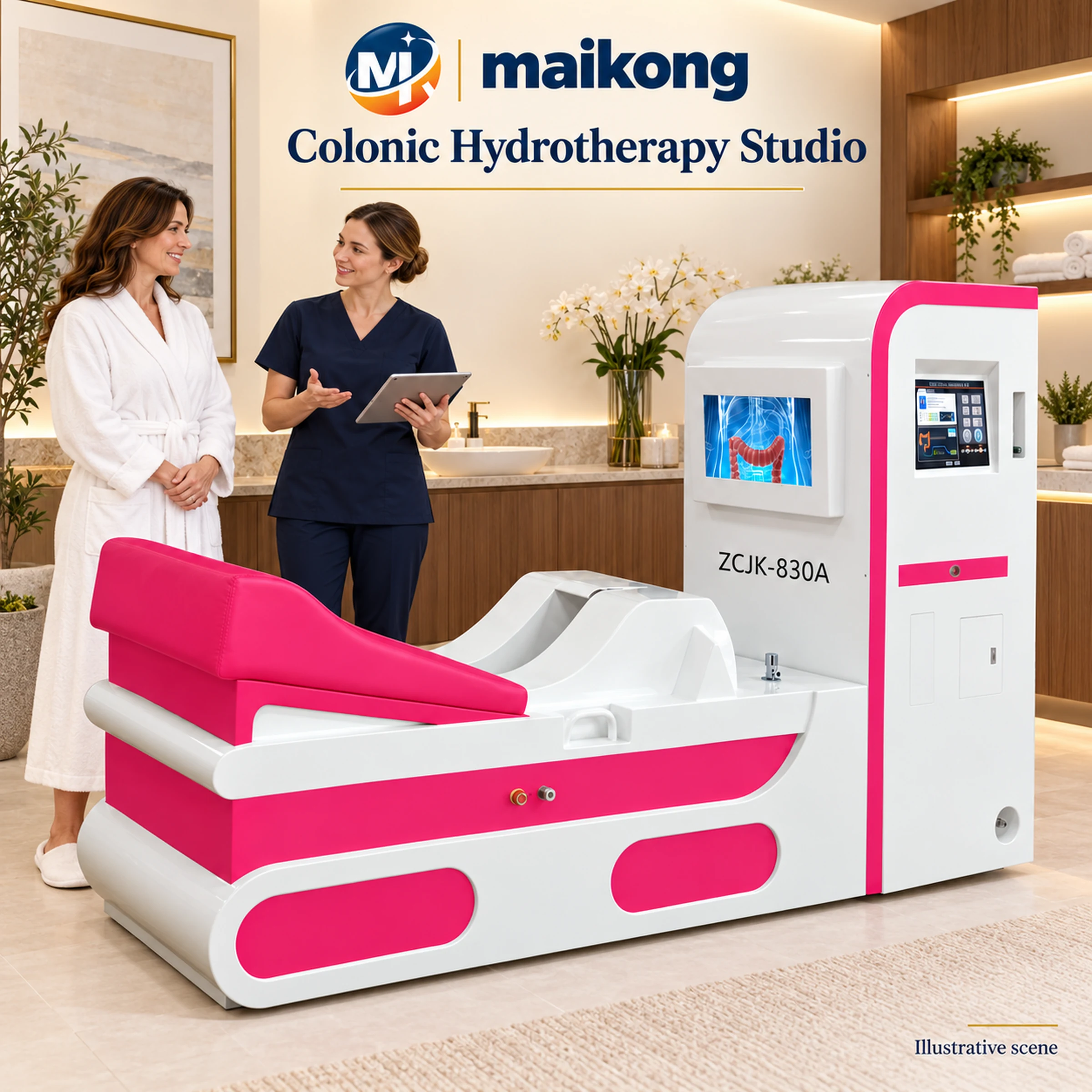
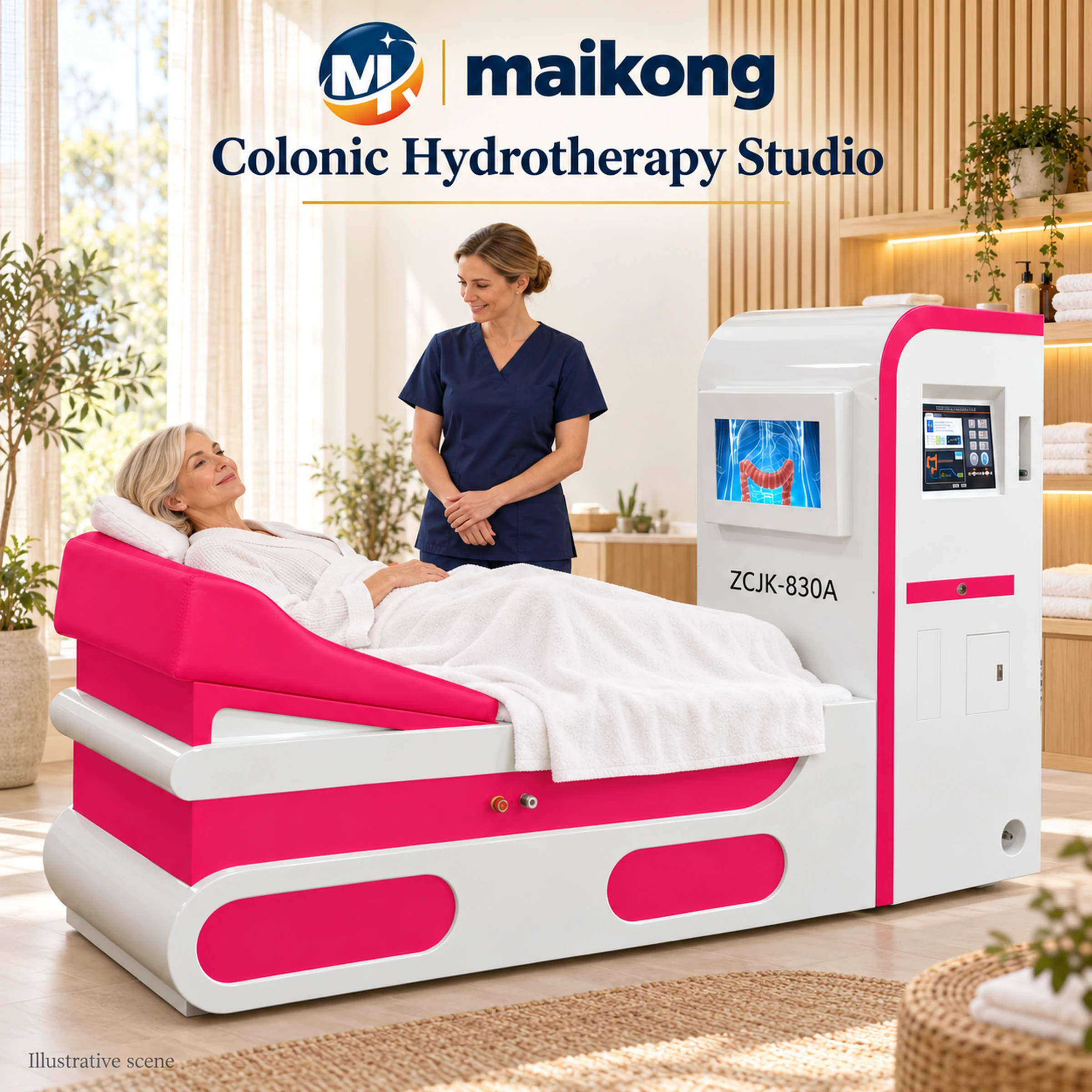
Colon hydrotherapy is a complementary wellness practice that introduces temperature-regulated, filtered water into the large intestine via the rectum to soften and evacuate waste. In medical settings, colonic irrigation may be utilised for bowel preparation before endoscopic diagnostics or specialised surgery. Within commercial therapy rooms, operators use a modern colonic machine to assist clients experiencing sluggish transit, provided proper clinical boundaries are respected.
Therapy centres evaluate several operational considerations, including whether they employ an open couch or a therapist-assisted system, and study how colonic machine works regarding flow monitoring, backflow prevention, and thermal stability. Equipment must feature medical-grade tubing, dependable pressure relief mechanisms, and strict single-use disposables to prevent cross-contamination.
Operational Advantages
- Assists in immediate evacuation of stagnant faecal material in the lower bowel.
- Offers non-pharmacological comfort for clients experiencing occasional sluggishness.
- Encourages clients to reflect on long-term hydration, dietary fibre, and bowel hygiene.
Clinical Limitations
- Does not extract systemic chemical toxins from deep bodily tissues or organs.
- Carries potential risks of electrolyte dilution or mucosal abrasion if mismanaged.
- Cannot substitute for primary medical investigations of persistent bowel changes.
Operators must ensure staff receive certified vocational training, implement strict sanitary disinfection between appointments, and carry comprehensive liability coverage suited to intimate treatments. Treatment protocols should always incorporate transparent screening to verify client suitability.

Rigorous hygiene standards and single-use consumables are essential requirements for client safety during hydrotherapy sessions.
Who Should Avoid Colon Cleansing or Seek Medical Advice First?
Intestinal hydrotherapy and intensive mechanical cleanses are not suitable for every individual. Introducing water volumes into the large intestine alters intraluminal pressure and can stress compromised bowel tissue or systemic circulation. Facilities offering treatments with a closed system colonic machine or alternative apparatus must establish stringent screening protocols to identify red-flag medical conditions.
Anyone presenting with severe abdominal pain, unexplained rectal bleeding, recent bowel surgery, severe anaemia, active diverticulitis, Crohn’s disease, ulcerative colitis, or advanced renal failure must avoid mechanical colon cleansing and consult a registered general practitioner immediately.
In addition, pregnant clients, individuals with severe cardiac conditions, and patients undergoing active cancer treatments should be excluded from commercial hydrotherapy procedures. When prospective clients exhibit chronic changes in bowel habits, significant unexplained weight loss, or persistent nausea, responsible practitioners should halt services and recommend prompt NHS or private clinical investigation.

Comprehensive pre-screening identifies critical contraindications before any complementary bowel procedure commences.
Common Detox Mistakes and Unsafe Claims
A prevalent error in consumer detox culture is engaging in severe caloric restriction, such as multi-day lemon water or juice fasts. These approaches deprive the liver of vital amino acids needed to fuel phase two metabolic conjugation pathways, ironically hindering the body’s natural processing capacity. Understanding practical methods on open system colonic machine or home cleansing regimens requires acknowledging that extreme deprivations weaken muscle mass and metabolic rate.
Another dangerous practice is the chronic consumption of aggressive anthraquinone-based stimulant herbal teas, such as senna, which can induce physical bowel dependency, fluid imbalances, and cramping. Relying on commercial products that claim to control cancer, eliminate parasites, or cure autoimmune conditions places vulnerable individuals at grave risk. Ethical wellness businesses must combat these unfounded narratives by providing balanced, responsible education.
Legitimate digestive health programmes emphasise nutrient sufficiency, balanced dietary protein for enzymatic function, and measured hydration over aggressive chemical or mechanical purging.

Supplying the body with clean water and necessary electrolytes supports natural clearance far better than extreme fasts.
Questions a UK Clinic, SPA or Wellness Business Should Ask Before Offering a Detox-Related Service
Introducing digestive wellness services or complementary irrigation within a UK facility requires rigorous operational planning and professional governance. Commercial premises must comply with local authority public health bylaws, environmental health mandates, and appropriate water regulatory requirements. Facilities exploring equipment such as a colonic machine UK installation must assess their facility readiness across multiple criteria.
- Plumbing and Backflow Compliance: Does the treatment room possess appropriate Category 5 backflow protection to keep the municipal water network safe?
- Ventilation and Waste Management: Are extraction systems and direct-to-drain sewage waste connections engineered to maintain pristine odourless environments?
- Practitioner Qualifications: Have staff completed accredited training that covers functional anatomy, contraindication recognition, and hygiene procedures?
- Informed Consent Procedures: Are intake records transparent, detailing the procedure, limitations, and potential adverse reactions before consent is signed?
- Emergency and Referral Pathways: Does the clinic maintain clear protocols to handle client faintness, distress, or immediate referral to local medical facilities?
By resolving these governance considerations, wellness centres, private nursing facilities, and boutique therapy studios protect client well-being and maintain an impeccable reputation within the UK complementary health sector.

Proper plumbing connections and environmental health considerations are critical foundations for any therapy installation.
How to Evaluate a Professional Service or Business Supplier
When selecting professional equipment for clinical or wellness premises, procurement managers and enterprise investors must evaluate technical reliability and manufacturing standards. Identifying the best colonic machine for a facility involves assessing build materials, safety fail-safes, and ongoing manufacturer support. Analysing the wider colonic machine market enables commercial buyers to balance capital expenditure against long-term operational durability.
| Evaluation Metric | Recommended Standard | Operational Significance |
| Temperature Control | Automated 37C Regulation | Prevents thermal shock to the colon and maintains client comfort throughout. |
| Pressure Safeguards | Dual Relief Valves | Protects the intestinal lumen by preventing excessive pressure accumulation. |
| Disinfection Systems | Integrated Line Flush | Allows thorough automated internal line cleansing between distinct therapy sessions. |
| Manufacturing Standards | CE Certified Compliance | Verifies electrical and mechanical safety compliance for commercial installations. |
Procurement teams should examine technical warranties, availability of replacement parts, and training provisions before entering distribution or purchasing agreements. Working with experienced manufacturing partners reduces equipment downtime and maintains reliable service standards across private clinics and wellness resorts.

Thorough hardware inspection and pressure verification protect client comfort and operational longevity.
Frequently Asked Questions
How to detox your gut?
To support gut health naturally, consume adequate water, eat a variety of fibre-rich vegetables, and stay physically active. Avoid severe laxative cleanses that disrupt the intestinal lining or disturb healthy bacterial balance.
How to detox the colon?
The colon empties itself through regular muscular peristalsis supported by adequate dietary roughage and sufficient daily hydration. Those considering complementary hydrotherapy should verify practitioner qualifications, operational hygiene, and personal medical suitability beforehand.
How to detox gut naturally?
Gradual dietary improvements, including whole grains, pulses, and fermented foods, provide steady nourishment for gut microflora. Managing everyday stress and securing restful sleep further support healthy digestive secretions and regular bowel transit.
How to detox your colon safely?
Safe bowel clearance relies on steady dietary fibre, avoiding unverified rapid purges, and seeking medical screening if persistent symptoms arise. If selecting commercial irrigation, confirm that the facility utilises single-use disposables and regulated water controls.
Does drinking more water detox the body?
Drinking appropriate amounts of water supports the kidneys in filtering waste products and keeps stool soft for bowel elimination. Excessive water intake beyond physiological need does not accelerate clearance and can disrupt blood electrolyte balance.
Is a detox programme suitable for everyone?
No, restrictive detox diets and mechanical bowel flushes are unsuitable for pregnant individuals, people with kidney issues, and those with inflammatory bowel disorders. Anyone taking chronic medications should seek guidance from a doctor before adjusting their regimen.
Can colon cleansing replace medical treatment?
Colon cleansing cannot replace medical diagnosis, targeted pharmacological treatments, or surgical interventions for gastrointestinal diseases. It functions purely as an adjunct wellness service or specific clinical preparation under medical supervision.
When should someone speak to a GP?
Individuals should consult a GP immediately if they experience persistent alterations in bowel frequency, chronic abdominal cramping, unexplained weight loss, or rectal bleeding. These symptoms require formal medical evaluation rather than self-directed detox attempts.
Professional Wellness Equipment and UK Distribution
MAIKONG is an established professional equipment manufacturer based in SZ, GD, providing reliable colonic hydrotherapy apparatus to international private clinics, spa centres, and healthcare distributors. The company supports wholesale buyers, medical equipment importers, and wellness studio entrepreneurs with flexible OEM options, custom branding, and comprehensive technical documentation. Facilities exploring investment requirements can review current colonic machine price options or inspect units listed within the colonic machine for sale portfolio.
Organisations interested in learning more about MAIKONG manufacturing capabilities, quality certifications, and direct supply relationships are invited to connect with the commercial team. UK businesses seeking dealership rights or wholesale agency opportunities can establish a direct line of communication for tailored trade terms.
Become a MAIKONG UK Distribution Partner
Clinics, importers, and regional wellness distributors seeking professional equipment supply and factory direct support can initiate a trade enquiry today.
Conclusion
Understanding realistic waste elimination allows healthcare professionals, complementary therapists, and wellness operators to guide clients toward evidence-aware choices. The human body maintains sophisticated, continuous detoxification pathways through the liver, kidneys, and gastrointestinal system when sustained by balanced nutrition, regular hydration, and sensible movement. Prioritising medical screening, high hygiene standards, and balanced lifestyle measures preserves client trust while fostering safe, sustainable health outcomes.