Colonic Machine UK Distributor | MAIKONG OEM Factory
About Us| Contact Us

Angel of Water colonic: What UK spa owners need to know before enquiring
September 23, 2026
Quick answer
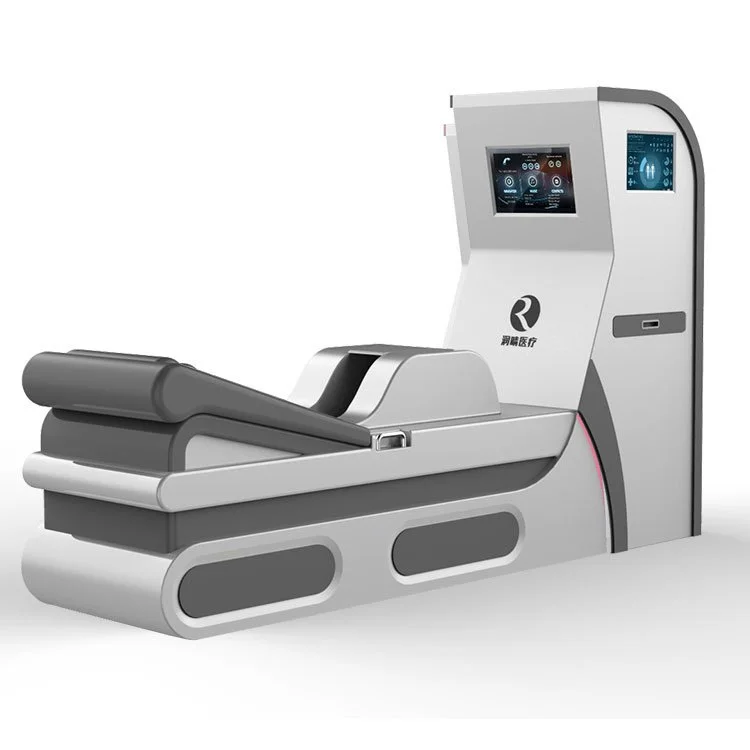
Short version: yes — the Angel of Water comparable provider (MAIKONG range, e.g. MK-540 family) can be configured for professional spa use, but it is not a plug‑and‑play decision. The device offers features spa owners care about (temperature control 30–40℃, adjustable flow 0–830 ml/min, disposable guide heads, peristaltic pumps, built‑in sewage/bed integration and real‑time pressure alarm), all of which materially affect running costs, room layout and staff training. Before you request a quote, confirm local electrical and wastewater requirements, which are not covered in the supplied specifications. For a comparable reply ask suppliers for model, options, site plumbing and installation notes, consumable pricing and training provision.
Contents
Quick evidence summary — supplier‑confirmed features you can rely on
We list the MAIKONG features most relevant to a spa operator, drawn from our product information for Angel of Water / MK series:
- Instrument type declared as Class II Type B; total power up to 2000W and stated supply range 110–220V 50Hz (confirm UK wiring at enquiry).
- Water flow adjustment range: 0–830 ml/min; stated water temperature control 30–40℃ with an ability to maintain about 37℃ ±2℃.
- Filtration and inlet filtration accuracy reported as 5 µm; automatic pipeline cleaning, disinfection and impurity filtration are included.
- Hygiene consumable: disposable guide head by irradiation sterilisation.
- Operational safety: real‑time intestinal pressure monitoring with automatic alarm/stop, automatic over‑temperature and over‑pressure power‑off protection, anti‑dry burning for heaters and automatic stops for overflow/timeout/exhausted liquid conditions.
- Bed and room integration: a functional spa bed with excretion basin and built‑in sewage system is offered so the bed and sewage facilities form an integrated unit.
- Ancillary options mentioned: dual inlet/outlet (infusion of liquids such as coffee or probiotics), external scale medicine cup for measured additions, built‑in camera for observation, dual‑screen operation/entertainment displays and peristaltic pumps (supplier states German‑imported medical peristaltic pumps, dual pump control).
- Consumable and operating environment notes: noise ≤65 dB; operating ambient temperature 5–40℃; inlet water filtration 5 µm; disposable guide heads supplied.
Practical takeaway: these are supplier‑declared mechanical, electrical and consumable facts you can use to compare configurations. We flag the electrical supply and waste discharge items below because they require UK site checks.
Which features matter for daily spa use (safety, hygiene, client comfort)
From a spa perspective you will use a comparable provider device as part of a treatment experience, so prioritise features that reduce room turnaround time, lower infection risk and protect clients:
- Disposable guide heads — the single biggest operational hygiene control. MAIKONG supplies disposable guide heads with irradiation sterilisation, which simplifies cross‑infection control compared with reusable heads.
- Automated pipeline cleaning and water filtration — built‑in automatic cleaning and a 5 µm inlet filter reduce manual disassembly and cleaning time; still plan a written SOP for end‑of‑day deep cleaning.
- Real‑time pressure monitoring and automatic stop — pressure alarms and automatic stop behaviour are essential safety features in a commercial setting and are listed as included.
- Temperature control and comfort — the machine’s temperature control range (30–40℃) and ability to keep water near 37℃ ±2℃ matter for client comfort; confirm how the machine displays and logs temperature for staff reassurance.
- Bed integration and privacy — an integrated spa bed with an excretion basin and built‑in sewage makes the treatment more discrete and practical in a spa layout, but it increases layout and drainage requirements.
- Noise and ambient environment — supplier noise ≤65 dB; consider this when placing the treatment room adjacent to relaxation areas.
Essential technical parameters to check before you request a quote
Use these specific parameters to compare like with like in supplier replies. The values below come from the MAIKONG product record and should be quoted back to the supplier if you want the same configuration.
- Power: rated up to 2000W; supply stated 110V–220V 50Hz. For UK use confirm a 220–240V 50Hz wiring and required breaker/circuit.
- Water flow adjustment: 0–830 ml/min (0–1.5 L/min also appears in some records). Ask which range applies to the exact model quoted.
- Temperature control: 30–40℃ control range; maintain ~37℃ ±2℃ per supplier data.
- Filtration: inlet filtration accuracy 5 µm; confirm change frequency and spare part costs.
- Consumables: disposable guide head (irradiation sterilisation). Ask for per‑unit cost, pack sizes and shelf life.
- Pumps: peristaltic pump(s) — supplier states professional German import, dual pump control; ask for pump model and expected maintenance interval.
- Physical footprint and weight: bed size 200×75×95 cm; main machine 185×75×70 cm; weight ~170 kg — these figures affect room space, doorway access and floor loading.
- Lead time and MOQ: supplier information lists MOQ 1 PCS and lead time 15 days; confirm these on your quote.
| Parameter | Declared value |
|---|---|
| Instrument type | Class II Type B |
| Power | 2000W; 110–220V 50Hz (confirm 220–240V for UK) |
| Flow adjustment | 0–830 ml/min |
| Temperature control | 30–40℃ (maintain ≈37℃ ±2℃) |
| Inlet filtration | 5 µm |
Room, plumbing and waste: practical site requirements for a spa treatment room
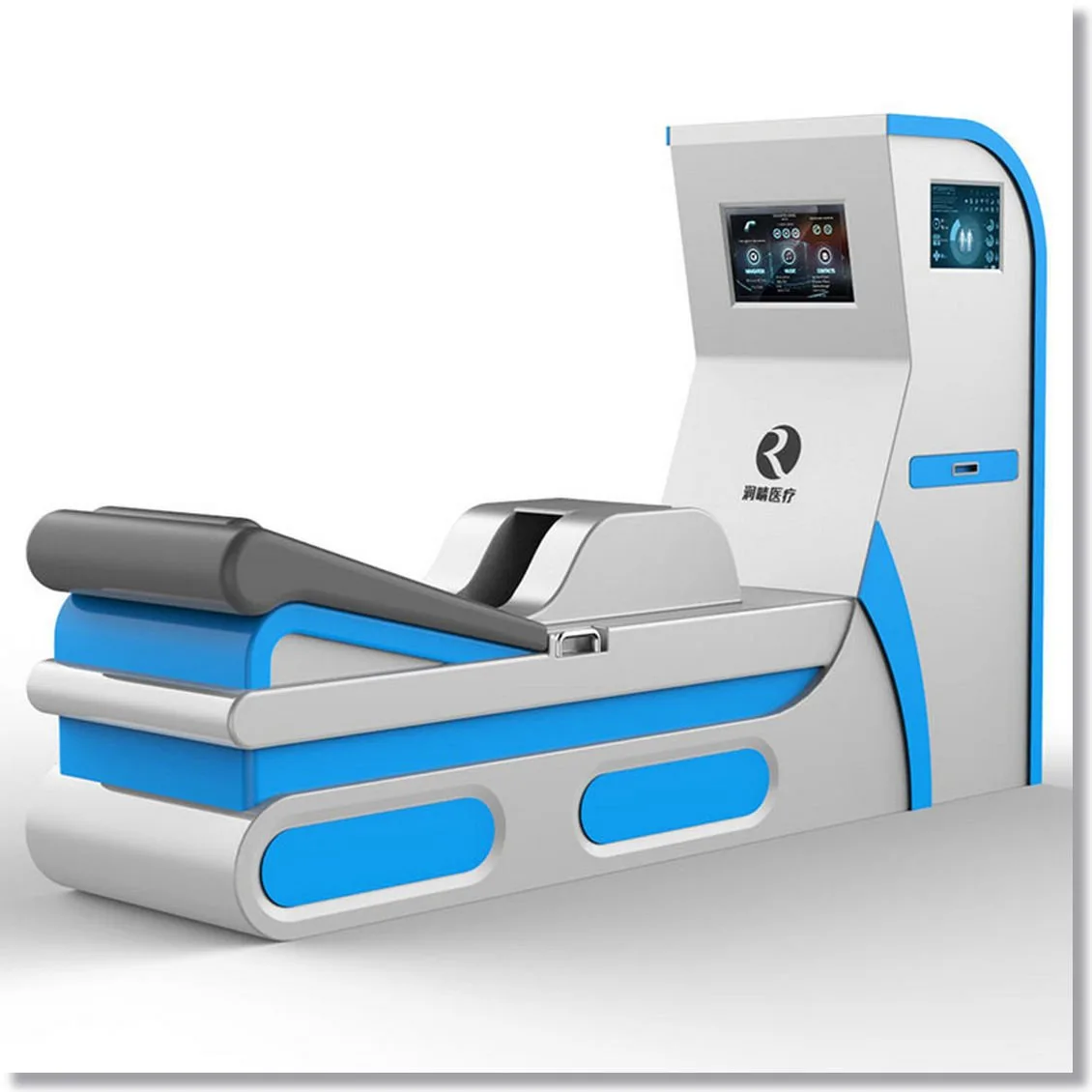
The supplier provides an integrated bed plus a built‑in sewage system, but the presence of a built‑in sewage system does not remove local responsibilities. Before purchasing:
- Confirm mains cold and hot water availability and recommended inlet pressure; the product data lists water pressure as 0.6 Pa in some records — ask the supplier to clarify the required working pressure and units.
- Plan for suitable drainage and floor fall plus a trap or macerator if required by local building and sewer regulations; local councils and building inspectors may require specific connection details for clinical wastewater.
- Allow room dimensions for the bed footprint (bed 200×75×95 cm; main machine 185×75×70 cm) and at least one staff side clear for access and patient privacy.
- Check floor loading for a ~170 kg machine plus bed and a seated client; ensure doorways and lifts can take the largest module.
- Request the supplier’s installation sheet and a site survey if you need MAIKONG or a local engineer to confirm connections and electrical supply compatibility.
Staffing and training: the minimum competencies your team must have before offering treatments
A comparable provider device needs an operator who understands contra‑indications, client consent, infection control and the device’s operational limits. We recommend:
- A practitioner trained in recognised colon hydrotherapy courses and competent in client assessment and emergency procedures (we note there are accredited courses available in the UK for practitioners — see industry training providers for course detail; this is background context, data-prepared reference: advanced colon hydrotherapy courses for qualified practitioners).
- In‑house SOPs covering single‑use consumables, pipeline cleaning, post‑treatment room cleaning and waste handling.
- Competence in basic electrical safety checks, reporting faults to engineering support and use of the machine’s safety alarms and emergency stop functions.
Operational controls and infection prevention included in the machine
MAIKONG documentation lists several automated and manual controls that reduce infection risk and operator error: disposable guide heads; automatic pipeline cleaning, filtering and disinfection; intelligent automatic water inlet and level detection; automatic stop conditions (overflow, timeout, over‑temperature, liquid exhausted); and pressure alarms. These are useful but do not replace your clinic’s infection control policy — you must document how you will use and dispose of consumables and record cleaning cycles.
Configuration choices that change how you will use the machine
Several optional configurations materially change the room requirements, operating protocol and price. Ask whether each option is standard, optional or a retrofit:
- Dual inlet/outlet and medicine infusion — allows measured infusion of solutions (coffee, probiotics etc. are mentioned in supplier material). Infusion capability requires written clinical protocols and secure, metered dosing; also ask about storage and labelling of additives.
- Built‑in camera — useful for observation and training, but raises privacy, consent and records‑management questions. If you plan to record images for training, ensure client consent and secure storage procedures.
- Bed integration vs standalone unit — integrated beds simplify the client journey but increase drainage and installation complexity; standalone machines may be easier to move or replace.
- Dual screens and entertainment display — increases client comfort but is cosmetic rather than clinical; confirm whether the second screen is standard or optional and if it affects price.
What the supplied specifications do not cover for the UK market
The product record is detailed on mechanical, electrical and hygiene features, but it does not establish UK‑specific installation approvals or local regulatory compliance. In particular:
- The documentation we have does not include UK electrical installation compliance notes (e.g. BS 7671/particular fixed wiring arrangements), nor does it specify the UK plug or dedicated circuit requirements.
- The supplied description of a built‑in sewage system does not substitute for local wastewater discharge permissions, trade effluent considerations or building control approvals.
- No clinical claims or treatment outcomes are supplied as verified evidence — the machine is an equipment supply and not a substitute for clinical judgment or medical diagnosis.
Practical step: include a local electrician and your facilities manager in the quotation process so installation scope and costs are visible before ordering.
Supplier questions to ask next — a short quotation checklist
Send this checklist with any enquiry so suppliers return comparable quotes:
- Exact model and configuration name (e.g. MK‑540 or MK‑880) and which options are fitted — bed integration, camera, dual inlet/outlet, dual screens.
- Electrical requirements confirmed for UK mains (confirm 220–240V 50Hz, breaker size and plug type) and whether an isolation transformer is needed.
- Installation scope: does the price include on‑site installation, commissioning and a site survey?
- Shipping terms and packaging dimensions (use bed 200×75×95 cm / machine 185×75×70 cm; weight ~170 kg as a guide).
- Consumables: guide head cost, pack sizes, expected usage per treatment and recommended stock holding.
- Spare parts list (peristaltic pump model, filters), warranty terms and availability of local service or remote technical support.
- Training: what practitioner training or operating manuals are included or available as an extra?
- Declared certifications (our declared certifications include ISO 9001, CE and ISO 13485) — request copies of certificates and scope.
- Lead time and MOQ (supplier record lists MOQ 1 PCS and a lead time of 15 days; confirm these on quote).
How to evaluate a supplier reply: evidence, lead time, after‑sales support and warranty
When comparing replies, we advise you to weight replies by:
- Evidence: ask for the product datasheet, user manual and certification scans so you can show them to your facilities/clinical leads.
- Installation & support: a supplier that offers local installation or approved local partners will reduce risk. If only remote support is offered, clarify expected spare‑part delivery times and who will perform on‑site repairs.
- Consumables and life‑cycle costs: a low unit price on the machine can be offset by high recurring consumable or pump replacement costs — get specific figures for guide heads, filters and pumps.
- Warranty and returns: confirm what the warranty covers (labour, parts, shipping) and how warranty repairs are handled in the UK.
Direct next step — request a tailored configuration or quote from MAIKONG
If you would like a tailored quote from us, include the following in your enquiry so we return an accurate, comparable proposal:
- Desired model (MK‑540 or MK‑880) and options required (bed integration, camera, dual inlet/outlet, medicine infusion).
- Site details: room dimensions, available circuit specification (voltage, breaker), water supply type and drain arrangement, doorway widths and floor construction.
- Estimated monthly treatment volume and preferred consumable stock policy (so we can recommend pack sizes and spares).
- Whether you require installation by MAIKONG or a local engineer and whether training is required on site.
We manufacture the Angel of Water series in Shenzhen and support OEM/ODM for spa operators in the UK. For a site‑specific quotation, please send the checklist items above to Lucy@Colonicmachine.uk or call / WhatsApp +8613510907401 with your room photos and brief site notes.
Disclaimer: this article provides equipment, configuration and site‑planning information for spa operators. It is for operational and educational use only and does not substitute for professional medical diagnosis or treatment. We do not make clinical or therapeutic claims about treatment outcomes. Always follow local UK regulatory, building control and clinical governance requirements when installing and operating comparable provider equipment.
This content is provided for learning, information sharing and professional communication only. It is not medical advice and is not a basis for treatment or diagnosis. Confirm suitability, operation and purchasing requirements against the product manual, local regulations and qualified professional guidance.
Contact us to start that conversation: email Lucy@Colonicmachine.uk or call / WhatsApp +8613510907401. You can also read more on our Angel of Water product page or our UK overview pages:
Contact us online by Whatsapp:

Maybe you like also
Copy©2026-2027