Colonic Machine UK Distributor | MAIKONG OEM Factory
About Us| Contact Us

Colonic health for UK spa owners: what buyers and practitioners need to know
September 22, 2026
Quick answer
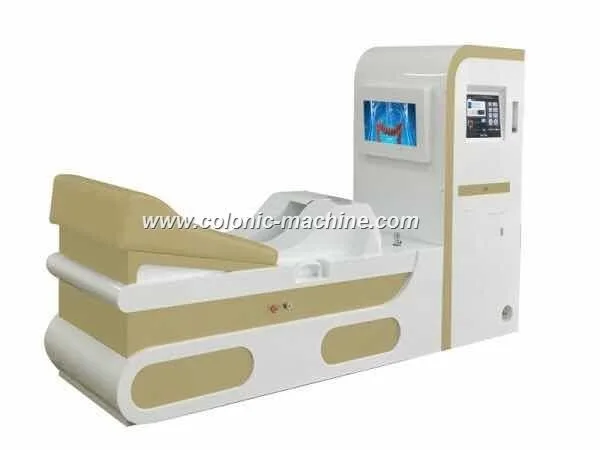
Yes — a UK spa can practically offer comparable provider‑health services, provided you treat them as a regulated, clinical‑style addition to your menu: install a purpose‑built machine with pressure and temperature safety controls, restrict treatments to trained practitioners, run a robust triage and consent process, and meet simple room, plumbing and waste arrangements. The MAIKONG MK‑540 (MK series) supplies many practical features you should expect—pressure auto‑stop, disposable guide heads, 0–830 ml/min flow control and 30–40°C temperature control—but legal and clinical boundaries remain the spa’s responsibility (training, client selection and local electrical/plumbing compliance).
Contents
Direct answer: can a UK spa practically offer comparable provider‑health services today?
Short answer: yes — but only if you treat the service as a clinical adjunct, not a typical spa facial. That means allocating a private room with closeable doors, a dedicated treatment bed and sewage handling, documented practitioner competence, an evidence‑based triage and consent process, and equipment with built‑in safety features (pressure monitoring, temperature control, single‑use consumables). You must also be clear about what you are and are not offering: this content is for business and educational purposes and does not replace medical advice.
What “comparable provider health” means for a spa owner — realistic scope and client expectations
Many potential clients search for “comparable provider health” expecting relief from bloating or detox claims. In a spa setting, present the service as a hygienic irrigation procedure that supports bowel care under practitioner supervision. Avoid medical promises about diagnosing or curing disease. Operationally, clients expect privacy, dignity, accurate pre‑screening, and predictable aftercare (fluids, light food, and verbal safety checks).
Which clients you should accept in a spa setting and which you must refer
Accept: generally healthy adults who understand the non‑medical scope of the treatment and pass a written triage form.
Refer or decline: anyone with recent abdominal surgery, diagnosed inflammatory bowel disease, active gastrointestinal infection, uncontrolled cardiovascular disease, severe anaemia, pregnancy, known colorectal cancer, or any unclear bleeding. If a client mentions serious or ongoing medical conditions, instruct them to seek GP assessment first. These are broad red flags — clinical judgement and guidance from a qualified medical professional should always prevail.
Minimum training and competencies your practitioners need before offering treatments
We insist practitioners hold accredited colon hydrotherapy training and evidence of competence in:
- Client triage and informed consent;
- Infection prevention and single‑use consumable handling;
- Recognising adverse signs and emergency escalation (basic life support awareness);
- Machine operation: pressure alarms, flow and temperature settings, cleaning cycles and troubleshooting.
Advanced courses and accredited programmes exist specifically for qualified practitioners who wish to deepen their knowledge and refine technique.
Core room and facility requirements for safe, comfortable service delivery
- Private treatment room with a lockable door and a non‑carpet floor.
- Close access to a WC and handwashing sink (separate is preferable).
- Dedicated drainage point or capture basin integrated with the machine bed; avoid running drainage into public areas.
- Stable, earthed power supply sized to the machine (supplier lists 110–220V, 50Hz options; check local electrician).
- Storage for disposable consumables and clean linens; clinical waste bin (sharps not expected, but soiled disposables need safe disposal).
- Ventilation and adequate lighting; slip‑resistant surfaces and easy‑clean finishes.
Key equipment features that matter in daily use (what to check on any spec sheet)
When vetting machines, prioritise features that reduce risk, speed setup and protect dignity:
- Real‑time pressure monitoring with automatic alarm and shut‑off.
- Precise flow control (the ability to set 0–high flow ranges) and adjustable temperature control.
- Single‑use, irradiation‑sterilised guide heads and per‑client disposable tubing.
- Built‑in pipeline cleaning, filtration and disinfection features to reduce staff handling time.
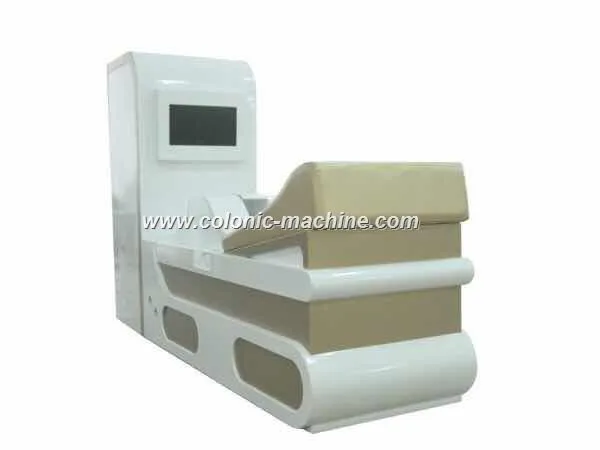
- Integrated bed or basin design allowing clients privacy for toileting during treatment.
- Clear user interface: touch operation and observation display for the practitioner.
- Consumable availability and straightforward sterilisation or disposal instructions.
Supplier‑confirmed example specification (MAIKONG MK‑540 / MK series) and what each parameter means in practice
The following key parameters are provided by the supplier for the MK series; they indicate the machine is designed for professional spa/clinic use. We present each value with a practical note.
Service workflow: simple front‑desk triage and a five‑minute pre‑treatment checklist
Keep the client journey clear and short:
- Front desk: brief verbal check for age, pregnancy, recent surgery and known major illnesses; book a longer consultation if any red flags appear.
- Pre‑treatment consultation (5–10 minutes): written triage form, check recent medications, explain scope, obtain signed informed consent and explain post‑treatment self‑care.
- Prepare room: machine self‑check (pressure alarm test, consumables fitted), bed linens, towel and a glass of water ready.
- Operator checks with client: comfort, last food/drink, pain scale, and confirms emergency contact details.
- Record session start and finish times and any incidents on the client record.
Hygiene, consumables and disposal practices you must provide
- Use single‑use, irradiation‑sterilised guide heads per client as specified by the supplier.
- Follow manufacturer instructions for automatic pipeline cleaning and disinfection between clients.
- Dispose of effluent and soiled consumables into clinical waste streams per local regulations.
- Maintain a sharps policy if you ever introduce needles/enema syringes (most machines do not), and document all waste handling procedures.
Practical risk controls and red flags to refuse treatment
Implement a low‑threshold refusal policy. Common red flags include:
- Recent abdominal or colorectal surgery;
- Active inflammatory bowel disease flare, diverticulitis or unexplained rectal bleeding;
- Pregnancy;
- Severe heart disease, uncontrolled hypertension or anticoagulant therapy that isn’t medically cleared;
- Severe haemorrhoids or fissures causing significant bleeding.
If a client presents any of these, stop and refer them back to their GP or appropriate clinician. Keep written triage records for every client.
How to decide between closed‑system, open‑system and add‑on infusion features for your business
Choice depends on your risk tolerance, room layout and client expectations:
- Closed‑system machines keep a physical separation between client effluent and machine water paths; they’re tidier and often preferred in spa environments for dignity and infection control.
- Open‑system setups may be simpler or cheaper but require stricter drainage and privacy controls and can demand more staff time for cleaning.
- Add‑on infusion options (for probiotics, botanical infusions, coffee) increase complexity and risk: only use under clear protocols and with consumables designed for the machine. The MK series documents a controllable liquid‑filling function for such use — ensure you have written SOPs and consent for any additive infusion.
Operational steps to add the service without disrupting existing spa operations
- Start small: one dedicated treatment room and a single trained operator.
- Schedule longer appointment slots and block neighbouring treatment rooms to reduce noise and maintain privacy.
- Train reception to triage effectively and book trial consults separate from paid sessions.
- Plan cleaning and downtime into the rota so sessions don’t overrun and disrupt later bookings.
- Monitor margins: factor machine consumables (disposable guide heads, tubing), water and clinical‑waste costs into pricing before launch.
Evidence & supplier notes
The MK series specification we cite is supplied by MAIKONG and published on our site; it lists core features such as pressure monitoring with auto‑stop, 0–830 ml/min flow range, 30–40°C temperature control (maintain 37±2°C), 5 µm inlet filtration and disposable irradiation‑sterilised guide heads. These supplier values should be confirmed on delivery and in the user manual; model identifiers and exact parameters must be preserved when you request a quotation (see our product page: colonicmachine.uk).
Limitations and regulatory considerations
We do not provide legal or clinical clearance. Local UK regulations, building rules for drainage and electrical installation, and any NHS/Health and Safety guidance must be checked before offering this treatment. The supplier data does not replace a local electrical installation check — the stated voltage range (110–220V) must be matched to the unit you order and installed by a qualified electrician. Always keep client safety, training and clear referral pathways as your top operational controls.
Useful internal links
For more on procurement and machine models, see our comparable provider machine UK overview: comparable provider machine UK.
One practical next step (quote & configuration)
If you want a specification suited to a UK spa room and a tailored quote — for example, MK‑540 with UK‑fitted power and single‑use consumables supply — contact Lucy for a conversation and configuration checklist: Lucy@Colonicmachine.uk or WhatsApp/phone +8613510907401. Pricing is provided on inquiry and depends on configuration, consumable choices and shipping/installation options.
Company note: We declare MAIKONG’s factory holds ISO 9001, CE and ISO 13485 as our stated company certifications; these are our declarations and should be considered alongside local regulatory requirements when you place an order.
Disclaimer: this article is for business and educational reference only and must not be used as a medical diagnosis or substitute for professional medical advice. Do not promise diagnosis, cure or medical claims based on comparable provider services; refer medical questions to a qualified clinician.
This content is provided for learning, information sharing and professional communication only. It is not medical advice and is not a basis for treatment or diagnosis. Confirm suitability, operation and purchasing requirements against the product manual, local regulations and qualified professional guidance.
Contact us online by Whatsapp:

Maybe you like also
Copy©2026-2027